A growing share of documentation work happens nowhere near a studio, a gallery, or even a client's home. It happens inside a climate-controlled storage unit or an off-site facility built to keep art safe, not to photograph it. That setting changes nearly everything about how the shoot runs: how access is scheduled, where the light comes from, how each piece gets handled, and how much has to be confirmed before the crew ever walks in the door.
Documenting artwork inside a storage or off-site facility means working around scheduled access, staff escorts, and zero natural light, using a fully self-contained lighting kit and a temporary shooting area built inside a space designed for storage, not photography. Retrieval, condition-checking, and facility rules around space, power, and insurance all have to be settled before the shoot day starts.
What Actually Changes When You Document Artwork in Storage?
Documenting artwork in long-term storage means working inside a building designed to protect the work, not to photograph it. Access is scheduled instead of open, there's no natural light to work with, and every piece has to be pulled from a rack or crate and returned to it by hand. The shoot has to fit the facility's terms, not the other way around.
A studio session assumes a few things that storage takes away immediately: consistent light, a space built for camera and stand placement, and walk-in flexibility if the schedule shifts. None of that carries over. A facility exists to keep art safe over time, in stable temperature and humidity, away from light exposure and handling. Every one of those protective conditions is also an obstacle to a documentation shoot, which is why the visit has to be planned differently from a studio booking or even a home visit.
The practical result touches nearly every part of the day. The crew works around booking windows instead of arriving whenever the schedule allows. Lighting comes entirely from a portable kit, since storage rooms are built with minimal or no windows on purpose. Someone on staff typically has to retrieve and re-shelve each piece, which adds real time per item. And the shooting area itself usually gets built inside a hallway, loading dock, or shared room that was never meant to hold a camera and stand setup. None of this changes what the documentation needs to capture. It changes how much has to be planned before the crew ever walks in the door.
How Does Access Work at a Storage or Off-Site Facility?
Access to a storage or off-site facility runs on the facility's calendar, not the shoot's. Most locations require a scheduled booking window arranged in advance, and many require a staff escort for the entire visit rather than allowing anyone to move through the space unaccompanied. There's no walking in and improvising a start time, and no assuming the flexibility a studio or gallery visit allows.
The booking window itself is often narrower than a full working day. Facilities manage multiple clients and their own internal operations, so a slot might run a set number of hours rather than open-ended access from morning to evening. That window has to account for setup, the actual shoot, and breakdown, which leaves less room for the day to run long than a studio session would. Confirming the exact hours available, not just "a day," is worth doing before anyone commits to a shot count.
A staff escort changes the working rhythm too. Someone from the facility often needs to be present for retrieval, handling, and re-shelving, which means the crew isn't moving at its own pace. That person's schedule and availability become part of the shoot's timeline, and their presence is generally a requirement of the facility's security policies rather than a preference either side can waive. Building in time for that coordination, rather than assuming free movement through the space, keeps the day from running into friction it didn't need to hit.
What Does a Lighting Kit Need When There's No Natural Light at All?
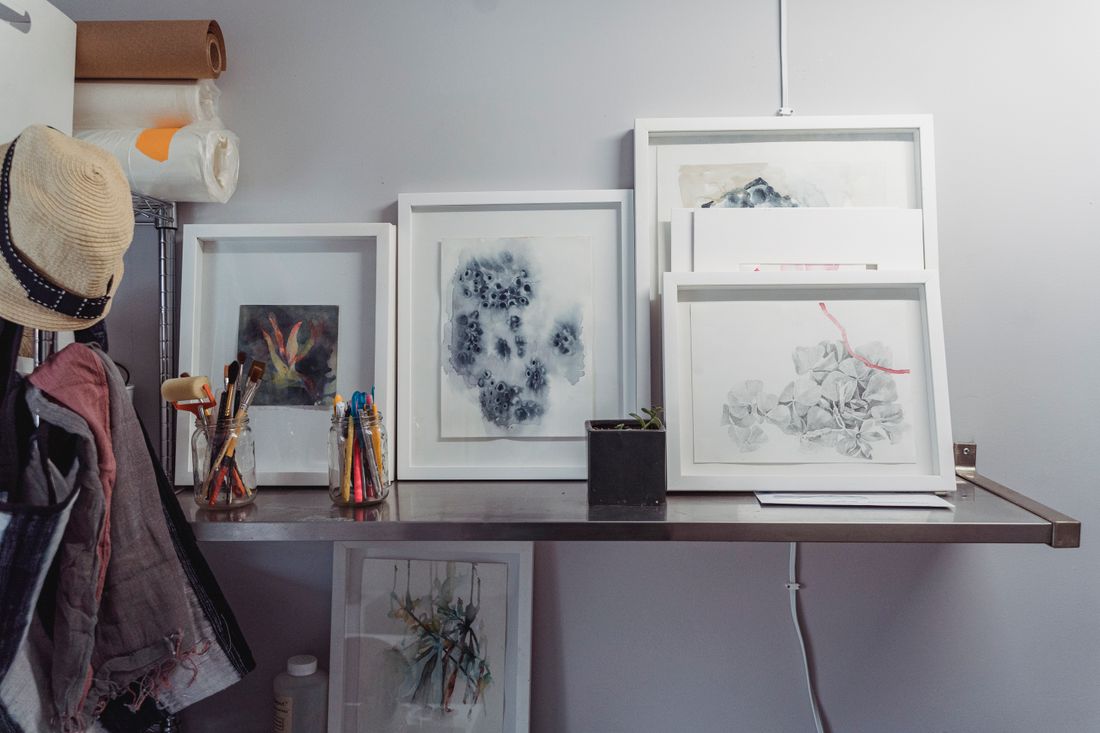
A storage facility typically has no usable natural light at all, so the entire shoot depends on a fully self-contained lighting kit: multiple continuous or strobe sources, stands and modifiers to shape them evenly, backup bulbs or heads, and enough cable and power distribution to run everything from whatever outlets the room actually has. Nothing about the lighting can be assumed or improvised on site.
Storage rooms are built to protect work from light exposure, which means windows are minimal or absent by design, and the fixed overhead lighting is usually generic and uneven, not built for even coverage across a flat surface. That rules out the natural-light fallback a studio or gallery visit sometimes allows on a good day. Every light source the shoot needs has to travel in with the crew, along with enough backup to cover a bulb or head failing partway through a long pull list.
Power is the other half of the problem. Facilities weren't built with a photography setup's draw in mind, so confirming outlet locations and available circuits ahead of time avoids tripping a breaker mid-shoot or running cable across a path staff need clear for equipment. A generator or extra extension cable sometimes has to join the kit if the available power is limited or far from the shooting area. None of this is unusual for the crew, but it has to be planned for specifically, since a facility with no natural light and unpredictable power leaves no room to solve either problem on the fly.
How Does Retrieval and Re-Shelving Actually Work?
Retrieval means pulling each piece from a rack, crate, or storage bin without damaging it or anything stored around it, then returning it to the same spot when the shoot is done. That process usually falls to facility staff who know the storage system, and it takes real time per piece, which is why the number of works being pulled has to be planned into the schedule rather than treated as incidental.
Crated work adds another layer, since uncrating and re-crating each piece is its own task separate from the actual photography. A painting resting in open racking might come out in a minute; a crated piece can take considerably longer to open carefully, inspect, shoot, and seal back up. Racked or stacked storage has its own handling logic too, pulling one piece sometimes means carefully shifting others out of the way first, which isn't something the crew can safely do without facility staff directing the process.
This is also where the shoot's pace gets set by something outside the camera entirely. A facility with a large collection often needs pieces pulled in batches rather than all at once, both for space in the shooting area and for the staff time retrieval and re-shelving require. Planning the day around a realistic per-piece retrieval time, agreed with the facility beforehand, keeps the shot count honest instead of optimistic, and keeps the last few pieces on the list from getting rushed because retrieval quietly ate more of the day than anyone accounted for.
What Condition Issues Show Up on Work That's Been Sitting for Years?
Work that's been sitting untouched in storage for years often comes out with dust on the surface or frame, packing material residue where padding or wrapping touched the piece, and sometimes visible effects of humidity even in a climate-controlled space, like slight warping in wood panels or paper. None of this is a signal something went wrong. It's simply what happens to objects that haven't been handled or inspected in a long time.
Before any of that gets photographed, it needs a quick look and, where appropriate, a careful surface clean. A light dusting or a gentle wipe with the right material makes a real difference in how the piece reads in a photograph, since dust and residue show up clearly under even lighting in a way they don't always register to the eye. This isn't restoration work, and it isn't the crew's place to attempt anything beyond surface-level care. It's closer to making sure the documentation reflects the actual condition of the piece rather than years of undisturbed storage.
This step also protects the record itself. If the point of the shoot is a current, accurate condition record, photographing a piece exactly as it emerged from storage, dust and all, is sometimes the more honest choice than cleaning it first. Whoever is coordinating the shoot should decide in advance whether the goal is documenting current condition as found, or a cleaned presentation shot, since those are two different outcomes and the facility visit usually isn't the moment to figure out which one is wanted.
How Do You Stage a Shooting Area Inside a Space Not Built for Photography?
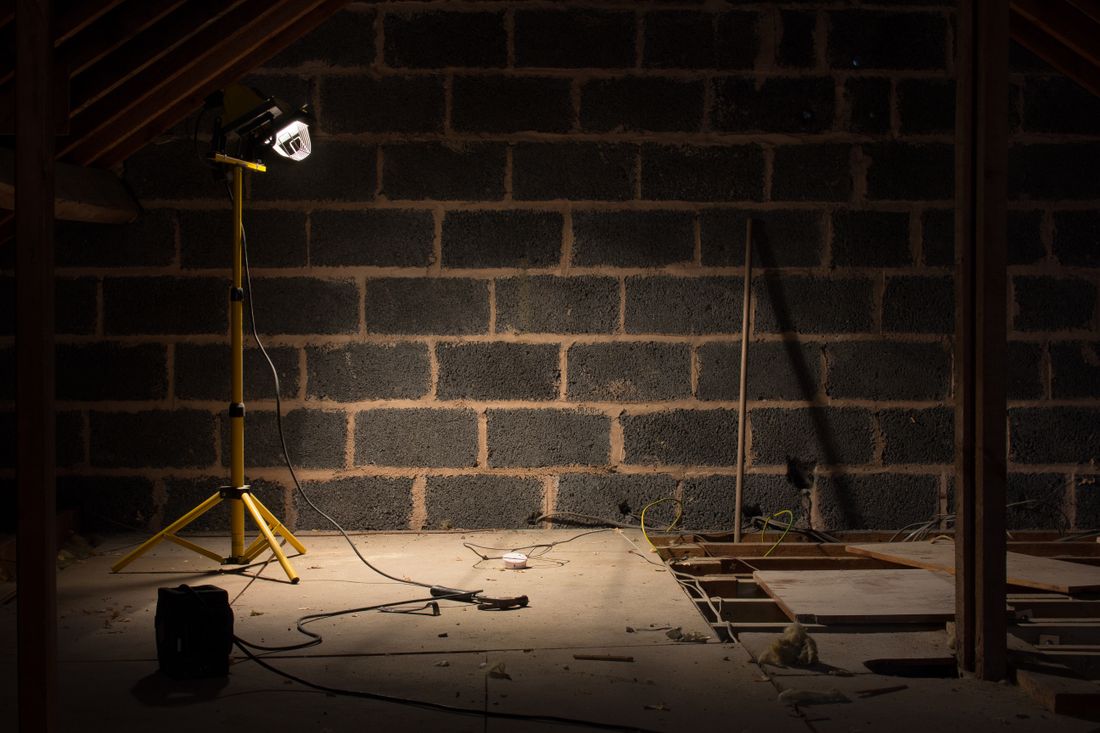
Staging a shooting area inside a storage facility usually means claiming a hallway, loading dock, shared workroom, or open floor space near the racking, then building a temporary setup around whatever that space actually offers. Facilities aren't built with a photography bay in mind, so the crew brings a portable backdrop or neutral wall setup, lighting stands, and enough clearance to work safely, rather than expecting a ready-made studio space.
The biggest constraint is usually floor space and traffic. A loading dock or corridor still needs to function for facility staff moving other work around, so the shooting area has to be set up in a way that doesn't block the paths people and equipment actually use. That often means a smaller working footprint than a studio would allow, which shapes what size pieces can be photographed comfortably and how much room there is to step back for a full-frame shot on a larger canvas.
Surfaces matter too. A concrete floor, industrial shelving in the background, or fluorescent overhead fixtures aren't things a studio backdrop needs to work around, but a facility space usually has all three. A portable backdrop stand and enough fabric or board to create a clean, neutral background keeps the final images consistent with what a studio or gallery shoot would produce, even though the room around it looks nothing like either one. Setting this up efficiently, and breaking it down just as efficiently, is part of what makes a facility shoot work within a limited booking window.
What Should You Confirm With the Facility Before the Shoot Day?
Before the shoot day, confirm available space for a temporary setup, power access near where that setup will go, and the facility's rules around insurance, liability, and who's allowed on site. These three categories cover most of what actually stalls a facility shoot when they're discovered on arrival instead of settled in advance.
Space and power are physical questions with physical answers: is there a corridor, dock, or room with enough clearance for a backdrop and lighting stands, and are there working outlets close enough that cable runs don't cross a path staff need clear. Insurance and access rules are procedural, and facilities vary widely here. Some require proof of insurance from anyone bringing equipment on site, some require every visitor to be on an approved list submitted in advance, and some limit how many people can be present at once. None of these are things to discover at the door.
It's also worth confirming who has the authority to approve retrieval decisions in the moment, since a facility staff member may need sign-off before pulling certain pieces, especially anything crated or flagged as high value. Settling all of this with the facility beforehand, ideally in writing, turns the shoot day into a matter of executing a plan rather than negotiating access in real time while a fixed booking window quietly runs out, with no second window available if the day falls short.
How Do You Sequence a Storage Shoot So the Day Doesn't Stall?
Sequencing a storage shoot means grouping pieces by location in the facility and by size before the crew ever picks up a camera, so retrieval, shooting, and re-shelving happen in batches instead of one piece at a time across the whole building. That single planning step is usually what keeps a fixed booking window from running out before the list is finished.
Pulling one piece, shooting it, returning it, then walking to another part of the facility for the next one wastes real time across a full day's list. Grouping by rack, aisle, or storage room means several pieces get pulled and returned in one trip instead of many, and grouping by size keeps the shooting setup from being reconfigured constantly for pieces that need different working distances. A rough pull list, agreed with facility staff before the day starts, is what makes this batching possible instead of aspirational.
The order also matters for staff availability and light-sensitive material. If only one staff member is available for retrieval during part of the day, the pieces requiring the most handling should cluster around when that person is present. And if any works are especially light- or humidity-sensitive, minimizing their time outside controlled storage means shooting them promptly rather than leaving them staged in the temporary area while other pieces get photographed first. None of this is complicated on its own. It just has to be decided before the day starts, not worked out piece by piece once the clock is already running.
Frequently asked questions
Do you need to bring your own lighting to a storage facility shoot?
Yes. Storage and off-site facilities are built to keep light exposure to a minimum, so there's rarely any usable natural or ambient light to work with. The shoot depends entirely on a self-contained kit: multiple light sources, stands, modifiers, backup bulbs or heads, and enough cable to run from whatever power the room actually has. Confirming outlet locations and available circuits with the facility beforehand avoids power problems on the day itself.
How much extra time should a facility shoot budget for retrieval?
More than a studio session, because each piece has to be pulled from a rack or crate by facility staff, inspected, photographed, then carefully returned to its original spot. Crated work takes longer than open racking, since uncrating and re-crating is a separate task from the photography itself. Building a realistic per-piece retrieval estimate into the schedule, based on how the collection is actually stored, keeps the shot list honest instead of optimistic.
Does a facility require a staff escort during the shoot?
Many do, and it's usually a condition of the facility's security policies rather than something either side can opt out of. A staff member present for retrieval and re-shelving also means the crew isn't moving through the space at its own pace. That person's schedule becomes part of the shoot's timeline, so confirming escort requirements and availability ahead of time is part of planning the day realistically.
What condition issues should you expect on artwork coming out of long-term storage?
Dust on the surface or frame, packing material residue where padding touched the piece, and sometimes mild effects of humidity, like slight warping in wood or paper, even in a climate-controlled space. None of this signals a problem. It's simply what happens to objects untouched for years. A light surface check, and where appropriate a gentle clean, usually happens before the piece is photographed, unless the goal is documenting exact as-found condition.
Can a facility's own space double as the photography setup, or does it need staging?
It needs staging. Storage facilities are built for handling and preservation, not photography, so the crew typically claims a hallway, loading dock, or open floor area and builds a temporary setup around it: a portable backdrop, lighting stands, and enough clearance to work safely without blocking paths staff still need. The result looks consistent with a studio shoot, even though the space around it looks nothing like one.
Make sure your archive means something when someone asks for proof.
We photograph the work the way an insurer or gallery registrar wants it documented, straight views, correct color, and condition callouts you can actually point to later.
Explore artwork documentation →