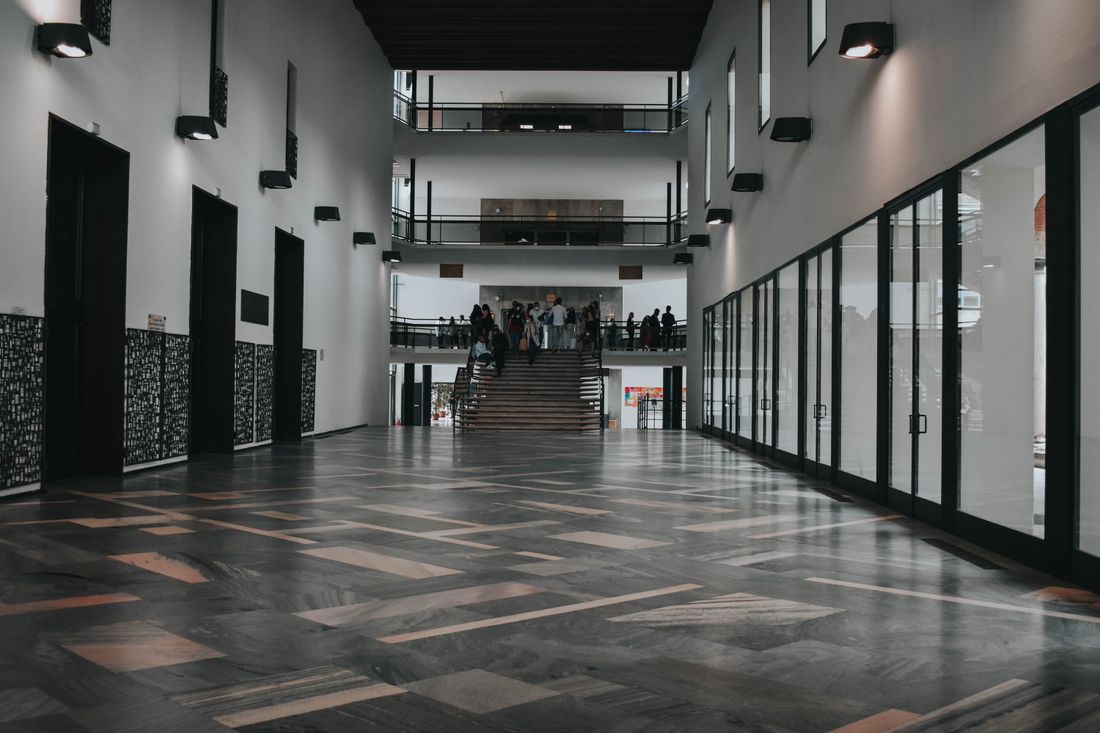
A gallery's patrons night is one room and one guest list for a few hours. A museum's members preview is that same idea multiplied by tiers, timed entry, docent schedules, a press embargo that might still be live, and a development office already thinking about next year's renewal numbers. None of that shows up in a gallery-scale shot list, and treating a museum preview like a bigger version of the same night is where the coverage plan starts to fall apart.
A museum's members preview differs from a gallery's patrons night in scale and stakes: it runs on membership tiers, badge-checked entry, timed capacity, docent-led programming, a press embargo that may still be active, and a development office measuring the evening's renewal value. Those variables reshape the shot list, staffing, and consent plan well beyond gallery scale.
What actually makes a museum's members preview different from a gallery's patrons night?
A museum's members preview runs on infrastructure a gallery's patrons night never has to account for: multiple membership tiers, badge-checked entry, timed capacity, docent-led programming, a press embargo that may still be active, and a development office that needs the evening to prove renewal value. Each of those variables reshapes the coverage plan on its own, and none of them scale down neatly from gallery experience.
A gallery's patrons night is usually one room, one guest list, and one photo story: people looking engaged around the work, a few candid conversations, done. A museum's members preview is several evenings' worth of planning compressed into one, because the institution is running more than a party. It's protecting a press embargo that may not have lifted yet, giving its highest-tier donors a different experience than its general members, briefing docents who are leading small groups through galleries that are also full of everyone else, and asking a photography team to document all of it cleanly enough to hand to three different departments the next morning.
None of that is a reason to overbuild the coverage plan. It's a reason to understand, before the evening starts, which of these variables actually apply to this particular preview and which don't. A museum with two tiers and no embargo has a simpler night than one running four tiers against a live press hold. What follows works through each variable in turn, starting with the one that reshapes the shot list the most: tiering.
How do membership tiers reshape the shot list?
Membership tiers usually mean more than one evening, and the top tier gets a different one: a smaller, quieter preview with more staff attention, sometimes ahead of the broader members' night. That tier also expects to see itself represented afterward, not folded anonymously into a general crowd shot, which changes what the shot list has to prioritize at that specific event.
A general members preview can lean on the same coverage a gallery patrons night uses: wide room shots, candid looking-at-art moments, a few genuine conversations. A top-tier evening needs more individual attention built into the plan, because the honest expectation from that group is recognizable, well-lit coverage of themselves at the museum, not just proof the museum threw a nice event. That doesn't mean posed grip-and-grins at the door. It means planning enough time and proximity to get people clearly and flatteringly, often near a specific gallery or a specific piece, rather than as background texture in a wider frame.
The practical fix is treating tiers as separate assignments inside one contract, not one shot list stretched across two rooms. We ask upfront how many tiers are being photographed, whether they're on the same night or split across two, and what each tier's communications team actually plans to do with the images, since a small print for a thank-you note reads differently than a wide crowd shot for the annual report. Building that distinction into the plan before the night starts keeps a multi-tier evening from collapsing into one generic shot list that under-serves the group actually paying for the option.
How does coverage change when three hundred people move through in ninety minutes?
Three hundred guests moving through galleries in ninety minutes is a crowd-management problem before it's a photography one: the coverage has to work in pulses that match how people actually move through timed entry, rather than trying to be everywhere in a room that never holds still long enough for a considered frame.
A gallery patrons night usually tops out at a hundred people in one open space for two or three hours, which gives a photographer time to circulate, wait for a moment, and come back to it. A museum preview at that scale is closer to festival crowd flow: people arrive in timed waves, move through several galleries on their own paths, and thin out again as the next wave enters. Chasing individual moments across that much square footage in that little time produces a scattered, exhausted set. Working with the flow, positioning at chokepoints, stairwells, the transition between galleries, the bar, produces a more complete one.
The honest solution is more than one shooter once genuine scale is involved, positioned at different points in the flow rather than following each other around the same room. One photographer covering three hundred people across multiple galleries in ninety minutes will miss most of the building by the time the room they started in has already turned over. That staffing conversation belongs in the planning call, not discovered on the night when the first wave has already moved through two galleries nobody photographed yet.
Why do the galleries need to be photographed before the crowd arrives?
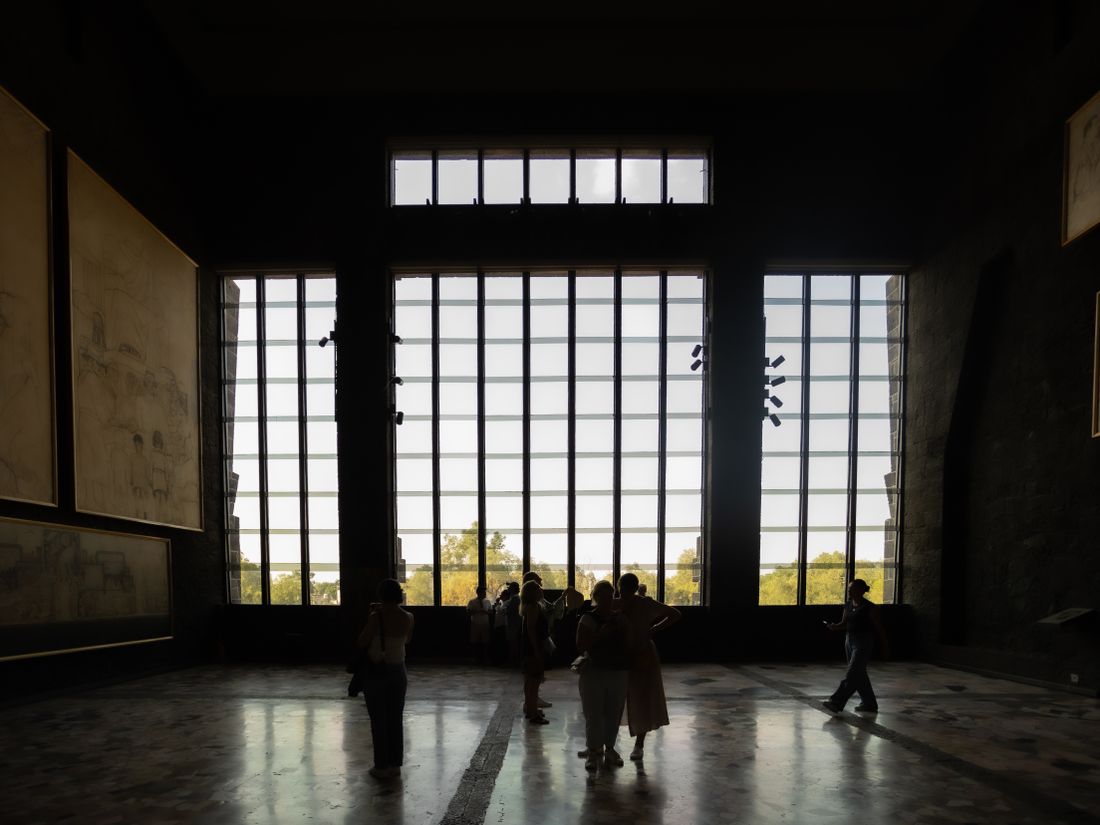
The galleries need clean, empty-room documentation before doors open because that's the only window when the installation itself is fully visible: once guests arrive, sightlines fill with people, and the museum loses its only chance at photographs that show the show, not just the party happening in front of it.
This isn't a substitute for event coverage, it's a separate deliverable the crowd shots can't produce. A members preview photographed only once people are inside will have plenty of images of people enjoying the galleries and almost none that show what's actually on the walls at full scale, evenly lit, without a shoulder or a glass in frame. Those clean gallery shots are what a press kit, a members' magazine spread, or next year's exhibition archive actually needs, and they only exist if someone is in the building before the doors open, not squeezed in between guests during the event.
We treat the pre-doors window as its own short call time, separate from the event coverage, even when it's the same team working both. A half hour walking the galleries with the lights at their final evening state, before the first guest arrives, produces images that get reused for a year: on the website, in board materials, in the next grant application. Skipping that window to save an hour of labor is the single most common way a members preview ends up with strong crowd photography and nothing usable of the show itself.
How do we work around docent talks and timed entry without becoming an obstacle?
Docent-led groups and timed entry both create small, moving pockets of people with their own pace and their own sightlines, and the coverage has to work around them rather than through them, staying far enough back that a camera never becomes the reason a group loses its docent's voice or blocks the next timed wave from entering.
A docent talk is usually the actual educational content of the evening, not a photo opportunity to interrupt. We get the schedule of talks in advance and treat each one like a small, contained shoot: arrive a minute early to find a position that doesn't cross the group's sightline to the docent or the work, get what's needed quietly, and leave before the group notices there was ever a photographer there. The same discipline applies to timed-entry pinch points, doorways, elevators, coat check, where a photographer working a slow, deliberate angle can genuinely back up a line a security team is trying to keep moving.
The general rule that keeps this from becoming friction with museum staff: ask before the night which moments are protected, a specific talk, a specific transition, and build the shot list around those constraints instead of discovering them mid-event from a docent's raised hand. A photography team that already knows the choreography reads as part of the evening's staff, not as one more thing security has to manage.
What happens when a press embargo is still running during the members preview?
A members preview sometimes happens before an exhibition's press embargo lifts, which means some of what's on the walls can't appear in public-facing images yet, and the photography plan needs to know which pieces are embargoed, until when, and who on the museum's communications team wants to clear every image before anything gets used.
This is a communications-team decision, not a photography one, and it needs to be settled before the shoot, not negotiated afterward over a single social post someone already scheduled. We ask directly: is there an embargo on this show, does it cover specific works or the whole installation, and does it lift before or after tonight's date. If a piece can't be shown yet, the safest move is avoiding tight, identifiable shots of that work entirely rather than shooting it and hoping editing can crop around the problem later. A wide gallery view with an embargoed piece visible in the background is still a leak.
The upside of asking early is that it usually simplifies the shot list rather than complicating it: crowd shots, portraits, and reception moments are almost never embargo-sensitive, so the restriction narrows to a specific handful of frames rather than the whole evening. What we avoid is guessing. An embargo mistake becomes the museum's problem with a lending institution or an artist's own announcement plans, not a minor photography note, so the plan defaults to checking with communications rather than assuming a members-only room means anything goes.
What does consent and identifiability actually mean at a members event?
Members expect a different level of exposure than guests at a public opening, because they paid for a private evening, not a marketing shoot, and identifiable photos of them can end up in materials, annual reports, renewal appeals, social posts, well beyond what a casual guest at a public event would assume when they walked in.
A public gallery opening is understood, culturally, as a photographed event; anyone walking in expects to end up in someone's frame. A members preview sits in a greyer zone, because the whole appeal of the tier is a measure of privacy and access, not visibility. That doesn't mean no photography, it means being upfront with the institution about how sign-in and consent get handled, whether that's signage at check-in, a line on the invitation, or a simple opt-out process for anyone who'd rather not be identifiable in materials distributed outside the museum's own archive.
In practice, we shoot generously and let the museum's communications team make the identifiability call during selects, rather than trying to pre-judge who wants to be seen. Wider, candid, engaged-with-the-art frames tend to be safer defaults than tight portraits for anyone whose consent status is unclear. And when a donor or board member specifically asks not to be photographed, that request travels with the shot list for the rest of the evening, not just the moment it was made. Consent handled loosely at a members event becomes a trust problem with exactly the donors the evening was meant to cultivate.
What does the development office ask for a week later?
A week after the preview, development usually asks for proof the evening worked: images that show genuine turnout and engagement across tiers, something usable for the renewal appeal going out before next year's membership cycle, and enough variety that the same three photos don't appear in every piece of materials for the next twelve months.
The renewal drive is the real reason a lot of members previews get photographed at all, and development's needs are different from what looked good in the moment. They want a defensible turnout story: full galleries, a range of ages and tiers represented, board members and staff visibly present, not just a few flattering portraits of the biggest donors. They also want images they can crop for a newsletter, a save-the-date, and a thank-you note without going back to the photographer for a second pass, which means delivering a genuinely varied select, not just the ten strongest frames from one photographer's favorite hour.
The useful habit is asking development, before the night, what the images actually need to prove, turnout, tier diversity, a specific gallery's energy, and building that into the shot list alongside the docent schedule and the embargo list. A gallery patrons night rarely has this conversation, because the stakes of one soft turnout aren't tied to next year's renewal numbers. A museum's development office is already planning a year ahead from the moment the preview ends, and the photography plan works better when it knows that going in.
Frequently asked questions
Does a museum's members preview need more photographers than a gallery's patrons night?
Usually, yes, once genuine scale is involved. A gallery patrons night often works with one photographer circulating a single room for a few hours. A museum preview moving several hundred guests through multiple galleries in a tight window needs coverage positioned at different points in that flow, entry, key galleries, reception areas, so no single shooter is chasing the whole building alone. The right number depends on guest count, gallery footprint, and how many tiers are being documented separately.
How should photography handle a members preview with a live press embargo?
Ask the museum's communications team directly which works, if any, are still embargoed and until when, before planning any shots. Crowd, portrait, and reception images are rarely embargo-sensitive, so the restriction usually narrows to specific pieces rather than the whole evening. The safest approach avoids tight, identifiable shots of embargoed work entirely, including in the background of wider frames, rather than shooting first and editing around the problem afterward.
Do top-tier members need different photography than general members at the same preview?
Often, yes. Top-tier members frequently attend a separate, smaller evening and expect recognizable coverage of themselves at the museum, not just proof the event happened. General members previews can lean more on wide room shots and candid moments. Planning each tier as its own small assignment, with its own priorities, keeps a multi-tier evening from defaulting to one generic shot list that underserves the group with the highest expectations.
What should a museum ask a photographer to deliver for the development office?
Ask for a varied, defensible turnout set: full galleries, a range of ages and tiers represented, board and staff visibly present, not only a handful of donor portraits. Development typically needs images that crop cleanly for a renewal appeal, a newsletter, and a thank-you note without a second photo request. Naming these uses before the event, alongside the docent schedule and any embargo list, produces a select that actually serves the renewal drive.
How does consent work when photographing members who expect privacy at the event?
Be upfront about photography before the evening starts, through signage at check-in, a line on the invitation, or a simple opt-out option, since members pay for a private evening rather than a marketing shoot. Favor wider, candid, engaged frames over tight portraits when a guest's consent status is unclear, and let the museum's own communications team make identifiability calls during selects rather than guessing on site.
Two openings on the same night doesn't have to mean a scramble.
We plan around clustered opening nights ahead of time, a split schedule, a second shooter, or booking early enough that the calendar stops being the risk.
Explore event coverage →