
A gallery's feed sells the work. A nonprofit's feed has to prove a mission to people who may never buy anything, which means the same-looking image is doing a completely different job. The instinct is to borrow a gallery's playbook: clean shots of finished work, an occasional install view, a steady rhythm of posts. In practice, that playbook is built for a different transaction. A gallery only has to convince someone to want the object in front of them. A nonprofit has to convince a much wider set of people, donors, participants, artists, a board, that the mission behind the object is worth their continued attention, their membership, or their check. Getting that right changes who belongs in the frame, what consent actually requires, how a year of coverage gets planned around a season and a campaign instead of a show calendar, and what the feed owes an artist it is supporting rather than selling.
A gallery's feed asks a stranger to buy a piece of art. A nonprofit's feed is asking for a donation, a membership, an application, or attendance instead, from donors, participants, artists, and a board at once, which changes who belongs in the frame, what consent requires, and how a year of coverage gets planned.
What Is a Nonprofit's Feed Actually Asking For, If Not a Sale?
A gallery's feed asks a stranger to buy a piece of art, one specific object, one price, one collector. A nonprofit's feed is asking for something less transactional: a donation, a membership renewal, a program application, a volunteer signup, or simply a body in a seat on a Thursday night.
That difference changes what a single post is supposed to accomplish. A gallery post can succeed by showing one image well enough that someone reaches for a wallet. A nonprofit post rarely closes anything by itself. It moves someone one step closer to an ask made somewhere else later, an email, a gala table, a membership form. The photo's job is building enough trust that the ask, when it comes, lands on someone who already feels like they know the organization.
This is also why copying a gallery's visual approach produces a feed that feels thin. A gallery can post the same kind of image, art on a wall, week after week, because a sale is always available to whoever happens to be ready. A nonprofit posting only finished work or event photos runs out of reasons to keep watching, since no purchase decision waits at the end of the scroll. The feed has to justify itself on mission grounds instead.
Naming the actual ask before planning a shoot, awareness, donation, membership, attendance, is worth doing out loud, because it decides who belongs in the frame and how a caption should close, decisions a gallery's playbook was never built to make.
Why Do the People in the Room Matter More Than the Work on the Wall?
For a nonprofit, the people in a program, students, teaching artists, volunteers, audience members, matter more to the feed than the art on the wall, because they are the visible proof that the mission is real. A shot list built only around finished work misses the evidence a donor or a funder actually needs to see.
A gallery's shot list can stay narrow because the object does the persuading on its own: good light, a clean wall, a few angles, done. A nonprofit's shot list has to include the room, hands mid-project, a teaching artist leaning in to explain something, a line of people waiting to get inside. None of that is decoration around the real content. For this kind of feed, it is the content.
That shifts what a photographer needs to plan for on a coverage day. Instead of one clean pass through finished work under even light, the useful frames often come from parts of a program that feel unremarkable while they're happening, a workshop mid-session, a rehearsal, a quiet conversation near the door. Those moments are harder to schedule than a still-life of a finished piece, which is exactly why they get skipped when a nonprofit borrows a gallery's habits instead of building its own.
A practical shift is planning coverage around when people are present and doing something, not around when the work is finished and the room is empty, since an empty room with beautiful work in it proves the opposite of what this kind of feed is supposed to prove.
What Does Consent Actually Require When Minors or Vulnerable Participants Are Present?
Any program involving minors, students, or otherwise vulnerable participants needs a documented photo-permission process before a camera comes out: a signed release on file, a known opt-out list, and a shot list that avoids identifying detail for anyone who isn't cleared to appear. Skipping this turns a well-meant post into a real risk, not an editorial slip.
This is not a legal opinion, and an organization's own counsel or compliance lead should set the actual policy. What belongs on the production side is simpler: know before the shoot who is cleared to be photographed, who is opt-out only, and who needs to be excluded entirely, and build the day's shot list around that list rather than sorting it out afterward in an editing program. Consent status can shift program to program, so it should be confirmed fresh, not assumed from a prior visit.
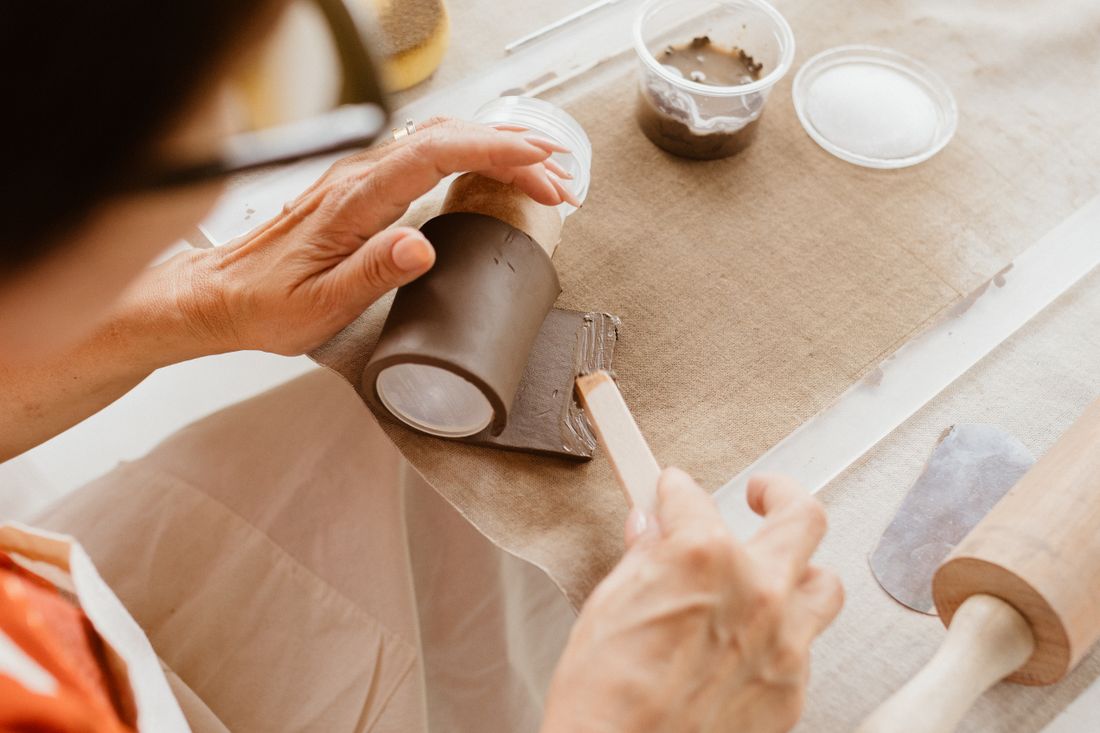
In practice, this often means favoring wider shots of a room over tight, identifiable faces when a participant list hasn't been confirmed, angles that show hands and materials rather than a face turned toward the lens, or letting adults, staff, and teaching artists carry scenes from a program that also serves minors. None of that has to look clinical. A room full of activity, seen from a respectful distance, still reads as real coverage.
The reward for doing this correctly is a library of usable images instead of a library the organization is afraid to post, which matters more over a year of monthly coverage than any single strong frame from one session.
How Do You Prove Impact Without Turning People Into a Fundraising Prop?
Proving impact without turning participants into a fundraising prop means showing people doing something, making, learning, rehearsing, rather than showing them as evidence of a problem the organization solved. The difference is agency: an image of someone mid-process reads as participation, while an image built around before-and-after framing reads as a case made about them instead of with them.
Arts nonprofits are especially exposed to this because their work often sits next to genuinely difficult subject matter, under-resourced schools, underserved neighborhoods, participants facing real hardship outside the program. It's tempting to lean on that context to make the case for support feel more urgent. In practice, that framing tends to flatten a specific person into a symbol of need, which is uncomfortable for the participant and thin as storytelling besides.
A more durable approach treats the work itself as the evidence. A student explaining a technique, a finished piece next to the process that made it, a rehearsal that shows real skill being built, all of that demonstrates a program is working without asking anyone to perform their own hardship for the camera. It also tends to age better; a photo of someone doing good work still means something years later, while a photo staged around someone's circumstances usually doesn't.
The practical test before a photo goes out is simple: does this image show what the person can do, or does it show what they lack. The feed should be able to answer that question honestly for nearly everything it posts.
How Does One Feed Serve Donors, Participants, Artists, and a Board at Once?
A single nonprofit feed has to serve donors, program participants, exhibiting artists, and a board at once, and each audience reads the same post for a different reason. A donor wants proof the mission works. A participant or artist wants to see themselves represented fairly. A board member is watching for whether the organization looks stable and well run.
A gallery doesn't carry this problem in the same way. Its audience is narrower and mostly wants one thing, to see the work clearly enough to consider buying it. A nonprofit feed that tries to satisfy only one of its audiences, all donor-facing polish, or all participant photos with no institutional framing, ends up feeling incomplete to everyone else watching.
In practice, this means a single month of coverage should rarely lean entirely one direction. A stretch of posts that only shows finished galas and check presentations reads as donor content with nothing for participants or artists to recognize themselves in. A stretch that only shows program moments, without ever connecting them back to the organization's broader work, gives a board or a major donor little sense of scale or direction.
Planning coverage with all four audiences named in advance, even loosely, tends to produce a feed that rotates naturally between them instead of drifting toward whichever audience is easiest to photograph that month, usually participants, because they're the most available and photogenic group on any given day.
What Annual Rhythm Should Monthly Coverage Actually Follow?
Unlike a gallery, which mostly follows a rolling calendar of exhibitions, a nonprofit runs on an annual rhythm built around a program season, a fundraising campaign, a gala or benefit, and an annual report, and monthly coverage has to be planned against that shape in advance rather than shot reactively month to month.
Each part of that rhythm needs different material well before it's due. A fall or spring campaign needs recent, usable images of the actual work weeks before the ask goes out, not scrambled together the week of. A gala or benefit needs both the event itself and, ideally, material from earlier in the year that makes the case for support in the room. An annual report needs a full year's range, not just the most recent quarter, which only exists if coverage was spread out rather than clustered around one or two big moments.
Mapping the year before booking any single month of coverage is what keeps this from becoming a scramble. A rough calendar, program season here, campaign there, gala on this date, report due by this month, tells a photographer what needs to already exist by each deadline, and works backward from there to figure out which months carry the heaviest coverage load.
A gallery can improvise its content calendar around whatever show is currently up. A nonprofit that tries to do the same usually finds itself missing exactly the image it needed most, right when a report or a campaign deadline arrives.
What Does the Feed Owe an Artist the Organization Supports Rather Than Sells?
When an organization supports an artist rather than sells their work, the feed owes accurate credit, fair and consistent visibility, and material the artist can actually use for their own career, not just posts that serve the organization's calendar. A gallery represents an artist commercially; a nonprofit's relationship is closer to patronage, and the feed should reflect that difference.
In practice, this means checking that an artist's name and role are represented the way they'd want, rather than folded anonymously into "our teaching artists" or "program participants" when they'd rather be named and credited individually. It also means not treating an artist's image or process as raw content to be used only when the organization needs something to post, without regard for whether that timing helps or competes with the artist's own show, opening, or announcement.
A useful habit is asking, early in the relationship, what the artist wants from being photographed at all: exposure, usable portraits, documentation of a specific project, or simply accurate representation without a heavier promotional lean. Those are different requests, and a feed that treats every artist relationship the same way tends to under-deliver on all of them.
None of this requires slowing down regular coverage. It mostly requires treating the artist as someone the feed has an obligation toward, not just as a source of good-looking content, a distinction that matters more over a long-running relationship than on any single post.
What Should a Monthly Retainer Actually Be Capturing Across a Year?
A monthly retainer for an arts nonprofit should capture a running mix across the year, program and participant coverage, artist and process material, event and gala moments, and a handful of institutional images, so an annual report and a fall campaign can be built from real, already-existing coverage instead of a scramble for whatever happens to be on hand.
What drives the volume in a given month should follow the annual rhythm rather than a fixed shot count. A month that includes a program's peak session or a public event naturally needs more coverage than a quiet administrative month, and a retainer built around a flat number of images per visit tends to either overshoot in slow months or fall short exactly when a campaign or report needs the most.
Banking coverage steadily also solves a problem that shows up every year around report and campaign season: an organization realizing it has plenty of photos from the gala and almost nothing from the months of actual program work that the gala exists to fund. A report built entirely from one night's photos reads as thin no matter how well that night was shot, because it can't show the year the report is actually describing.
The practical planning question for any given month isn't "what should we shoot this time," but "what does the report or the next campaign still need that this month can provide," which turns a retainer into a running archive instead of a series of disconnected, one-off visits.
Frequently asked questions
How is a nonprofit's social feed different from a gallery's if they're posting similar-looking photos?
The images can look alike, but the feed is asking for different things. A gallery post asks someone to consider buying a specific piece. A nonprofit post is usually building toward a donation, a membership, a program application, or simple attendance, an ask that gets made somewhere else, later, in an email or at an event. That difference should shape who ends up in the photo, not just how the caption gets written underneath it.
Do we need signed photo releases for everyone who appears in nonprofit program photos?
That's a policy question for the organization's own staff or counsel to set, not a production decision. What a coverage day needs is a confirmed list before the camera comes out: who is cleared to appear, who is opt-out, and who should be excluded entirely. That list should be checked fresh at the start of each session rather than assumed from an earlier visit, since consent status can change between sessions without anyone remembering to flag it.
How do you show impact without making participants look like they're being used to ask for money?
Favor images of people doing something, making, learning, rehearsing, over images built around hardship or before-and-after framing. A person mid-process reads as participation. A person framed mainly as evidence of a problem reads as a case being made about them rather than with them. The work itself, shown clearly and without staging, usually makes a stronger and more durable case than any appeal to someone's personal circumstance.
Should a nonprofit plan its social content around its fiscal or program calendar?
Yes. A gallery can post reactively around whichever show is currently up, but a nonprofit runs on a rhythm of program season, campaign, gala, and annual report, each with its own deadline for having usable material ready. Mapping that calendar before booking any coverage is what keeps a report or campaign from being assembled out of whatever images happen to already exist, rather than what the moment actually needed.
What does a nonprofit's feed owe an artist it supports but doesn't represent commercially?
Accurate, consistent credit, and material the artist can genuinely use for their own career, not just content pulled whenever the organization's calendar happens to need a post. Because the relationship is closer to patronage than commercial representation, it's worth asking early what the artist actually wants from being photographed, exposure, usable portraits, or simple accurate visibility, since that answer varies and should shape how the coverage gets planned.
The weeks between openings need content too.
We help galleries fill the quiet stretches with real material, pulled from the archive, planned ahead, and honest about what's actually happening that month.
Explore monthly media →