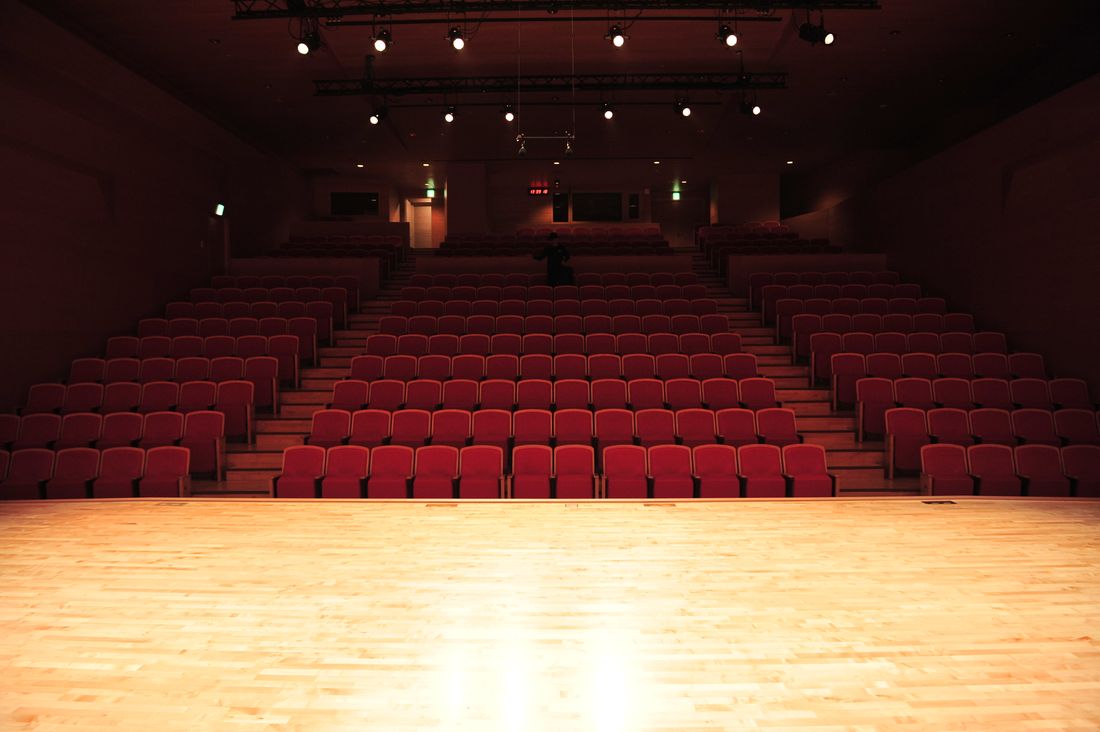
An arts award ceremony hands its most important image to a handshake that lasts about four seconds, with no pause button and no second take. We plan positioning, timing, and winner-list coordination around that one window, category by category, so the photo an organization actually needs does not depend on luck.
The moment that matters at an arts award ceremony, the handshake and plaque handoff, lasts about four seconds with no retake possible. Reliable coverage comes from planning camera position, reading the run of show, and coordinating with organizers before the first name is called, not from reacting once it starts.
What makes award-night coverage a one-take problem
An arts award ceremony compresses its most important image into a single handshake, plaque handoff, and round of applause, all lasting about four seconds. There is no pause and no retake. If the camera is not positioned and ready before the presenter says the name, the moment is gone and does not come back.
Most event photography allows some slack. A candid at the bar can be caught a minute later, and a portrait during cocktail hour can be reshot if someone blinks. An award announcement does not work that way. The winner walks up once, the plaque or trophy changes hands once, and the room claps once before everyone's attention moves to the next category or the after-party.
We treat the ceremony segment of the night differently from the reception segment for exactly this reason. Reception coverage rewards patience and wandering. Ceremony coverage rewards preparation done well before the first name is read: knowing where the light falls, where the presenter will stand, and which side of the stage the handshake will actually happen on.
This is why we treat the run of show like a shot list instead of a suggestion. A ceremony with six categories has six of these four-second windows scattered across two hours of remarks, dinner service, and mingling. Missing one is not a minor gap. For an arts organization, that image is often the one used in the annual report, the grant application, or next year's invitation, which raises the cost of a miss well past the moment itself.
Coordinating with organizers on the winner list before doors open
Coverage gets more reliable when we see the run of show and, where organizers are willing to share it, the winner list before the event starts. Knowing who is winning and in what order lets us plan camera position around each name instead of guessing which direction the room will turn. Not every organizer shares this, and that is fine too.
Some awards nights keep the winners under wrap until the envelope opens, and we plan for that version just as often as the version where the list is settled in advance. The useful conversation with an organizer is not really about spoiling the outcome. It is about the mechanics: category count, whether winners are seated in the room or arriving separately, and whether remarks run before or after each handoff.
When a list is available, we mark it against the room layout ahead of time. A winner seated at table twelve on the far side of the room needs a different camera position than a winner already staged in the wings. That single planning step removes most of the guessing that turns a four-second moment into a missed one.
When a list is not available, we lean harder on the presenter and the run of show. Presenters almost always glance toward the winner's table before saying the name, which gives a beat of warning if we are watching the room instead of only watching the stage. That habit, watching the presenter's eyeline rather than waiting for the name, recovers a lot of the advantage a printed list would have given us.
Where to stand for the handshake without blocking the room
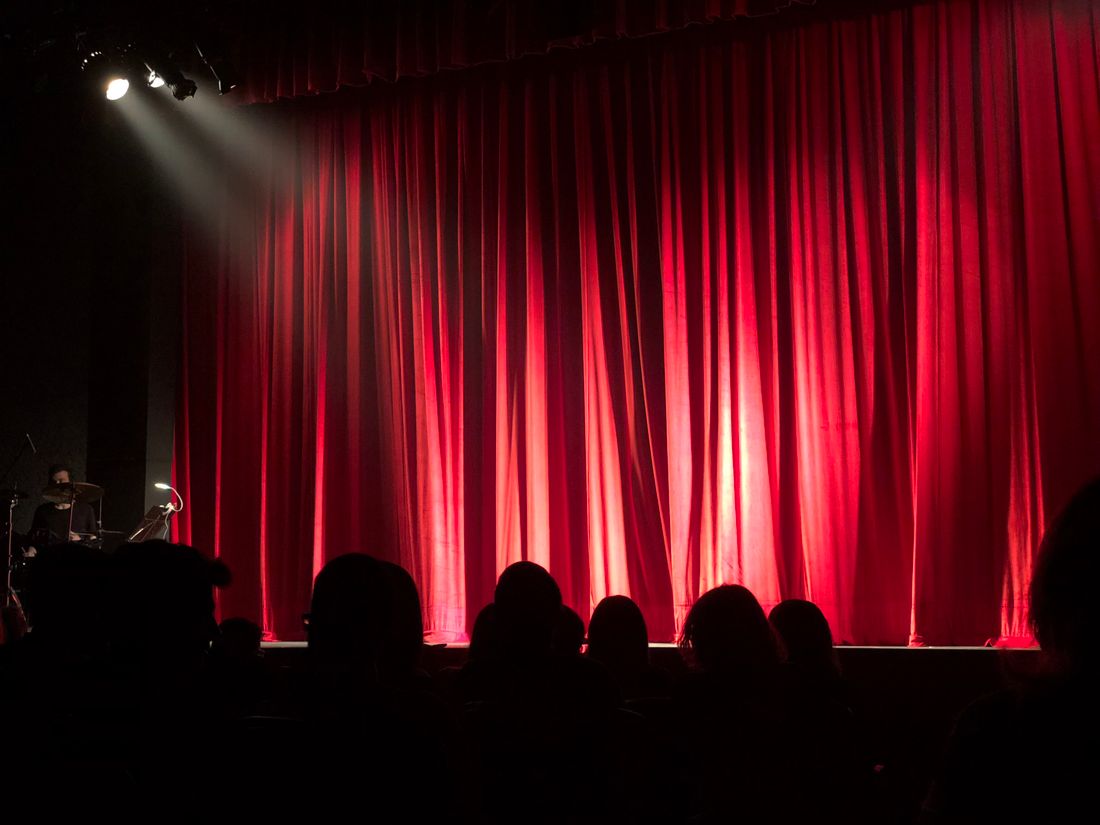
The strongest position for an award handshake is usually a slight angle off the presenter's shoulder, close enough to frame both faces and the plaque, far enough back to stay out of the audience's sightline and out of any livestream camera's frame. Standing dead center of the stage looks tempting and almost always ends up blocking someone's view or the projection screen.
Every venue changes this calculation. A ballroom with a raised stage gives more freedom to move along the front edge between categories. A flat function room with a small riser means the working position is narrower, and moving between shots has to happen during applause or between remarks, not while a name is being read.
We scout the actual stage and sightlines before the ceremony starts, not from a floor plan sent over email. Floor plans do not show where a pillar sits, where the AV table crowds the aisle, or where a runner of cable forces a wider berth than expected. Ten minutes standing in the room settles all of that faster than any diagram.
Lighting shapes the choice as much as sightlines do. A presenter lit from a front spot and a winner lit from a side wash need a position that reads both faces evenly, which is often not the most obvious angle from the audience's seats. Getting this position right before the first category is called matters more than adjusting it category to category, because there usually is not time to move far between one handshake and the next.
Reading the rundown so the shutter is ready before the name is called
A rundown, even an informal one on a single sheet, tells us roughly how many minutes separate remarks from each announcement, which lets us settle into position early instead of reacting late. Reading it before the ceremony starts turns four seconds of pure reflex into four seconds we already rehearsed in our heads.
The most useful detail in a rundown is rarely the exact minute. It is the sequence: whether a video plays before a category, whether the presenter tells a story about the nominees first, or whether the announcement comes cold right after applause for the previous winner. Each pattern gives a different amount of warning before the actual handshake.
We also watch for the tells that a rundown cannot capture. A presenter reaching for an envelope, a stage manager stepping just out of frame, house lights dimming slightly for a category video. These small cues usually arrive a few seconds ahead of the name, which is exactly the runway a four-second moment needs.
None of this replaces just watching the room closely. A printed rundown gets adjusted live more often than not, categories get reordered, a speech runs long, a winner needs to be walked up from a table in a wheelchair-accessible aisle instead of the stage stairs. The rundown is a starting map, not a script, and treating it as fixed is how a photographer ends up looking at a phone instead of the stage when the name is actually called.
What happens when the order changes or a winner is not in the room
Awards nights change plans constantly: categories get reordered, a scheduled winner is stuck in traffic or accepting by video instead, and a presenter runs long enough to skip a planned video package. The fix is staying on the room rather than the rundown, because the room tells the truth about what is actually happening a few seconds before it happens.
When a winner is not present, the moment usually shifts from a handshake to something else entirely: a video message on the screen, a family member accepting on the winner's behalf, or a co-worker walking up holding a phone on a video call. None of these are lesser moments, but they change where the useful frame is. A screen acceptance means the interesting shot might be the audience's reaction rather than the stage.
We build in a habit of checking the stage door or wings between every couple of categories rather than assuming the next name matches what was printed. A stage manager waving off a handoff, or quietly confirming one, is information worth catching before it becomes obvious to the whole room.
The organizations that run these nights well tend to over-communicate changes to their own staff, and that chatter is worth being close enough to overhear. A quick word between a stage manager and an usher about a reordered category is often the only warning a photographer gets, which is one more reason positioning near the wings, not just near the stage, pays off across a full program.
Capturing the room's reaction, not just the stage
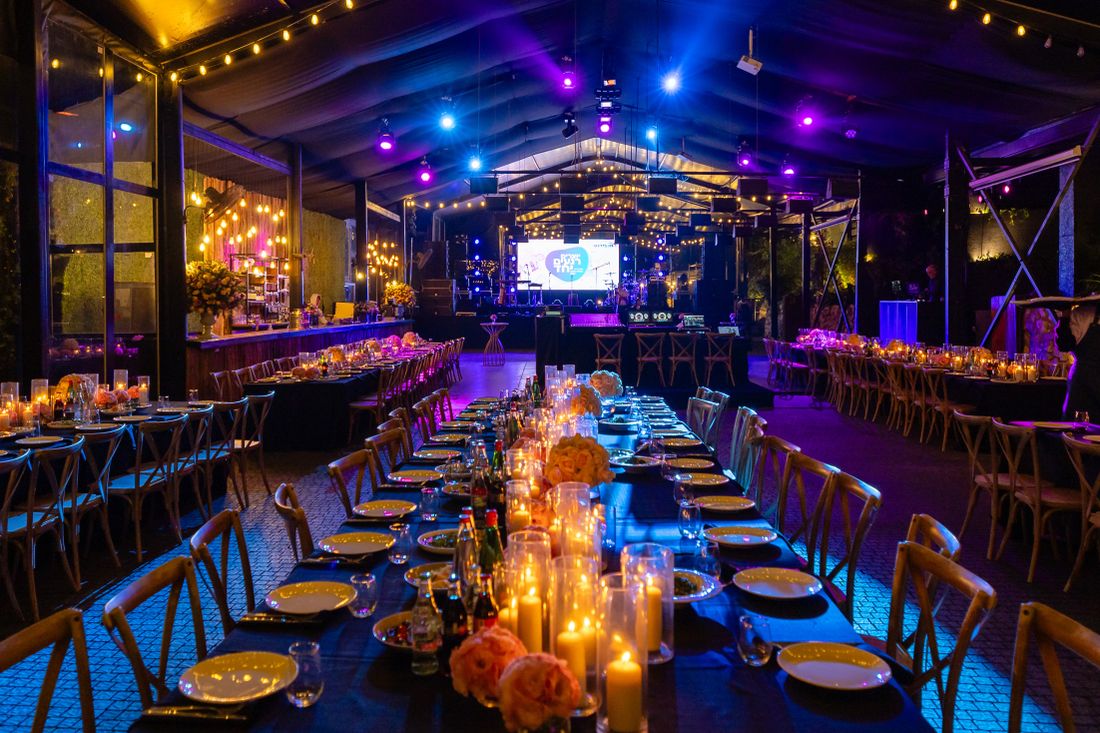
The handshake on stage is only half of an award announcement. The other half happens at the winner's table: the moment their name is read, the reaction before they stand, and the applause from people who know exactly what the recognition means to that particular artist or organization. Missing the room to only shoot the stage tells half the story.
This is a genuine tradeoff, not a small one. A single photographer physically cannot be pointed at the winner's table and the stage handshake in the same four seconds. Something has to be prioritized, and that choice depends on what the coverage is actually for: press and social media usually need the stage handoff first, while an organization's own archive often values the table reaction just as much.
Where the table can be anticipated, catching the reaction shot in the second or two before the walk to the stage, then swinging to the handshake as the winner arrives, threads both moments from one position. This only works when the winner's table location is known ahead of time, which loops back to why the seating chart and winner list matter beyond just planning the camera angle.
When the table is not known, we default to the stage. A handshake with an award in frame reads clearly on its own, in a program, or on social media, without needing the reaction shot to explain it. A reaction shot without the payoff on stage is a much harder image to use later, which makes the stage the safer priority by default.
One shooter or two for a multi-award program
A single photographer covers a short program with one or two categories well. Once a ceremony stretches past four or five awards, or the room and the stage both matter, a second shooter usually earns their spot by covering the half of the moment the first photographer physically cannot reach in the same four seconds.
The split is rarely photographer-on-stage and photographer-in-the-room the whole night. It works better as one person anchored on the handshake position for every category, and a second person moving: catching arrivals, table reactions, the room during remarks, and detail frames of the stage setup and awards themselves before the program starts. That second role also covers gaps if the first photographer needs to reposition between categories.
Cost is the honest reason most smaller ceremonies run with one shooter, and that tradeoff is usually fine. A tight program with a clear rundown and a cooperative venue does not need two people to come away with the handshake from every category. The math changes once the program runs long, the room is large, or the sponsor and press requirements pile up beyond what stage coverage alone satisfies.
We make this call with the organizer ahead of time rather than defaulting either direction. A program with ten categories across two hours, a red carpet before doors, and a request for both stage photos and press-ready portraits of winners afterward is a two-person night by any reasonable read. A single award folded into an otherwise quiet gala dinner rarely needs more than one.
Getting winner photos out fast enough to matter
An award photo loses most of its value if it arrives after the organization has already posted their own phone photo or a press outlet has moved on. Fast delivery matters more for award-night images than for almost any other event category, because the news value of a winner announcement has a short shelf life measured in hours, not days.
We flag the handshake and stage frames for a same-night or next-morning turnaround separately from the rest of the event gallery. The full edited set, reception candids, detail shots, room-wide coverage, can follow on the normal timeline. The handful of announcement images are the ones a press contact, a comms team, or the organization's own social account actually needs immediately.
This means culling the stage shots first, before the reception shots, even though they were captured in the middle of the night's coverage rather than at the end. Sorting a card chronologically and working straight through misses this priority. Sorting by what is time-sensitive gets the handshake photo into an inbox while the ceremony is still the thing people are talking about.
Naming and captioning matter here too. A file labeled with the winner's name and award category, ready to drop into a press release or a grant report without extra back-and-forth, saves the organization time they usually do not have the week after a ceremony. Coverage that arrives fast and already labeled gets used. Coverage that arrives fast but unsorted often waits for someone to sort it, which defeats the point of the fast turnaround.
Frequently asked questions
How far in advance should a photographer get the winner list for an arts award ceremony?
As early as the organizer is willing to share it, ideally a day or two before the event alongside the run of show. Some organizations keep winners confidential until the envelope opens on stage, and that works fine too. What matters most is getting the mechanics ahead of time: category order, whether winners are seated in the room or arriving separately, and where remarks fall relative to each handoff, since that shapes camera position more than the names themselves.
What happens if a winner isn't physically present to accept the award?
The moment usually shifts from a handshake to a video message on screen, a family member or colleague accepting on their behalf, or someone holding up a phone on a video call so the winner can say a few words remotely. These are still real moments worth covering, but the useful frame often becomes the room's reaction rather than the stage, which is worth watching for the instant an absence becomes clear.
Do arts award ceremonies need two photographers instead of one?
It depends on the program length and what the coverage needs to include. A short program with one or two awards is usually fine with one photographer anchored on the stage the whole night. Once a ceremony runs past four or five categories, or both stage handshakes and table reactions matter to the organization, a second shooter covering the room fills a gap the first photographer physically cannot close alone.
Why does award-night photography need faster delivery than other event coverage?
Because the news value of a winner announcement is short-lived compared to most event photography. An organization posting their own phone photo, or a press contact moving on to the next story, both happen within hours of the ceremony ending, sometimes before the gala even wraps. Flagging and culling the stage handshake images first, ahead of the rest of the gallery, gets that specific photo into the right inbox while it still matters.
How is award ceremony coverage different from covering a benefit auction?
An auction's unrepeatable moment is the paddle raise during the live ask, spread across a longer bidding stretch with the auctioneer setting the pace and building momentum toward a number. An award ceremony compresses to a single handshake and announcement per category, timed by a presenter reading a name rather than a bidding rhythm, which calls for a different kind of positioning and a tighter read of the run of show.
Got overlapping openings already on the calendar?
We work out the coverage plan well before the night gets close, whether that's two shooters, a tight schedule, or simply booking early enough to avoid the conflict entirely.
Explore event coverage →