An outlet says yes, and the writer needs a portrait by Friday. That deadline behaves differently from every other reason an artist books a portrait: it's set by someone outside the studio, it's usually short, and the file has to work inside a stranger's crop and layout rather than the artist's own preferred use. This piece walks through what that session actually needs to cover: both orientations with room to crop, a version with the work and one without, files built to the outlet's spec alongside the artist's own edit, and credit settled before anything goes out.
A portrait timed to a first press feature needs to be built for someone else's use, not just the artist's own. That means shooting both a horizontal and a vertical with room around the subject, a version with the work and one without, delivering full-resolution files to the outlet's spec alongside the artist's preferred edit, and settling credit and licensing before the file goes out. The deadline is short and set by the outlet, and the file often gets reused for years afterward.
Why Does a Portrait Timed to a Press Feature Need a Different Approach?
A portrait timed to a first press feature behaves differently from every other reason an artist books one: the deadline is set by an outlet, not a gallery calendar, it's usually short, and the file has to work inside a stranger's crop, layout, and file specs rather than the artist's own preferred use.
Most portrait sessions get planned around the artist's own timeline. A show is coming up, a website needs updating, a body of work is finished and it's time for a current photo. The artist sets the date, picks the mood, and the photo gets used the way the artist decides afterward.
A press feature flips that order. A writer says yes to a pitch, or an editor assigns a piece, and the portrait now has to exist by a date somebody else picked, in a form somebody else on a desk will decide how to use. Nobody on the shoot gets to see the final layout before it's printed or published, and there usually isn't a second chance to fix a file that didn't fit.
That changes what actually gets shot that day. The goal isn't one great image the artist loves best. It's a small set of files built to survive being handled, cropped, and placed by someone who has never met the artist and won't ask permission before making a call.
None of this makes the session less personal. It just means planning for an audience nobody on set can see yet: an editor, a layout, a headline not yet written.
Why Does the Outlet's Own File Specs and Art Direction Matter?
An outlet has its own house style, page layout, and file requirements, and those apply to a submitted portrait whether or not anyone told the photographer in advance. A file that looks finished by the artist's own standard can still get rejected or badly cropped if it doesn't fit how that publication actually builds a page.
Some outlets want a specific aspect ratio for a print spread. Others need a vertical for a mobile-first homepage module, or a square crop for a social card that runs alongside the story. Some have strict rules about background tone, minimum resolution, or how much empty space needs to sit around a subject so a headline can run over the top of the image.
Asking early is worth the effort even under a tight deadline. A quick message to the writer or the outlet's photo desk, confirming orientation, minimum size, and any format preference, takes a few minutes and can save an entire reshoot. Without that answer, the safest move is shooting for flexibility rather than guessing at one specific layout.
A photographer who treats this like any other portrait session, optimized only for the artist's own use, can hand over a beautiful file that simply doesn't work for the page it needs to run on. A little advance information turns a guess into a plan, and it usually costs nothing more than one short message before the shoot.
Why Shoot Both a Horizontal and a Vertical, With Room Around the Subject?
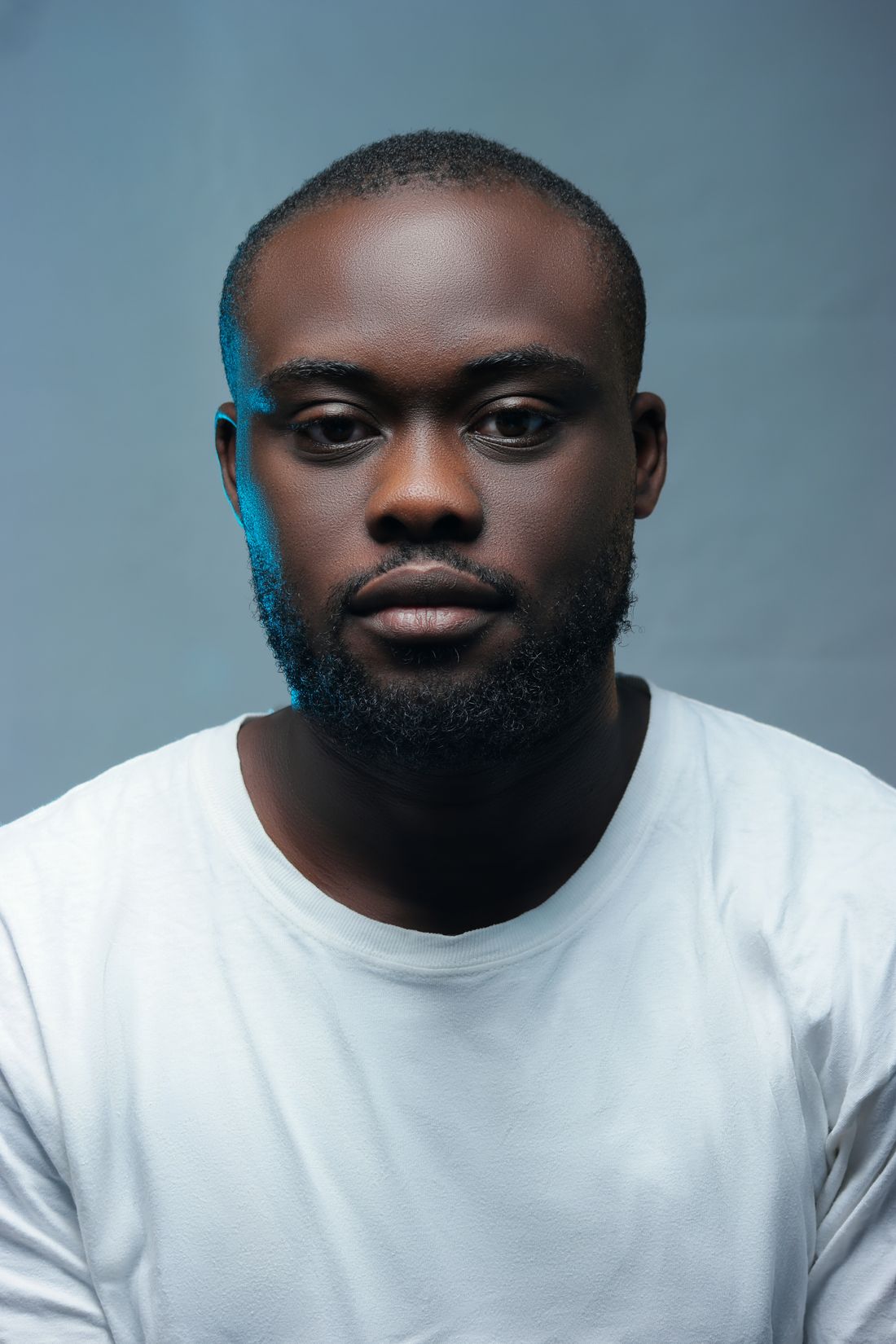
Shooting both a horizontal and a vertical of the same setup, with real space left around the subject, means the outlet can crop the file to fit its layout without cutting off part of the artist. A tight, single-orientation shot leaves an editor with only bad options.
A print spread often wants a wide horizontal. A homepage module or a social card usually wants something closer to square or vertical. A single photographer working under a deadline can't know which one a specific desk will end up using, so the practical move is producing both from the same setup, same light, same expression, rather than betting on one.
Room around the subject matters just as much as orientation. A frame with the artist's head close to the top edge looks fine as delivered, but the moment someone crops in for a different ratio, that same frame can decapitate the subject or crowd them awkwardly against the border. Leaving generous headroom and space on both sides gives whoever crops the file room to work without damaging the composition, whether that ends up being a tight square or a wide banner.
None of this changes how the portrait actually looks to the artist reviewing it that day. It changes whether the file survives being handled by someone the artist will never meet, in a layout nobody on set gets to preview first.
Why Shoot a Version With the Work and a Version Without It?
Shooting one version with a piece of the artist's work visible and one clean version without it gives the outlet a choice it will likely need to make on its own. Some stories want the work in frame. Others need just the person, with the art running separately.
A profile piece might pair a portrait with its own separate images of the work, in which case a portrait that's cluttered with a painting in the background competes with images already doing that job elsewhere in the layout. A different story might want the artist and the work together in one frame, to establish the connection visually in a single image, especially when the story is specifically about a new body of work rather than the artist in general.
The photographer on site usually doesn't know which choice the layout will make. Shooting both versions, in the same setup and light, removes that guess entirely. It also protects against a piece of work being included in a photo the artist didn't intend to have published alongside a specific quote or framing in the article.
This is a small addition to the shot list on the day, not a second session, and it's one of the cheapest ways to keep the final published photo out of a guessing game. A minute or two of repositioning at the same setup covers both versions cleanly.
Why Deliver Full-Resolution, Unretouched-to-Spec Files Alongside a Preferred Edit?
Delivering full-resolution files processed to the outlet's spec, alongside the artist's own preferred edit, means both parties get a version built for their actual use. A single heavily retouched file made for the artist's own website often isn't what a publication's photo desk can run as is, however good it looks in isolation.
Outlets typically want a clean, honest edit: accurate color, natural skin, minimal retouching, at a resolution that holds up in print or on a large screen. Heavy smoothing or a strong creative color grade that reads well on an artist's own site can look out of place, or even get flagged and sent back for a plainer version, which is exactly the kind of delay a short deadline can't absorb.
The artist still deserves a version they actually like looking at, since the same shoot is also generating their own usable portrait, not just a submission for one story. Delivering two sets, one built to the outlet's plainer standard and one built to the artist's own taste, means neither party gets a file compromised for the other's purpose.
This costs a bit more processing time on the photographer's end, but it avoids the far more expensive alternative: a rejected file, a rushed re-edit, and a deadline that's already gone. Planning for both versions from the start is simply faster than fixing one file twice under pressure.
Why Settle Credit and Licensing Before the File Goes Out?
Settling photo credit and licensing terms before a file is sent means the artist and the photographer agree on usage in advance, rather than discovering after publication that the photo ran without a byline, or got used somewhere well beyond what either of them actually intended.
A press feature is usually a one-time, editorial use tied to a specific story, but the exact terms vary by outlet. Some publications ask for exclusive first use for a set period. Others just want a straightforward photo credit line next to the image. Getting that in writing, even briefly, before the file goes out removes the guesswork later, especially once the image starts appearing in places nobody anticipated at the time of the shoot.
Credit is the artist's protection too. A published photo without proper attribution is genuinely common when it moves quickly through a busy editorial process, and it's much easier to ask for a correction before publication than after. Confirming who the photographer is, how they should be credited, and what the license actually covers takes a short conversation, and it's worth having before the deadline pressure makes it feel optional.
None of this needs to slow the shoot down. It's a conversation that happens alongside scheduling, not instead of it, and it usually takes less time than choosing which outfit to wear for the session itself, or picking the backdrop.
What if the Lead Time Is Two Days, or an Existing Portrait Is Good Enough?
A genuinely short lead time, sometimes just a day or two, calls for a simpler session focused only on what the outlet actually needs, and an existing recent portrait that already fits the outlet's format can sometimes be sent instead of booking anything new at all.
Under real time pressure, the right move is narrowing the shot list rather than trying to compress a full session into an afternoon. A single clean setup, shot in both orientations with room around the subject, covers most of what an outlet needs, even without the with-and-without-the-work variations or an extended wardrobe change. Cutting scope like this on purpose beats rushing through a longer list and getting none of it right.
Before booking anything new, it's worth checking whether a recent portrait already exists and already fits. An artist with a decent, current, correctly-oriented photo from the last year or so may not need a new session at all for a fast-turnaround feature, especially one that only needs a small headshot-style image rather than a full editorial spread. A quick check against the outlet's stated specs settles that question fast.
The deadline decides how much session gets built, not whether the portrait matters. A two-day turnaround portrait, planned around exactly what's needed rather than everything that would be nice to have, still does the job the feature actually requires from it, on time.
Why Does This File Tend to Get Reused for Years, and What Does That Change?
A portrait shot for a first press feature often quietly becomes the default image an artist gets found with online, since later articles, event listings, and interview requests frequently reuse whatever photo is already circulating rather than asking for a new one.
Once a photo runs in a publication, it tends to get pulled into search results, social previews, and future write-ups by other writers who find it faster than requesting a fresh one from the artist directly. That's a useful thing when the photo is good and current, and a quiet, ongoing problem when it isn't, since the artist has limited control over where a well-indexed photo resurfaces later.
Knowing this in advance genuinely changes what gets shot on the day. A portrait built only to satisfy one story's immediate specs, with no thought given to how it will look years later or in a completely different context, can end up representing the artist far longer than anyone expected. Building in a little more care, a slightly more neutral background, a look that won't feel dated fast, pays off well past the one feature it was made for.
That's the real reason the deadline-driven session still deserves the same care as any other portrait. It's rarely just for one use, and the artist rarely gets a say in when or where it resurfaces next, years down the line.
Frequently asked questions
How much lead time does a press-timed portrait actually need?
Enough time depends on the outlet's own deadline more than any fixed rule, but a few days is enough for a focused session covering the essentials: horizontal and vertical versions, a clean and a with-the-work version, and both a spec-matched file and the artist's preferred edit. With only a day or two, the session narrows to the single most important setup rather than skipping the shoot entirely.
Should the photographer talk to the outlet directly?
It helps when possible, but it isn't always practical under a tight deadline. Even a short message through the writer confirming orientation, minimum resolution, and any format preference is enough to shoot with the right specs in mind. Without that information, the safer approach is producing multiple orientations and crops so the file works across likely layouts instead of guessing at just one and hoping it lands.
What if the artist already has a portrait they like?
An existing portrait can absolutely work, as long as it's reasonably current, fits the orientation the outlet needs, and was shot with enough resolution and room around the subject to crop cleanly. Sending that instead of booking a rushed new session is often the right call, especially for a feature that only needs a small image rather than a full editorial spread built around it.
Who owns the photo after it runs in the press feature?
That depends entirely on what the photographer and artist agree to beforehand, since there's no universal default across outlets or photographers. Some arrangements keep full rights with the photographer, with the outlet and artist getting a specific license to use the image for that story. Settling this, along with the credit line, before the file goes out avoids a confusing conversation once the photo is already circulating.
Does the portrait need to look different from the artist's usual photos?
Not necessarily, but it should be built to survive being handled by someone else. That means enough resolution, room around the subject for cropping, and both a with-and-without-the-work version, on top of whatever look and feel already represents the artist well. The goal is a file that works for the outlet's layout without losing what already makes the artist's usual portraits feel like them in the first place.
Not sure if you need a refresh or a whole new concept?
We shoot both, and we'll say plainly which one fits your portrait before anything gets booked, not after the invoice.
Explore portrait sessions →