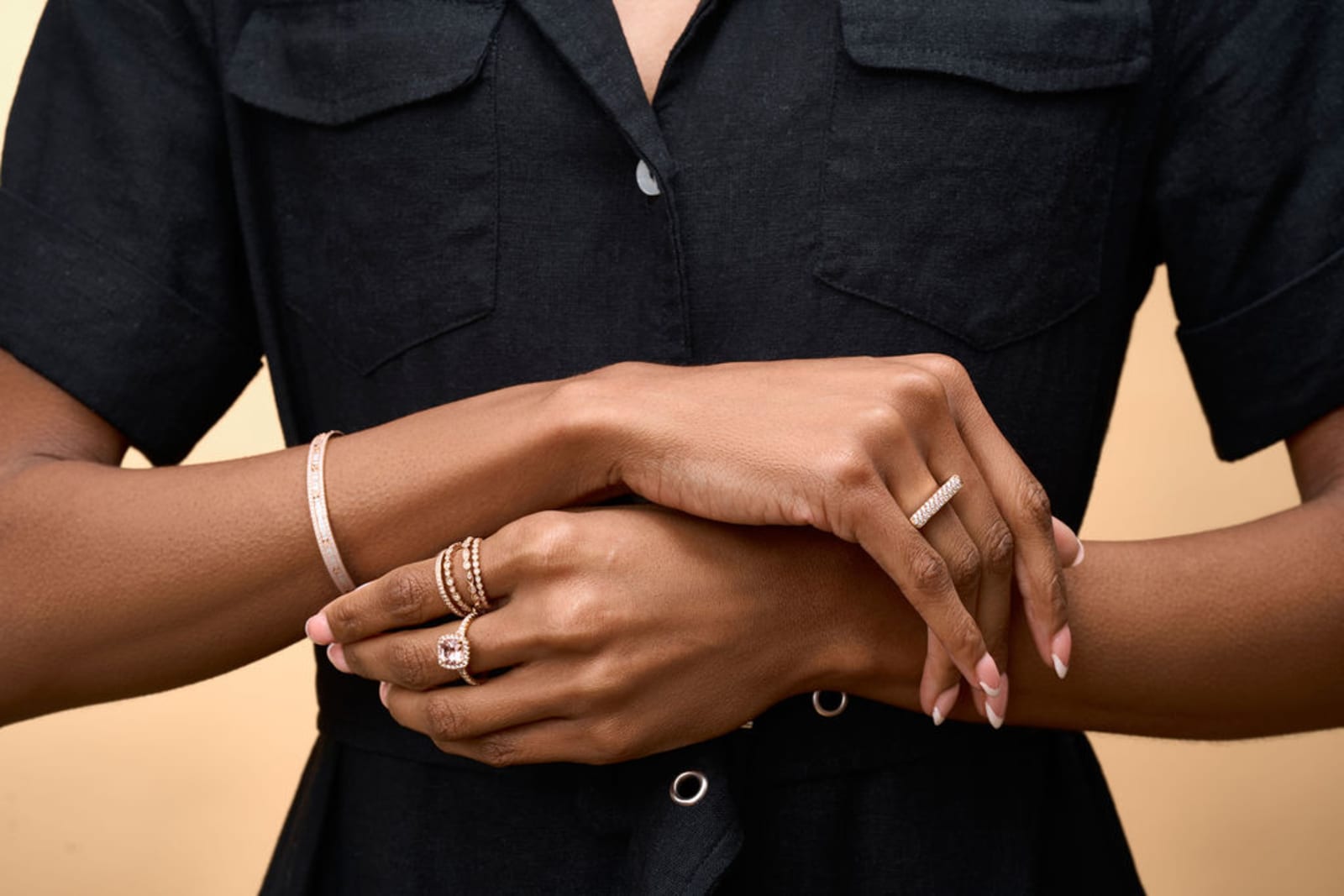
A museum, a university, or a foundation announces a gift, and the collector who gave or promised the work becomes, for a moment, part of the story being told. Someone now needs a picture of that person, and it isn't the same commission as photographing a collector at home with their art. The work is on its way out of their hands. The institution usually has more say over the picture than the collector does. What that changes is worth understanding before anyone books the room.
A portrait made for a gift announcement is built around the collector as a donor, not as an owner, and the institution receiving the gift typically has real approval over the final image. The gifted work is often absent from the frame, since it may not be installed yet or the institution wants to control its own first images of it. Where the photo runs, a press release, a web page, an annual report, decides its crop and register more than the collector's own taste does.
What changes when a portrait is prompted by a gift, not by owning the work?
A portrait tied to a gift or promised gift is built around the collector as a donor, not as an owner, and it usually has to satisfy an institution's use as much as the collector's own taste. The occasion is an announcement rather than an acquisition, and the picture needs to read as generous rather than possessive.
Most portrait requests built around a collection start from ownership. The person has assembled something worth photographing, and the picture exists to celebrate that. A gift announcement flips the emphasis. The specific work in question is on its way out of the collector's hands, promised or already given to a museum, university, or foundation, and the portrait marks that handoff rather than showcasing what still belongs to them.
That shift changes the mood the picture needs to hold. A portrait built around ownership can lean into pride and personality, the collector at ease among the art they chose. A gift portrait still needs warmth, but it also needs to feel a touch more public and a touch less personal, since the person in frame is briefly stepping into a role that belongs to the institution's story as much as their own.
None of this makes the sitting less friendly or more stiff by default. It changes what the photographer is actually solving for. The goal isn't a portrait that says look what I own. It's closer to a portrait that says look what I'm handing over, and that difference shapes almost every choice that follows, starting with who gets to weigh in on the picture at all.
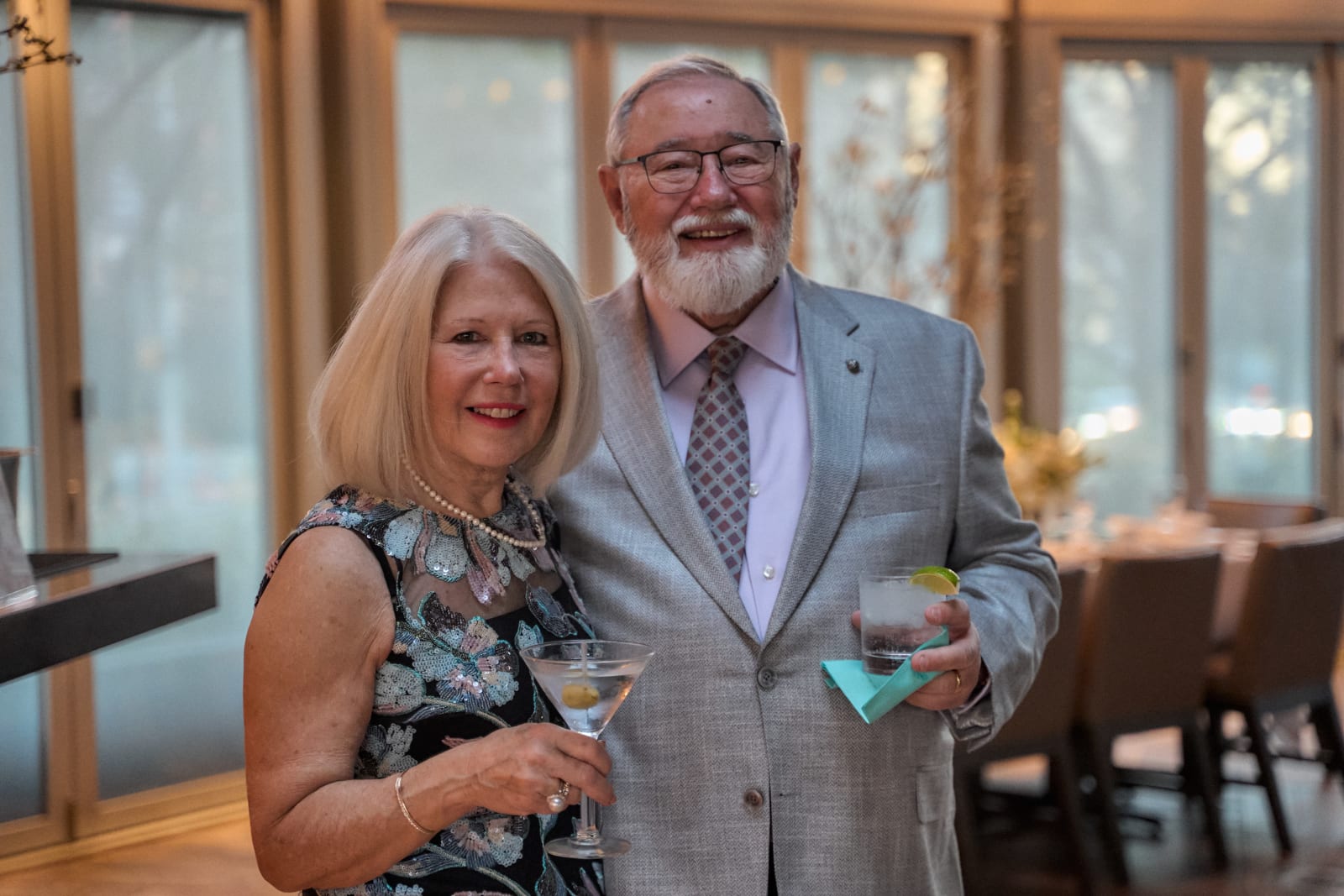
Who actually commissions and approves a gift-announcement portrait?
The institution receiving the gift is usually the party with the most say over a gift-announcement portrait, even when a collector's family office, gallery, or the collector personally is the one booking and paying for the session. A press office, communications team, or development office often has its own approval process for the final image.
That's a different arrangement from a typical collector portrait, where the collector reviews the images and picks a favorite. Here, the collector might love a frame that the institution's communications team rejects, because it doesn't match the tone of the announcement, the layout it needs to sit inside, or a house style built for donors, board members, and public figures generally.
It helps to ask, early, who actually has final sign-off. Sometimes it's a single press officer. Sometimes it moves through a development office and then a director's office before anything goes out. Sometimes the collector's own team wants a look too, and their preferences and the institution's don't automatically agree with each other.
None of this needs to slow down the shoot itself. It just means confirming the chain of approval before the session, not after a preferred image gets rejected by someone the photographer never spoke with. A short conversation up front, about who signs off and by when, saves a reshoot later.
Why does the collection often stay out of the frame?
The gifted work is often absent from a gift-announcement portrait, and not by accident. It may not be installed at the institution yet, it may already be there and off limits to an unrelated shoot, or the institution may simply want to control the first public images of the piece in its own space.
A collector-with-their-collection portrait treats the art as a co-subject, deliberately in frame alongside the person who owns it. A gift portrait is a different occasion, and including the work can accidentally pre-empt the institution's own unveiling, wall text, or press photography, especially when that team is planning its own separate shoot of the piece once it's installed.
There's also a simple practical reason. The work is frequently in transit, in storage, or already crated for its move to the institution by the time a portrait gets scheduled. A photographer showing up expecting to shoot the collector next to the gifted piece can find that the piece itself is nowhere near the location.
The safer default is planning the portrait as if the work won't be present, then treating any access to it as a bonus rather than a requirement. That keeps the shoot from depending on a piece of art that isn't the photographer's to move, install, or unwrap.
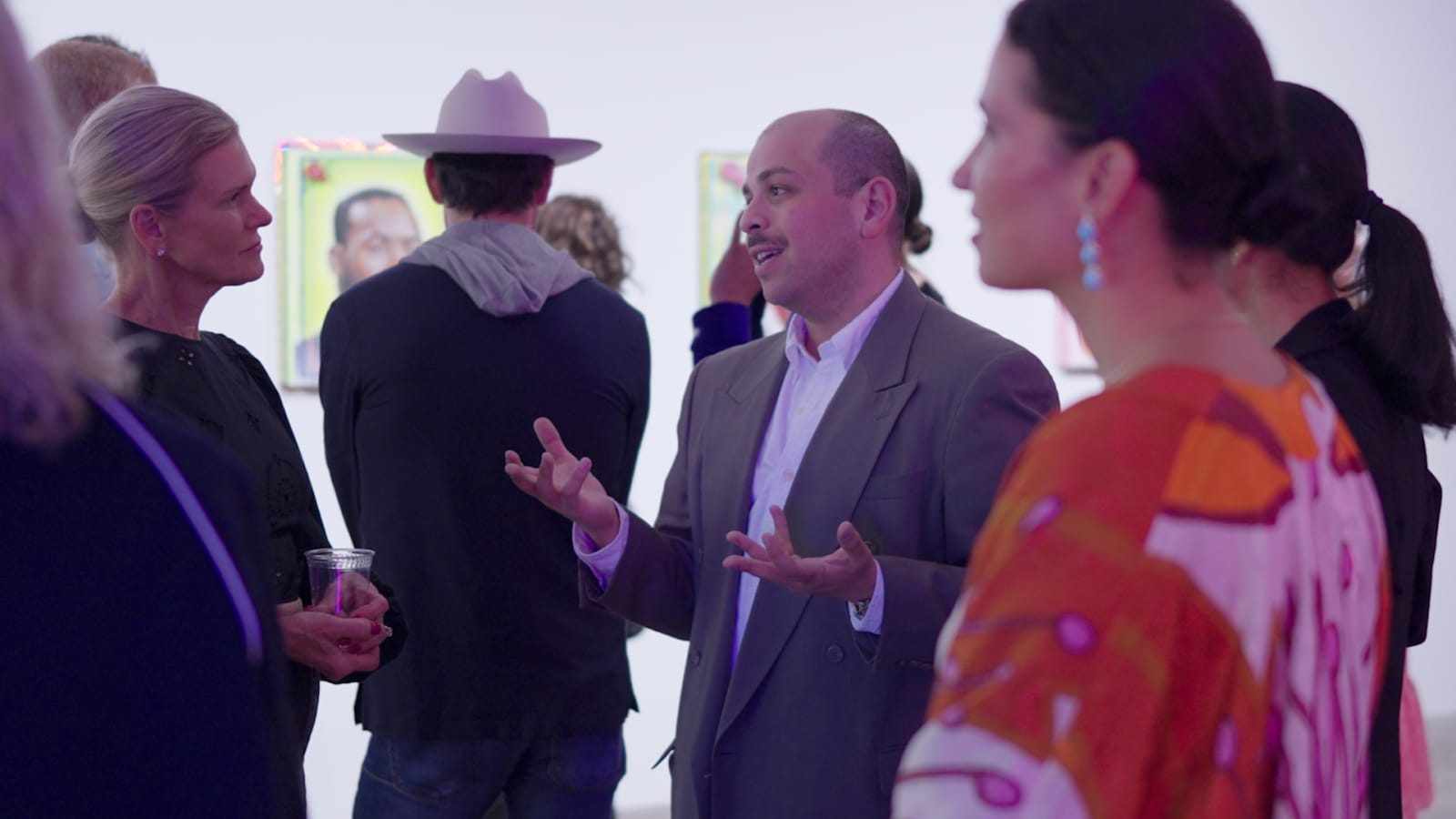
Where does the picture actually run, and how does that decide the crop?
A gift-announcement portrait usually ends up in one of a few places: a press release, the institution's own web page, an annual report, or wall text near the gift once it's on view. Each of those has different orientation, crop, and file needs, and knowing which one applies changes what actually gets shot.
A press release headshot often wants a straightforward vertical or square crop with room around the subject. An annual report spread might want a wider horizontal, sometimes with the collector positioned to one side so text can run alongside them. Wall text near an installed gift tends to want something plainer still, a portrait that won't compete with the object it's captioned next to.
Asking where the photo is actually going, before the shoot, is a small question with a real payoff. It's the same logic that applies to any portrait built for someone else's layout rather than the subject's own use, shoot with enough room to crop several ways, since the final placement is rarely up to the person in the frame.
When nobody can say yet exactly where the image will run, which happens more often than anyone would like on an announcement timeline, the safer move is shooting flexible rather than shooting for one guess. Multiple orientations from the same setup cost little and remove the gamble entirely.
What should get settled before the session, not during it?
Before booking the room, it helps to confirm four things: who has final approval on the image, whether anything from the collection can appear in frame, where the photo is actually going to run, and what the caption or credit line will say. Settling these ahead of time avoids the awkward version of finding out mid-shoot.
The paperwork side of a gift, the deed of gift, any valuation, and how the collector's accountant or lawyer wants the announcement timed, is genuinely somebody else's desk. None of that changes what the photographer needs to plan for, and it's not something a portrait session should try to weigh in on.
What does belong on the photography side is timing flexibility. Announcement dates on a gift can move, sometimes right up until the week of, tied to a board meeting, a fiscal year, or a press embargo nobody on the shoot controls. A collector portrait booked around a fixed date benefits from a little slack built into the schedule.
Getting these settled doesn't make the session more complicated. It just moves the guesswork earlier, into a short conversation before the day, instead of leaving it to be discovered once the collector is already standing in front of the camera and somebody realizes nobody confirmed who gets the final say.
A portrait that's aged doesn't always need a full reshoot.
We'll look at what you have and tell you honestly whether a refresh session covers it or the work calls for a new concept.
Explore portrait sessions →