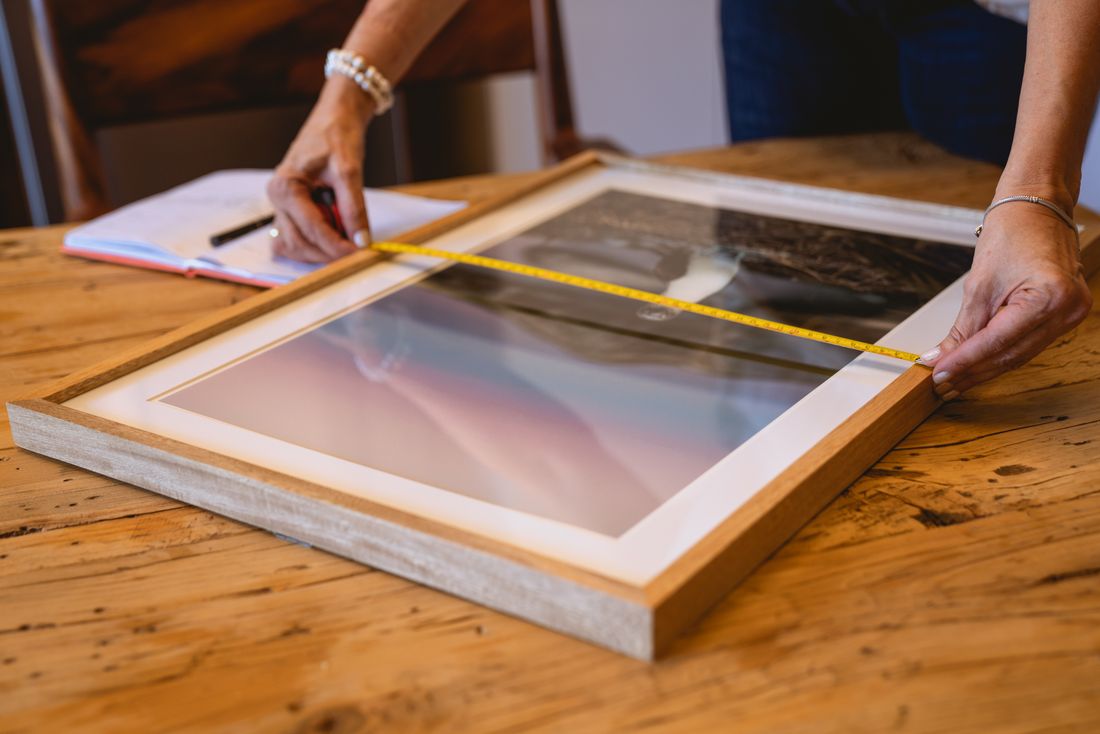
Somebody has to schedule the documentation shoot before conservation treatment starts, and the honest answer is that neither side is automatically responsible for it. Owners often assume the conservator has photography covered because the conservator is already taking pictures for the treatment file. Conservators often assume the opposite, that documentation is the owner's job. Both assumptions are reasonable, and both leave the shoot unbooked until someone finally asks.
Neither the owner nor the conservator owns this by default. Sometimes the owner books documentation directly, sometimes the conservator arranges it during intake, and sometimes an advisor or insurer coordinates it. Whoever initiates the conservation referral should name who is booking the shoot and when, before a treatment date gets confirmed.
Who Actually Books the Photographer Before Conservation Work?
No single party owns this by default, and that gap is exactly why the question keeps coming up. Sometimes the owner books documentation directly. Sometimes the conservator arranges it as part of intake. Sometimes an advisor or insurer requests it on the owner's behalf. Whoever initiates the conservation referral should raise it early, before a treatment date gets fixed on the calendar.
In practice, the arrangement tends to track whoever made the first call. If an owner contacts a conservator directly, the conservator is focused on stabilizing and treating the piece, not on producing a publication-ready photographic record, and will usually expect the owner to sort out documentation on their own. If an advisor or an insurer is coordinating the referral, they often build documentation into the front end of the process, because they need it for their own paperwork before treatment changes anything about the piece. The confusion shows up most with owners who have never gone through a conservation treatment before. They assume someone professional is photographing the piece without asking exactly who that someone is, and by the time the gap surfaces, treatment may already be scheduled. The fix is not complicated. It just requires naming the job out loud early, the same way movers get booked before moving day, instead of assuming photography is covered because a professional is already involved somewhere in the process. The rest of this comes down to habit, not authority.
What Are the Common Arrangements for Booking the Shoot?
Three arrangements cover most cases: the owner books the photographer directly, the conservator arranges it as part of intake, or an advisor or insurer coordinates it on the owner's behalf. Each one changes who makes first contact, who sets the timeline, and who the photographer ends up reporting the finished files to.
Owner-direct is the simplest arrangement on paper. The owner finds a documentation photographer, sets a date before treatment starts, and stays the point of contact throughout. It works well when the owner already has a documentation habit, a personal collection with a standing photographer, or a piece with insurance or appraisal needs the owner already tracks. Conservator-coordinated shows up more with institutional clients, working artists, and estates, where the conservator is used to managing the full intake process and treats documentation as one more step alongside condition assessment. Advisor or insurer-coordinated arrangements are common when a collector works through an advisor for acquisitions and ongoing care, or when an insurance claim triggered the conservation referral in the first place. In that case the advisor or the claims contact is often the one who actually picks up the phone and calls the photographer, sometimes without looping the owner into the scheduling conversation at all. None of these is inherently better. The failure mode is not picking the wrong arrangement; it is nobody confirming which one applies to this particular piece, on this particular timeline, before a treatment date gets locked in.
Who Pays for the Photography Under Each Arrangement?
Payment generally follows whoever initiated the booking. When the owner books directly, the owner pays the photographer directly. When the conservator coordinates it, the cost is usually either billed through the conservator's invoice or referred straight to the owner with the conservator simply making the introduction. When an advisor or insurer coordinates it, payment routes through whichever party controls that budget line.
This is worth confirming out loud rather than assumed, because a referral is not automatically a billing arrangement. A conservator who recommends a photographer is not necessarily agreeing to pay for the shoot, and an owner who receives that recommendation should not assume the conservator's estimate already includes it unless the paperwork says so. The same applies on the advisor side. An advisor arranging documentation as part of ongoing collection management may fold the cost into a broader retainer, or may simply be the messenger passing along contact information while the owner pays directly. Insurance-triggered documentation adds another variable, since a claim may or may not cover a separate photography line item depending on the policy and the adjuster involved, which is a question for the insurer, not for the photographer or the conservator. The practical habit is simple: whoever raises the idea of booking documentation should also say, in the same conversation, who is expected to pay for it. Leaving that unstated is how invoices arrive at the wrong desk weeks later.
Why Do Conservators Often Assume the Owner Has It Handled?
Conservators typically assume the owner has documentation handled because photographing the piece for public, insurance, or archival use sits outside a conservator's own scope of work. A conservator's job is treatment, not producing a polished photographic record, so the assumption is that whoever cares about that record is already managing it.
This assumption is reasonable more often than not. Owners who work with conservators regularly, particularly institutions, galleries, and collectors with an established practice, usually do have a documentation habit already in place, and the conservator has learned not to duplicate it. The trouble comes with first-time or occasional clients, where the conservator's mental model of a typical client does not match the actual person in front of them. A conservator may also assume that because they themselves photograph the piece before and after treatment, for their own condition file, the owner's documentation needs are already covered by those images. That is rarely true. A conservator's intake and treatment photos are built to serve the treatment record: focused on damage, materials, and the specific areas being worked on, taken under whatever lighting the studio has set up that day. They are not built to the standard a gallery, appraiser, or insurer needs for a clean, calibrated, presentation-ready image of the whole piece. A conservator who does not routinely work with outside documentation photographers may not realize the gap exists until an owner asks for files that were never actually produced.
Why Do Owners Often Assume the Conservator Has It Handled?
Owners often assume the conservator has documentation covered because the conservator is already photographing the piece as a normal part of treatment, and it is easy to mistake those working photos for a complete photographic record. The two look similar from the outside. They are not the same product.
Part of this comes from how conservation is explained to clients in the first place. An owner hears that the conservator will document condition before and after treatment, which is true, and reasonably assumes that covers photography in general. Nobody used the word documentation in two different senses in that conversation, so the owner has no reason to ask a follow-up question. Part of it also comes from trust in expertise. Once an owner has handed a piece over to a conservator for treatment, it is natural to assume the conservator is managing everything connected to the piece during that window, photography included, the same way a general contractor is assumed to be coordinating subcontractors on a renovation. And part of it is simply timing pressure. Once a treatment date is set, owners are focused on the treatment itself, not on auditing exactly which photographs will exist afterward and for what purpose. The gap rarely gets noticed until later, when an appraiser, insurer, or gallery asks for a proper set of images and the owner discovers the piece went through treatment with only the conservator's working photos to show for it.
What Does the Shoot Capture That a Treatment Record Does Not?
A documentation shoot produces full, evenly lit, color-accurate views of the whole piece, built for reproduction, valuation, and long-term reference. A conservator's treatment record is diagnostic: close, detail-focused images of specific damage and treatment areas, shot for the conservator's own working file, not for outside use.
The difference is about purpose, not quality. A conservator's photos genuinely need to show cracking, flaking, old repairs, or the exact area being cleaned or stabilized, usually under raking or specialty light that makes surface condition visible. That is the correct choice for a treatment file. It is the wrong choice for a gallery submission, an insurance appraisal, or a catalogue entry, none of which want to see the piece lit to expose every flaw. A proper documentation shoot instead captures the complete front view under even, color-neutral light with a reference for accurate reproduction, plus whatever additional angles or details the piece actually needs for its intended use. It is planned around where the images are going next, not around what a conservator needs to see while working. This is the same distinction covered from the content side in our piece on what a proper before-and-after condition record requires; that post explains what belongs in the images, while this one is about who has to schedule the appointment that produces them. A treatment record and a documentation set can both exist for the same piece without duplicating each other, but only if someone actually books both.
How Does Booking Timing Collide With the Treatment Start Date?
Documentation has to happen before treatment changes the piece, which means the shoot needs to land in the window between the conservation referral and the treatment start date. That window is often shorter than either side expects, and it can close fast once a conservator has an opening in their queue.
Conservation schedules do not always move on a predictable timeline. A piece might sit on a waitlist for months and then get a firm start date with only a couple of weeks' notice once a slot opens up. If nobody has arranged documentation by that point, the photographer either has to be booked on short notice or the shoot gets skipped entirely because treatment cannot wait. Once a piece is in active treatment, it may be partially disassembled, off its stretcher, in a solvent-safe environment, or otherwise unavailable for a normal photography setup, which is exactly why the shoot has to happen before that point, not during a pause in the work. The owner is usually the only person who knows both halves of this timing problem: when the treatment slot is actually confirmed, and whether documentation has been arranged yet. A conservator focused on the treatment queue may not think to ask about documentation status, and a photographer has no way to know a treatment date exists until someone tells them. Closing that gap means someone treating the treatment start date as a hard deadline for the photography booking, not a soft one, and building in enough lead time for the photographer's own schedule.
What One Question Settles This on the First Call?
The question that settles it is simple: who is arranging photography before this piece goes into treatment? Asked out loud, on the first call between owner and conservator, it forces an explicit answer instead of two reasonable but conflicting assumptions running in parallel until it is too late to fix.
This works because it does not ask either side to take on a job that is not theirs. It only asks them to name who owns the task, which is the actual missing step in most of these situations, not a missing professional. An owner can ask a conservator this question directly during intake. A conservator can raise it proactively with a new client instead of waiting to be asked, which builds trust and prevents a scramble later. An advisor coordinating the referral can ask it on the owner's behalf and confirm the answer with both sides before scheduling anything. Whoever raises it, the answer needs three parts to actually be useful: who is booking the photographer, when the shoot needs to happen relative to the treatment date, and who is expected to pay for it. A vague answer like someone will handle that is not an answer. A specific one, naming a person and a rough date, is. Getting that settled at the first phone call costs nothing and takes one sentence. Leaving it unsettled is what turns a routine documentation shoot into a scramble squeezed against a treatment date that was never going to move.
Frequently asked questions
Should the owner or the conservator book the documentation photographer?
Neither the owner nor the conservator owns this by default, so the honest answer is whoever notices the gap first should raise it. In practice the owner is usually the safer default to name, since conservators are focused on treatment and often assume documentation is already arranged elsewhere. Naming one specific person to book the photographer, before a treatment date gets confirmed, matters more than which side technically initiates the conversation.
Can a conservator's treatment photos be used instead of a documentation shoot?
No. A conservator's treatment photos are diagnostic images built for their own condition file: close, detail-focused shots of damage and treatment areas, often under raking light that deliberately exposes flaws. A proper documentation shoot produces full, evenly lit, color-accurate views of the whole piece, built for reproduction, valuation, or archival use. Both can exist for the same piece, but one is not a substitute for the other.
When should documentation photography happen relative to a treatment start date?
Documentation needs to happen before treatment changes the piece in any way, ideally as soon as a treatment date is confirmed and well before the piece is disassembled, removed from its stretcher, or placed in a solvent-safe environment. Conservation schedules can move quickly once a slot opens up, so booking the photographer right after the date is set, rather than the week before, protects against a timing collision.
Who typically pays for documentation photography before conservation treatment?
Payment generally follows whoever initiated the booking. An owner who books directly usually pays the photographer directly. When a conservator coordinates the shoot, the cost may be billed through the conservator's invoice or referred straight to the owner, depending on their working arrangement. When an advisor or insurer arranges it, payment routes through whichever party controls that budget line. Confirm this explicitly rather than assuming it from the referral.
What happens if nobody books documentation before treatment starts?
The piece usually goes through treatment with only the conservator's diagnostic photos to show for it, since those were never built for outside use. Whoever needs a proper record later, an appraiser, insurer, or gallery, discovers the gap after the fact, once the piece has already changed and a true before-treatment record can no longer be created. The fix has to happen before the treatment date, not after it.
Make sure your archive means something when someone asks for proof.
We photograph the work the way an insurer or gallery registrar wants it documented, straight views, correct color, and condition callouts you can actually point to later.
Explore artwork documentation →