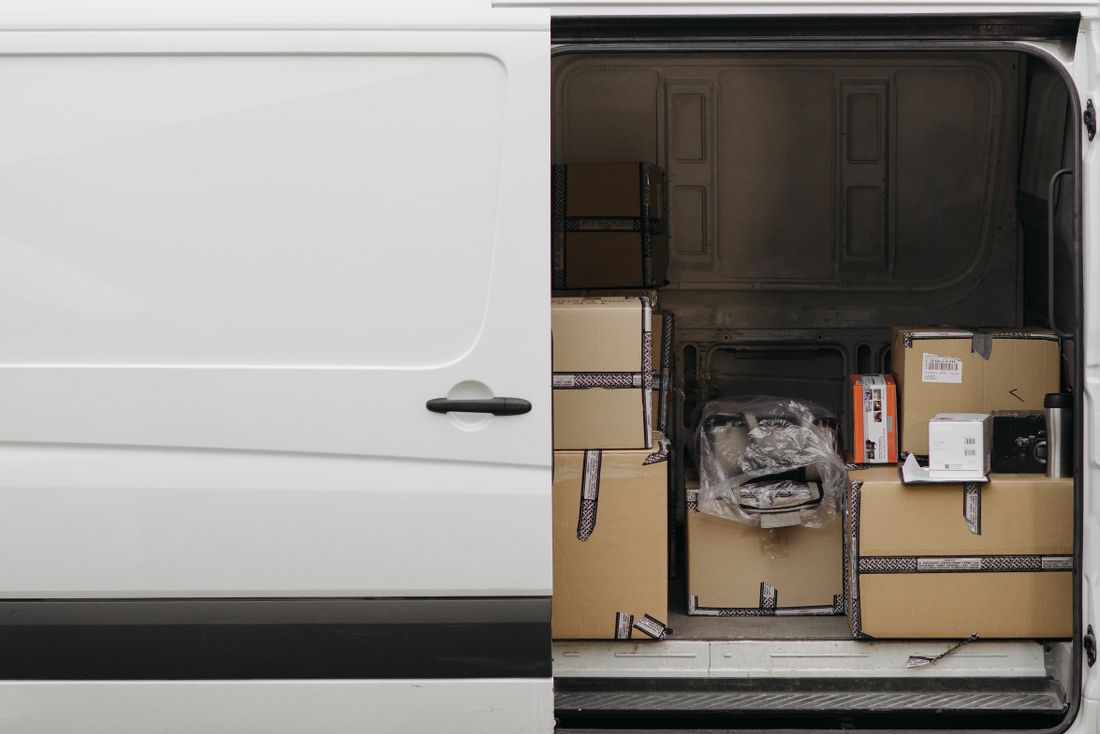
A shipper's first question is rarely about a piece's meaning. It's about the condition it was in before anyone touched it. An owner who can answer that immediately, with a dated record instead of a memory, has already answered the question that matters most once a piece leaves the wall. An owner who can't is the one left guessing if something looks different on arrival.
A fine-art shipper wants a dated condition record made close to the pickup date: full front and back views, close images of corners, edges, and any existing damage, plus accurate dimensions. That record is the only neutral reference if a piece looks different after it arrives, and an owner without one is the person left without an answer.
What Does a Fine-Art Shipper Actually Ask to See Before a Piece Moves?
A fine-art shipper typically asks for full front and back views of the piece, close images of any existing damage, wear, or repairs, accurate dimensions and weight, and the date the images were taken. That record establishes the condition a piece was in before anyone touched it, which is the starting point every shipper works from.
Most shippers work from a short, specific list: clear images of the front and the back, any frame or mount, the edges and corners where handling damage tends to start, and a note of anything already present, such as a hairline crack, a scuff on a frame corner, or a soft dent in a canvas. They also want to know the piece's dimensions and approximate weight before a truck or crate gets sized for it, and a date stamped on the images so everyone agrees on when that record was made. Some shippers ask for this list directly; others simply expect it to exist and only raise the question if it doesn't.
When we document a piece for this reason, we build the file around that exact list rather than a broader portfolio-style shoot. The images are practical, not promotional: even, accurate lighting, straight-on angles, and enough resolution that a detail can be examined up close later if it needs to be. The goal is a record someone unfamiliar with the piece could use to compare its condition before and after transit, without needing us in the room to explain what they are looking at.
Why Do Shippers Want a Record From Before They Touch a Piece, Not After?
A shipper wants a timestamped record from before handling begins because it is the only neutral reference point once a piece is in transit. Without one, there is no way to establish whether a mark, chip, or change in a piece was already there or happened somewhere between pickup and delivery.
This is a practical question for the shipper's own paperwork, not a legal one, and it comes up before every job that involves loading, crating, or moving a piece any real distance. A condition report filled out at pickup is only useful if there is something to compare it against, and a shipper without a prior record has to rely on their own quick notes made in the moment, often on a loading dock, under time pressure and without the piece's earlier history in hand. The record's value comes from being made before anyone had a reason to dispute anything, which is exactly what makes it neutral in the shipper's eyes.
An owner who has a recent, dated set of images can hand that file over before the crew arrives. It answers the shipper's question before they have to ask it, and it means the piece's condition on record does not depend entirely on what one crew member noticed during a fast pickup. That is the practical value of documenting a piece before it ships, separate from anything a shipper, insurer, or conservator might do with that record afterward. It exists to describe the piece, not to settle a dispute.
What Does a Useful Pre-Shipping Condition Record Actually Show?
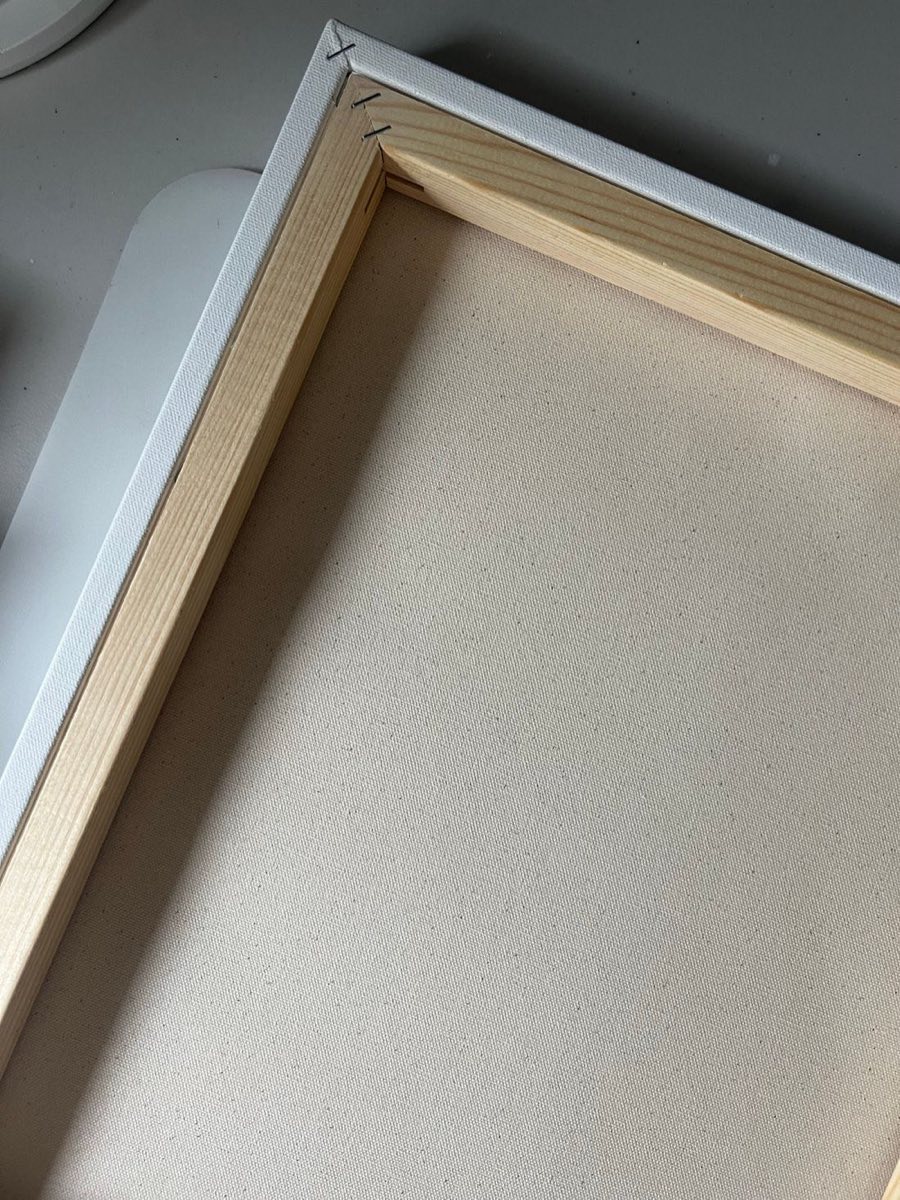
A useful pre-shipping record shows the whole piece from a consistent, even angle, plus closer images of the areas most likely to matter later: corners, edges, the frame or stretcher, and any existing mark or repair. It is built to be compared against, not admired, which changes what gets prioritized in the shoot.
Full, straight-on views come first, front and back, so the piece's overall condition is unmistakable. From there, the file moves into detail: each corner of a frame or stretcher, any visible join or seam, and close images of anything already present, such as a small tear, a touched-up area, or a warp in a panel. These are the places handling tends to affect first, so a shipper or owner comparing before and after usually looks there before anywhere else, since damage from transit tends to show up at edges and corners more than anywhere in the middle of a piece.
Consistent, accurate lighting matters more here than it would in a portfolio image, because color shifts or heavy shadow can make a mark look different than it actually is. We shoot pre-shipping records the same way every time, with the same approach to angle and light, so a comparison later is judging the piece and not the photograph. Nothing in this kind of record is meant to interpret what a mark means or how serious it is. It is a visual reference, not an assessment.
How Is This Different From Documenting a Body of Work Before a Fair?
Documenting a single piece before it ships is a narrower, more specific job than documenting a body of work before a fair. A fair shoot covers everything finishing in time for one event; a pre-shipping session covers one piece, built around a single shipment's condition record rather than a broader catalogue.
A pre-fair shoot is organized around a fixed date and a growing list: whatever the artist finishes gets added, and the whole set needs to be photographed and delivered before the booth gets built. The priority is coverage across the group, and the images tend to double as promotional and catalogue material, so the shot list leans toward showing the work well rather than isolating every corner and edge.
A pre-shipping session has a much narrower brief. One piece, sometimes a small handful going out together, and the images exist specifically to record condition before a shipper takes possession. There is no catalogue angle and no promotional use expected. The session is shorter, the shot list is more specific to that piece's construction, and the timing is set by the pickup date rather than an event date. That distinction is easy to miss from the outside, since both sessions involve a camera and a piece of art, but the brief, the pace, and what the resulting file is meant to do are genuinely different. Treating the two as the same kind of shoot usually means the pre-shipping session either runs long chasing coverage it doesn't need, or the pre-fair shoot skips the close, comparison-ready detail a shipping record actually depends on.
What Happens When There Is No Record on File Before a Piece Ships?
Without a dated record, an owner has no independent reference if something looks different after a piece arrives. The only accounts available are the shipper's own pickup and delivery notes, made quickly and from their perspective, and whatever the owner remembers about the piece's condition beforehand.
This gap tends to surface at the worst possible moment: after delivery, when a piece is unpacked and something looks off, and everyone involved is trying to reconstruct a condition that existed weeks or months earlier from memory. Memory is not a reliable source under those circumstances, and a shipper's own quick notes at pickup, taken under time pressure on a loading dock, were never meant to substitute for a proper record made with the piece at rest, in good light, with time to look closely. That absence is rarely anyone's fault in the moment. It simply reflects that documentation is easy to treat as optional right up until the exact week it would have been useful.
An owner without a recent file is the one left without an answer, not the shipper. The shipper did their job by noting what they observed at pickup and delivery; the missing piece is a record from before that ever happened. This is why timing matters as much as content: a record made months before a shipment, or one that shows an earlier version of a piece after a repair or reframe, is functionally the same as having no record for this specific move, even though a file technically exists somewhere.
How Close to the Shipping Date Should This Documentation Happen?
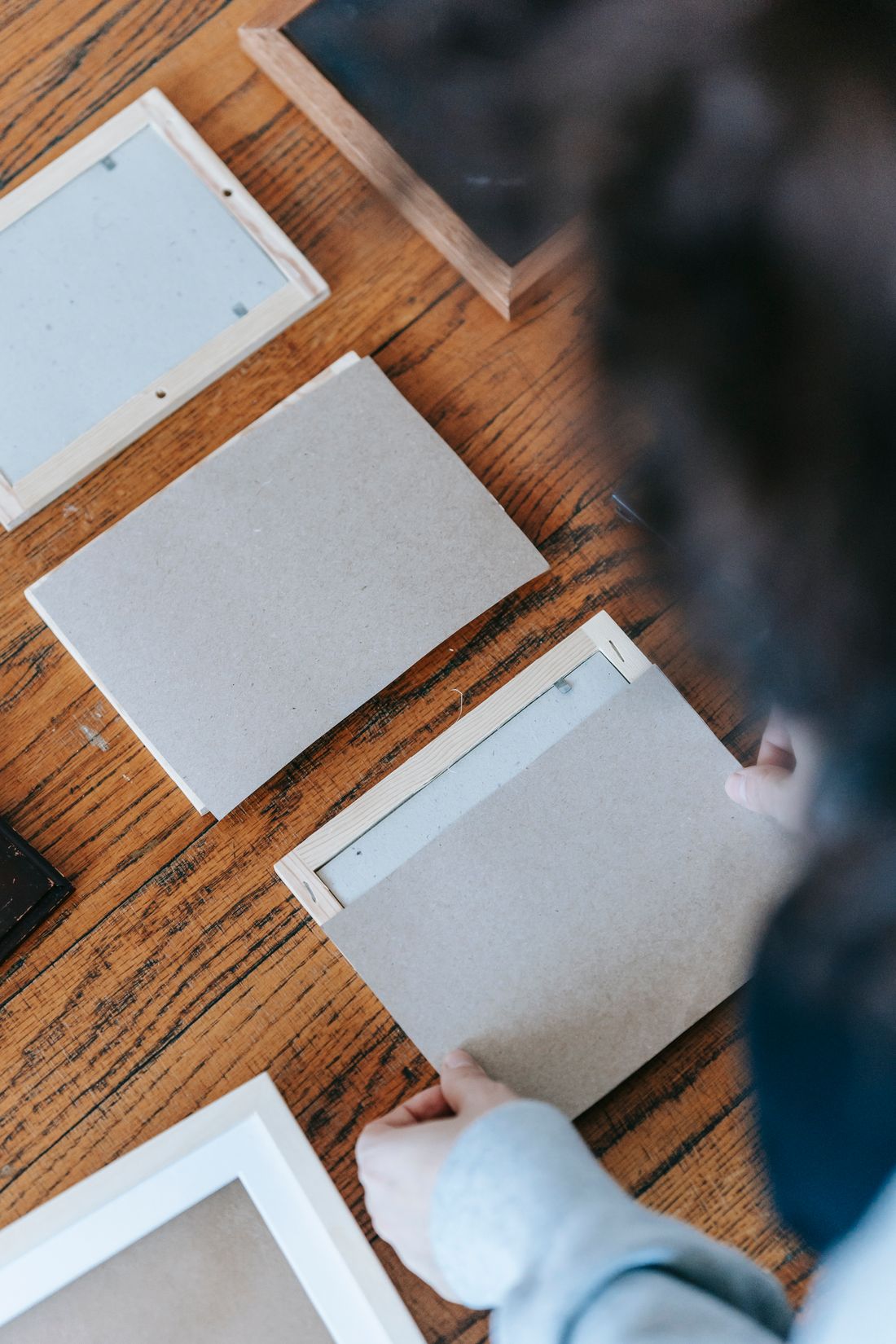
This kind of record is most useful when it is made close to the actual pickup date, not weeks or months ahead of it. A piece's condition can change in storage or handling between an early shoot and a later shipment, which makes an older file a weaker match for that specific move.
In practice, that means scheduling the session once a shipping date is confirmed, rather than pulling from an older archive shoot or a set of images taken for another purpose entirely. A record made for a different reason, such as a listing photo or an older archival pass, may not show the piece in its current condition, or may be framed and lit in a way that makes small detail hard to compare against later, even if the piece itself has not changed at all since it was taken.
We schedule pre-shipping sessions to land close to the pickup window specifically because of this. It keeps the record tied to the exact condition a shipper will encounter, rather than a condition from some earlier point in the piece's history. If a piece changes hands, gets reframed, or goes through any kind of repair between an old shoot and a new shipment, the record needs to be remade rather than reused, since the whole value of the file depends on how recently it reflects the piece as it actually is.
What File Format Does a Shipper Actually Need to Use This?
A usable pre-shipping file is a small, clearly labeled set of images a shipper, insurer, or owner can open quickly without special software: full views, labeled detail shots, and a simple note of what each image shows and when it was taken. Large, unorganized raw files slow everyone down at the exact moment speed matters.
Shippers, and whoever else ends up referencing the file, are usually working on a loading dock, in a truck cab, or on a phone rather than at a desk with editing software open. That means the delivery format matters as much as the images themselves: clearly named files, a logical order, and enough context in the file names or an accompanying note that someone can find the right image fast without scrolling through an entire shoot looking for the one detail that matters right now.
We deliver pre-shipping records as a straightforward, labeled set built for that kind of quick reference, not as a portfolio gallery. The images are full resolution so a detail can be examined closely if needed, but the organization is built around speed and clarity first. A record nobody can navigate quickly during a pickup or an unpacking is not much more useful than no record at all, even if the images themselves are good, since the whole point is finding the right frame in seconds, not eventually.
Who Should Keep This Record, and Where Should It Live?
The owner is the party best positioned to keep the master copy of a pre-shipping record, since they are the constant across every shipment a piece makes over its life. A shipper, gallery, or venue involved in one move is a temporary participant, not the long-term keeper of that file.
It's worth sharing a copy with whoever handles the shipment directly, since having the record on hand at pickup is what makes it useful in the moment. But the owner's own copy, kept somewhere they can find it again without depending on any one shipper, gallery, or past collaborator, is what protects the piece across every future move, not just this one, and it stays useful long after that particular shipment is finished. Keeping that copy separate from any single shipment's paperwork also means it survives even if a particular shipper or gallery relationship changes down the line.
A simple, consistent place to store these files, organized by piece and by date, means the record is still findable the next time that piece ships, even if it's a different shipper, a different gallery, or years later. Pieces tend to move more than once over their life, and a record made for one shipment can serve the next one too, as long as it stays findable and someone remembers to check whether it still matches the piece's current condition before relying on it again.
Frequently asked questions
What images does a fine-art shipper typically ask for before a piece moves?
Most shippers ask for full front and back views, close images of the frame or stretcher corners and edges, and any existing damage, wear, or repair already present. They also want accurate dimensions and weight, plus a date on the images so everyone agrees on when the record was made. This gives them a neutral reference for the piece's condition before they take possession, separate from whatever notes they make at pickup.
Why does the timing of a condition record matter so much?
A record made close to the actual shipping date reflects the piece as it currently is. One made months earlier, or before a repair or reframe, may no longer match what the shipper is about to handle. Since the whole point of the record is comparison, an outdated file is functionally similar to having no record at all for that specific move, even though images exist somewhere on file.
How is this different from documenting work before an art fair?
A pre-fair shoot covers a growing list of pieces finishing before one event, often doubling as catalogue or promotional material. A pre-shipping session is narrower: one piece, sometimes a small handful, photographed specifically to record condition before a single shipment. There's no catalogue angle, the shot list is built around that piece's construction, and the timing follows the pickup date rather than an event date.
What happens if a piece has no documented condition on file?
The owner is left without an independent reference if something looks different after delivery. The only accounts available become the shipper's own quick pickup and delivery notes and whatever the owner remembers, neither of which substitutes for a dated record made beforehand. That gap tends to surface at the worst time, right after unpacking, when reconstructing an earlier condition from memory is the only option left to anyone.
Who should keep the pre-shipping record after the piece arrives?
The owner, since they are the constant across every shipment a piece makes over its life, while any one shipper or gallery is only involved in a single move. It helps to share a copy with whoever handles that shipment directly, but the owner's own copy, stored somewhere findable by piece and date, is what protects the piece the next time it ships as well.
Give your collection a record that holds up.
We document artwork the way an adjuster or appraiser would actually want to see it: full views, accurate color, condition detail, and a system that keeps every file tied to the right record.
Explore artwork documentation →