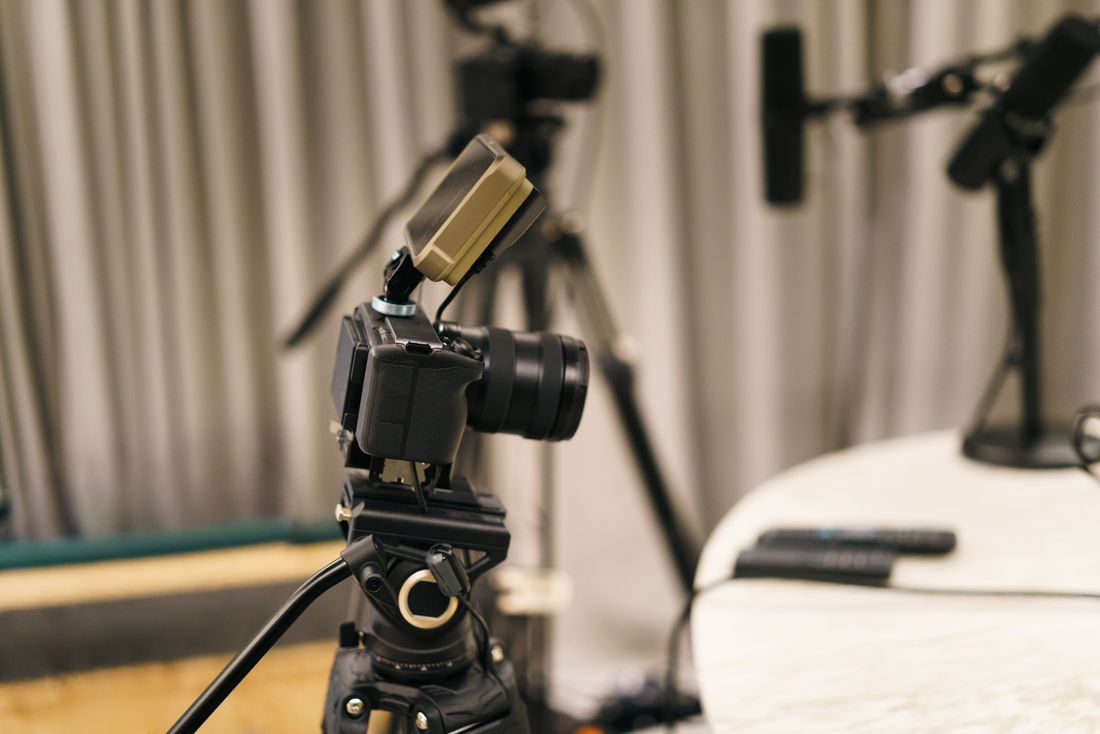
A time-lapse is the most reliably watchable thing an artist can post and one of the easiest ways to make a piece look easier to make than it was. Both of those are true at once, which is why the format deserves more thought than the tripod it usually gets.
A time-lapse helps when the work's development is genuinely legible in compression (layers, construction, transformation) and the speed reveals something a still cannot. It cheapens the work when it flattens weeks of judgment into a magic trick, which is most likely with slow, decision-heavy practices where nothing visibly happens for long stretches.
What a Time-Lapse Is Implicitly Claiming
Every time-lapse makes an argument about how a thing was made: continuously, forward, without much hesitation. That is a fair description of some practices and a serious misrepresentation of others, and the format does not offer a way to say so.
The claim is mostly about time. Compressed footage tells a viewer that this took a while, but it removes any sense of how long a decision took, or that four days passed between two adjacent frames, or that the piece sat facing a wall for a month. What survives is motion, and motion reads as momentum.
That is why the same technique can honor one practice and diminish another. Where making is genuinely accretive and visible (layers going down, a form emerging, a surface being built), compression is an honest summary. Where making is mostly looking, waiting, and small corrections, compression edits out the actual work.
It is worth separating two things that often get conflated: a time-lapse of making, and a time-lapse of a work changing. The first compresses labour, which is where the misrepresentation risk sits. The second (the same view of a piece at intervals across a longer period) compresses development, and it makes a much smaller claim about how the time was spent.
When Time-Lapse Genuinely Serves the Work
It works when transformation is the point. A blank surface becoming an image, a mass becoming a form, a structure assembling. These are cases where a viewer learns something real from watching it happen quickly, and where a still photograph of the finished piece genuinely withholds that information.
It also works when the process contains a stage nobody would guess. Underpainting that disappears, an armature that is later hidden, a colour that governs everything and is never seen in the final work. Compression is a good way to show something that no longer exists in the object, and that is one of the few things this format can do that nothing else can.
And it works for scale. A large piece being made in a small room, a mural going up on a wall, work that requires a ladder or two people. The physical reality of production is often the most surprising thing about it, and speeding it up reads less as a trick when the labour is visible in the frame.
Murals and other large public works are close to an ideal case. The scale is genuinely hard to convey any other way, the process is legible from a distance, and the compression communicates duration honestly because the physical effort remains visible in every frame. It is also often the only record of a piece that will weather or be painted over.
When It Quietly Cheapens the Practice
The failure case is a practice where most of the time goes into judgment rather than action. Compress that and you get a piece appearing almost fully formed with a few quick gestures, which is precisely the opposite of what happened and precisely the impression an artist spends years trying to correct.
It also flattens work whose value is in restraint. A painting that is largely about what was not done does not benefit from footage of the small amount that was, particularly at speed, where every mark reads as decisive and none of the hesitation survives.
There is a market-facing version of this too. Work that reads as fast tends to be valued as fast, fairly or not, and a time-lapse is an unusually efficient way to make careful work look quick. That is not a reason never to post one, but it is worth being conscious that the format is making an argument about labour on your behalf.
There is a subtler version of the problem that affects artists at a specific career stage. An artist establishing that their work is considered rather than decorative is fighting a particular assumption, and a format that makes everything look fluent and quick works directly against that argument. The same clip posted by an artist whose seriousness is already established costs them nothing.
None of this is an argument that process should stay private. It is an argument that the format should match the practice, and that speed is a claim rather than a neutral setting. An artist whose work genuinely arrives quickly and confidently loses nothing by showing it. An artist whose work does not is describing someone else's practice.
The Slower Alternatives Worth Considering First
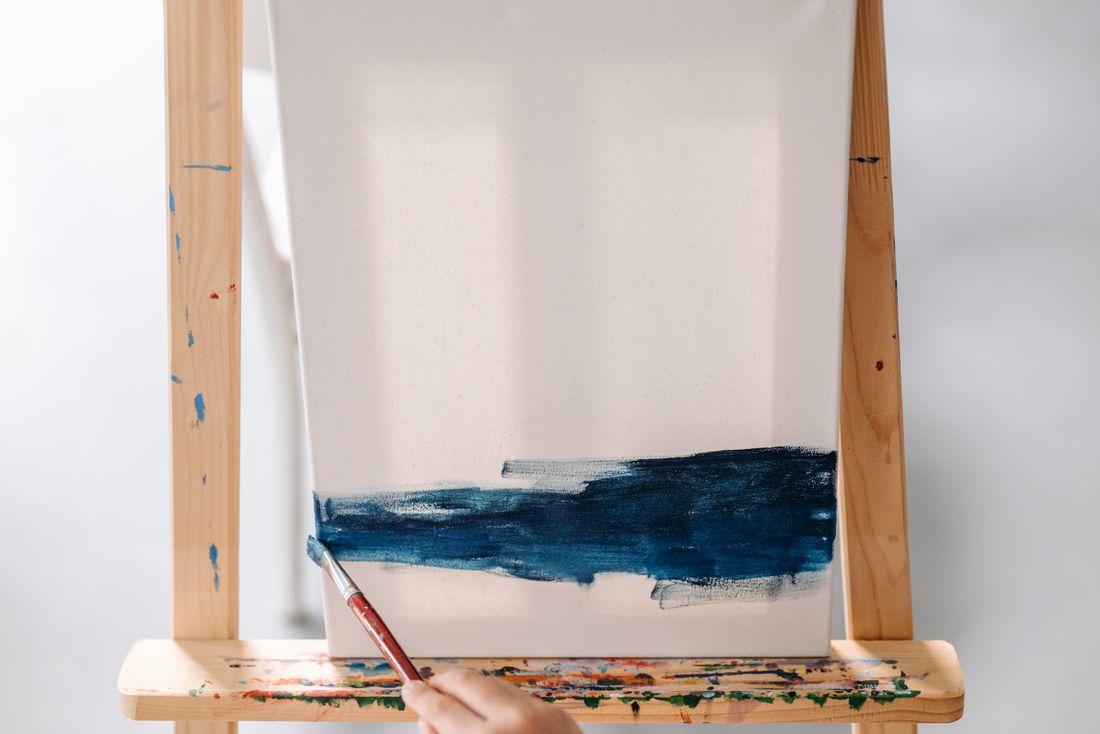
Real-time footage of a small section is often stronger than a time-lapse of the whole. Thirty seconds of a brush actually moving, at actual speed, communicates skill and attention in a way compression cannot, and it makes no claim about how long the piece took.
A sequence of stills at intervals (the same frame photographed at five or six points across weeks) is another option, and frequently a better one for slow practices. It shows development without implying continuity, and it lets a viewer sit with each state rather than watching them blur past.
Detail-first video is the third. A close, slow pass across a surface, with the sound of the material, tends to hold attention better than most process footage and says something about quality rather than speed. For work where craft is the argument, that is usually the more persuasive clip.
If You Do Shoot One, Shoot It Properly
Consistency is what separates a usable time-lapse from an unusable one, and it is almost entirely a setup question. A locked camera position that does not move between sessions, consistent framing, and (the hard one) consistent light. Daylight across a multi-day build produces flicker and colour swings that no amount of editing fully fixes.
For anything spanning more than a day, controlled artificial light is what makes the sequence hold together, even if the artist normally works in daylight. That is a real intrusion into a studio practice, which is one of the honest costs of the format and a reason to decide in advance whether the result justifies it.
Interval choice matters less than people expect, but coverage does. Shooting more than you need is cheap; discovering that the interval was too long during the one session where everything changed is not. It is also worth capturing a clean frame of the finished work from the same position, so the sequence resolves rather than simply stopping.
Battery and storage are the practical failure points on long builds, and they are the reason a promising sequence often has a gap in the middle. Anything running across days needs mains power and enough storage for the full duration, checked at the start rather than discovered at the end. A time-lapse missing its middle third is usually unrecoverable.
The Edit Decides Whether It Reads as Work or Content
Most time-lapses are edited to be satisfying, which pushes them toward the magic-trick register. Slowing down at the moments where something real happens, and letting the sequence breathe rather than running at a uniform speed, does more than any other edit decision to keep it feeling like work.
Sound is the second lever. Trending audio makes any process footage read as content; the room's own sound, or nothing at all, makes it read as documentation. That choice sets the register more forcefully than the footage does, and it is the most common reason a good sequence lands wrong.
Length is the third. Fifteen seconds of a strong section beats ninety seconds of everything, and the temptation is always to include the whole build because the whole build was the effort. The viewer did not do the effort and does not owe it the runtime.
Captioning is the last lever and the cheapest. A single line naming how long the sequence actually covers (three weeks, four sessions, two months) reinstates the information the compression removed, and it costs nothing. It is the simplest available fix for the misrepresentation problem, and it is skipped almost universally.
Where This Kind of Clip Actually Belongs
Process footage is one of the strongest formats for reaching people who do not already follow an artist, which makes it good top-of-feed material and a reasonable thing to post more than occasionally. It is much weaker as the primary way a body of work is presented.
That suggests a proportion rather than a rule. A practice whose feed is mostly time-lapses is training its audience to be interested in the making rather than the work, which is a fine outcome for some artists and a problem for others, particularly those whose work is bought rather than watched.
It also matters where it sits relative to a show. A time-lapse in the weeks before an opening builds genuine anticipation. The same clip posted after the work has been exhibited and sold tends to read as retrospective content, and it competes with the finished piece for attention it no longer needs.
It also matters what sits next to it. A time-lapse posted directly after a strong image of the finished work reads as context; the same clip posted in isolation, week after week, gradually becomes the primary way the practice is understood. The ratio between process and finished work is doing quiet, cumulative work on how an audience values what they are seeing.
A Short Way to Decide
Two questions usually settle it. Would a viewer learn something true about this work by watching it develop quickly? And does the compressed version misrepresent how much of the time was judgment rather than action?
A yes and a no means shoot it. A no and a yes means find another format (real-time detail, an interval sequence, a slow pass across the surface). The middle cases are common, and there the safe answer is usually to shoot a short section rather than the whole build.
The one thing worth avoiding is shooting a time-lapse because the format performs well. It does perform well, reliably, and that is exactly why it is worth asking whether it is describing this particular practice honestly before three weeks of work becomes fifteen seconds of something that looks easy.
Frequently asked questions
Is a time-lapse a good way to show artwork in progress?
It is when transformation is genuinely legible in compression (layers going down, a form emerging, a structure assembling) or when the process contains a stage that no longer exists in the finished piece. It works poorly for practices where most of the time goes into judgment rather than action, because compression edits out the part that was actually the work.
Can a time-lapse make artwork look easier to make than it was?
Yes, and that is the main risk. Compressed footage removes hesitation and reading time, so every mark appears decisive and the piece seems to arrive almost fully formed. Work that reads as fast also tends to be valued as fast. That is not a reason never to post one, but the format is making an argument about labour on the artist's behalf.
What are the alternatives to a time-lapse for process content?
Real-time footage of a small section, which shows skill without claiming anything about duration. A sequence of stills photographed at intervals across weeks, which shows development without implying continuity (usually the better option for slow practices). Or a close, slow pass across a surface with the material's own sound, which argues for quality rather than speed.
What makes a time-lapse technically usable?
A locked camera position that does not move between sessions, consistent framing, and consistent light. Daylight across a multi-day build produces flicker and colour shifts that editing cannot fully fix, so anything spanning more than a day generally needs controlled artificial light. It is also worth capturing a clean frame of the finished work from the same position so the sequence resolves.
Should a time-lapse use trending audio?
That single choice sets the register more than the footage does. Trending audio makes process footage read as content; the room's own sound, or silence, makes it read as documentation. For work where craft is the argument, the room usually wins. Slowing the sequence at the moments where something real happens does more than any other edit decision.
Process footage that respects the process.
We shoot studio and reel content that shows how work actually gets made, including the slow parts, when the slow parts are the point.
Explore social reels →