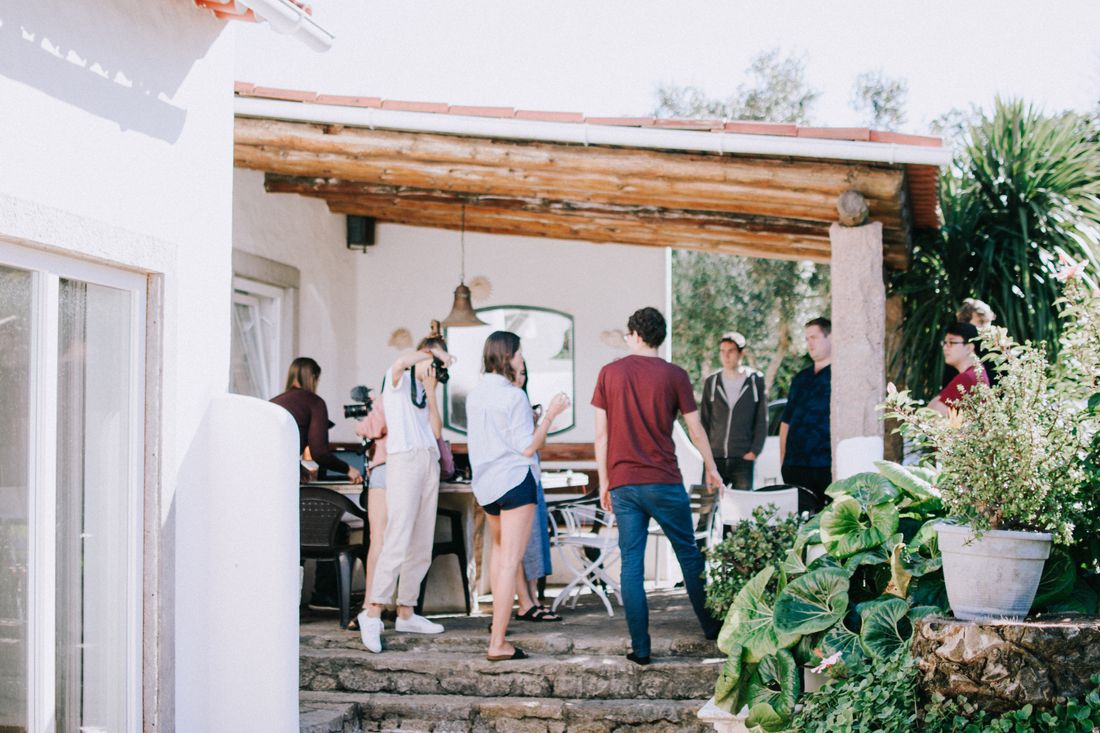
In July and August, the New York gallery calendar doesn't just get quieter downtown. It moves. Seasonal spaces open on the East End, benefits and receptions cluster into a handful of dense weekends, and an opening that would run in gallery dark from six to eight in Chelsea instead runs in full daylight, spilling out of whatever building it's borrowing for the summer. Covering that kind of night means rethinking light, room, crowd, and calendar all at once, not just packing the same kit for a longer drive.
Covering a summer gallery opening out east means shooting in daylight instead of gallery dark, working a room that spills onto grass or gravel, documenting a seasonal building instead of a permanent white cube, and reading a more social crowd, all inside a short, stacked calendar that runs just a couple of months a year.
What Changes About Covering a Gallery Opening Out East?
Everything shifts from a single evening formula to a compressed, sunlit, indoor-outdoor one. Summer openings out east run earlier and lighter, spill onto lawns and gravel drives, live inside converted barns and short-lease storefronts instead of permanent white cubes, and cluster into a handful of dense weekends instead of spreading across a full season.
None of that is a smaller version of a Chelsea opening. It is a different job with the same goal: leave the gallery with images that actually show the work and the night. In the city, the formula is well worn (dim room, controlled light, evening crowd, one door in and out). Move that same opening to the East End in July and every one of those assumptions breaks at once. The sun is still up at six. Half the guests end up outside before the toasts are even poured. The building itself might have been a working barn or a summer storefront lease a month earlier, not a gallery designed for hanging work.
The rest of this covers what that actually means in practice: how the light changes what a camera can do without flash, why the room reads differently when the walls stop being the edge of the event, what a seasonal space demands as a physical building, how a more social summer crowd changes what candid coverage looks like, how to still get clean installation views when the space wasn't built for them, and why a short, stacked calendar makes scheduling the real logistics problem of the season.
Why Does a 6pm Summer Opening Look Different From a City Gallery Evening?
A 6pm opening out east usually runs in full daylight, not the controlled dark of a city gallery evening, so the room reads by whatever the sun is doing outside rather than by track lighting, and habits built around flash-forward city coverage stop producing usable frames.
City gallery coverage leans on a predictable light source: even, artificial, and the same from six until close. Flash becomes a default because the room is dim enough that available light alone won't hold detail past a certain hour. Out east in July, that default works against the room instead of for it. At six, the light through open doors and windows is often brighter and warmer than anything a flash adds, and it changes fast (hard side light at six, flatter and gold by seven thirty, blue and dim by nine).
The practical shift is reading the room's actual light before defaulting to a formula built for a different kind of evening. That means checking where the sun sits relative to the doors and windows, watching how it moves through the space over the two or three hours of the event, and treating the last hour (when the room finally goes properly dark) as its own separate lighting problem rather than an extension of the first. A seasonal space with big windows or open doors holds daylight much longer than a Chelsea storefront ever does, and that extra hour of usable natural light is one of the clearest differences between the two kinds of coverage.
What Happens When the Event Spills Outside the Gallery Walls?
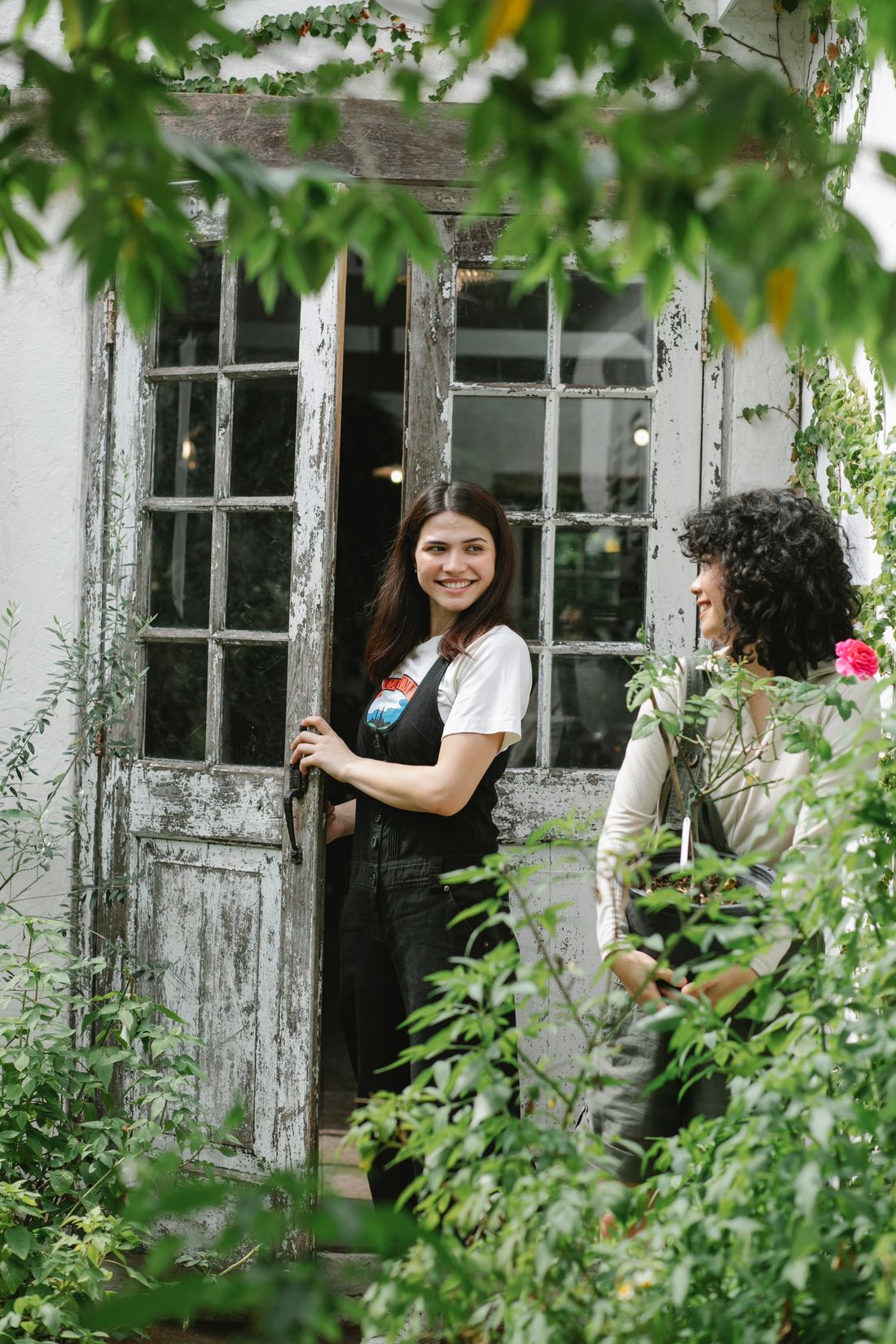
At a seasonal opening, the party is not contained by the walls: doors stay open, guests move onto grass or gravel with drinks in hand, and a meaningful share of the actual event ends up happening in a spot with no art on it, which changes where coverage needs to happen and when.
City galleries have one obvious edge to the event (the storefront glass and the door). Everyone inside is, by definition, near the work. Out east, an opening at a converted barn or a garden property routinely opens every door it has, and the crowd follows the air. People pool by whatever's outside: a lawn, a gravel drive, a covered porch, sometimes a drinks table under a tent. That space usually has zero art on the walls, because there are no walls. It still holds a large share of the night's real energy (the conversations, the greetings, the moments a gallery will want afterward).
Treating that outdoor half as an afterthought is the easiest way to end an evening with a coverage gap. The fix is simple: plan the walk between rooms the way a city opening plans a walk around one floor, alternating time near the work with time in whatever space the crowd has claimed outside. That also means watching how the two areas talk to each other. A frame from just inside an open door, with the art on one side and the lawn on the other, often does more work than a shot fully committed to either side.
What Do Barns, Storefronts, and Tents Require That a Permanent Gallery Doesn't?
A seasonal space is a real building doing a temporary job: a converted barn, a summer-lease storefront, a tent, or a house with the furniture cleared out, and it comes with low beams, uneven floors, and walls that were a different color last month, none of which a permanent gallery has to work around.
Chelsea galleries are built for the job. Ceilings are high enough for even light, floors are level, walls are a consistent white, and the room is designed so nothing competes with the work. A seasonal space out east is almost never any of that. A barn keeps its structural beams and a hay-loft ceiling line. A storefront taken for the summer keeps whatever floor and trim it had as a shop. A tent has guy lines, stakes, and a canvas ceiling that shifts color with the sky. A house turned gallery for a weekend keeps its baseboards, outlets, and window trim.
None of that is a flaw to hide. It is the character of the space, and pretending it's a white cube produces flat, generic frames that could be anywhere. The better approach treats the building as part of the story: a beam crossing behind a painting, uneven floorboards leading toward a sculpture, a tent wall glowing at dusk. It also means walking the space before the crowd arrives, because the things that will complicate a shot (a low doorway, a cord taped to a floor, a folding table that wasn't there last week) are easier to plan around at four than to notice mid-event.
How Does a More Social, Mixed Crowd Change the Coverage?
The summer crowd out east is broader and more social than a typical Chelsea opening: more couples, families, and weekend guests who came for the evening as much as the show, which shifts candid coverage toward the room's mood and away from a narrow line of serious collectors studying the work.
A weeknight opening in the city tends to pull a fairly specific crowd, people who track that gallery, that artist, or that scene, moving through with a certain focus. Out east in summer, the guest list widens. Weekend houses empty into the same few blocks. Friends bring friends who weren't necessarily coming for the art. Benefits and receptions overlap with the same social calendar as dinners and pool parties. The result is a room with more mixed energy: kids sometimes present, more conversation than close looking, drinks doing as much work as the wall text.
That shift changes what candid coverage should chase. A city-opening instinct (close, serious frames of people studying a specific piece) reads thin in a room where most of the night is genuinely social. The more honest version leans into that: groups catching up near the bar, someone laughing on the lawn, the gallerist making an introduction, a kid weaving through legs near the door. Those images are also usually what the gallery ends up using afterward, because they show a season and a community as much as a single show. Documenting the room a gallery actually had, not the room a formula expects, produces material that fits what it will be used for.
How Do You Get Usable Installation Views in a Space Built for Daylight?
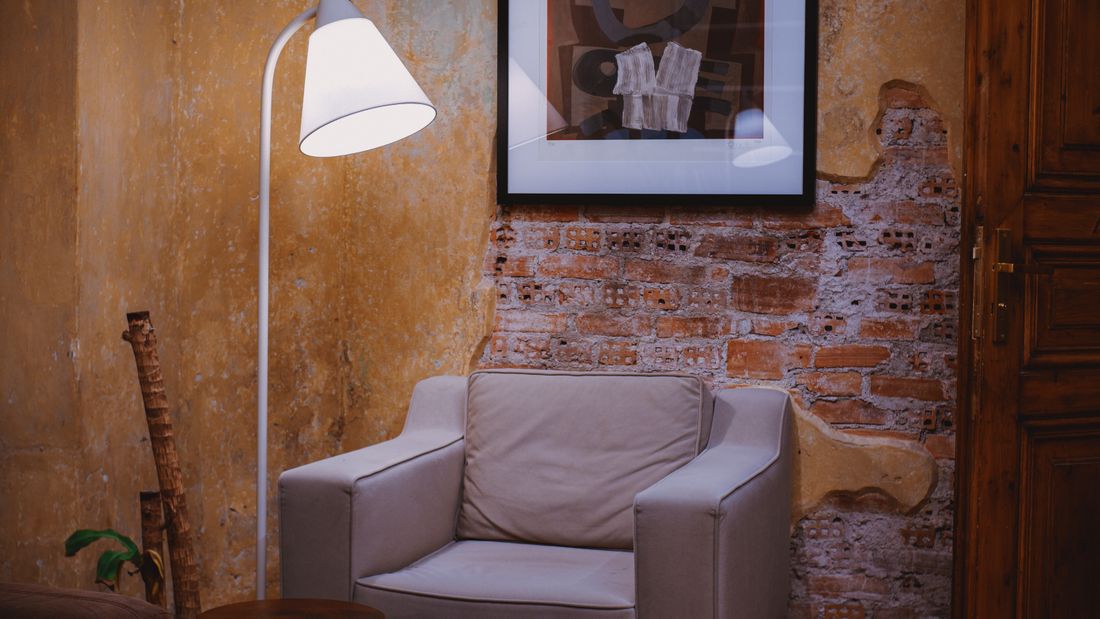
Installation views in a seasonal space still need to isolate the work from the room, but with strong daylight instead of gallery track lighting: shoot early, before the crowd arrives and the light gets harsh, use the room's own uneven walls as context rather than fighting them, and treat glare off windows and doorways as a real variable to manage.
A clean installation view answers one question: what does this piece look like on this wall, at this scale, in this light. In a city gallery, that's a lighting and framing problem, solved with consistent light. In a barn, a storefront, or a tent, daylight does the job instead, and it changes by the hour. A shaft of window light hits one painting hard at eleven and misses it completely by two. The workable window is often narrower than it looks: early, while the light is soft and even, before direct sun or a full room of guests complicates the frame.
Two habits carry most of the difference. Walk the space at the actual hour the shoot will happen, not the hour it's convenient to plan around, because daylight through a real window moves in ways a lighting kit doesn't. And let the room's own texture (rough plaster, a wood beam, an uneven floor) sit in the frame rather than cropping tight to pretend the wall is a white cube. A single canvas photographed against raw barn wood, in clean daylight, reads more honest than the same piece forced into a generic white-wall composition it was never hung against.
Why Does Scheduling Matter More Across a Short Summer Season?
An out-east season runs roughly two months instead of nine, so several openings routinely land on the same few summer weekends instead of spreading across the calendar the way a city season does, which makes scheduling, turnaround, and backup planning matter more than they do the rest of the year.
A city gallery calendar has room to breathe. Openings happen across a full season, and a photographer can generally plan one at a time, deliver, and move to the next without much overlap. Out east, that spacing collapses. Most of the summer's openings, benefits, and receptions land inside the same eight or ten weekends, because the season depends on the same short stretch when the audience is actually around. Two galleries a few miles apart can land the same Saturday night. A benefit and an opening reception can fall on the same weekend without either side planning around the other.
That compression changes what needs to be locked down early. Booking a date months out matters more here than in a city with a longer runway, because the same handful of weekends absorb most of the season's demand. Turnaround matters too. A gallery posting from a Saturday opening wants usable images before the next weekend's event arrives and buries it in the feed. And backup planning matters in a way it rarely does across a slower season: knowing in advance whether a date has flexibility, and having a real plan if two commitments land on the same night, is part of what makes the short season workable instead of a scramble.
What Should You Ask For Before Booking Coverage of a Seasonal Opening?
Before booking coverage of a seasonal opening, confirm the shoot window around actual sunset and daylight rather than a fixed clock time, describe the space in advance so a barn, tent, or storefront isn't a surprise on the day, and settle turnaround up front given how fast the next weekend's opening arrives.
A few specifics make the difference between coverage that fits a seasonal opening and coverage built for the wrong kind of night:
- What time the light actually shifts in the space, not just what the invitation says
- What kind of building this is: barn, storefront, tent, or house, and what it needs from a crew
- How much of the night is expected to happen outdoors
- What turnaround the gallery needs before its next weekend event
It's also worth being upfront about what won't change. The same NYC-based team shows up for the day; there's no local studio or standing presence out east, on Long Island, in Fairfield County, or in Philadelphia, and none of that is needed for the coverage to work. Every private home, collection, and guest list involved stays private (addresses, owners, and named artists on the walls aren't shared beyond what a gallery has already made public). And because the season stacks tight, agreeing on turnaround before the date keeps a gallery's social and press use of the images on schedule instead of trailing the next opening.
Frequently asked questions
Do you need a local studio out east to shoot a summer gallery opening?
No. The Lightroom Studio is an NYC-based team that travels for the day. There's no second studio, address, or standing presence in the Hamptons, Fairfield County, or Philadelphia. For a summer gallery opening, that means the same photographers who cover Chelsea shows drive or take the train out for the event, shoot it, and return, rather than a locally based photographer being hired separately for each region.
How far ahead should a gallery book coverage for the summer season?
Earlier than a typical city booking, ideally as soon as a date is set. Out-east summer season compresses most openings, benefits, and receptions into roughly two months, so the same eight to ten weekends absorb most of the demand. Two nearby galleries can easily land the same Saturday. Booking early protects the date and leaves room to plan around the specific space, the light, and turnaround before the next weekend's opening arrives.
Can you still get clean installation views in a space that wasn't built as a gallery?
Yes, though the approach differs from a permanent white-cube gallery. A barn, storefront, or tent has its own daylight, walls, and floor rather than track lighting and even white surfaces, so installation views work with that texture instead of against it, shooting early, before harsh light or a full crowd, and letting the room's real materials sit in the frame rather than cropping tight to fake a gallery that isn't there.
What happens to coverage if part of the opening moves outside?
Coverage follows the crowd rather than staying fixed on the walls. Seasonal openings routinely spill onto a lawn, gravel drive, or porch once doors open, and a real share of the night's energy happens there, not in front of the art. The shoot plan accounts for that by alternating time near the work with time in whatever outdoor space guests have claimed, instead of treating the moment someone steps outside as coverage ending.
How does a gallery typically use photos from a seasonal opening afterward?
Usually the same way as city gallery photos, just with a wider mix. A seasonal opening tends to produce more social, mixed-crowd images alongside artwork and installation views, and galleries use both: art-forward frames for the show itself, and looser candid shots for social posts that show the season and the community around it. Fast turnaround matters here specifically because the next weekend's opening is often only days away.
One night, two openings, no dropped coverage.
We plan clustered opening nights before they turn into a scramble, whether that means a split schedule, a second shooter, or an early enough booking that the calendar never becomes the problem.
Explore event coverage →