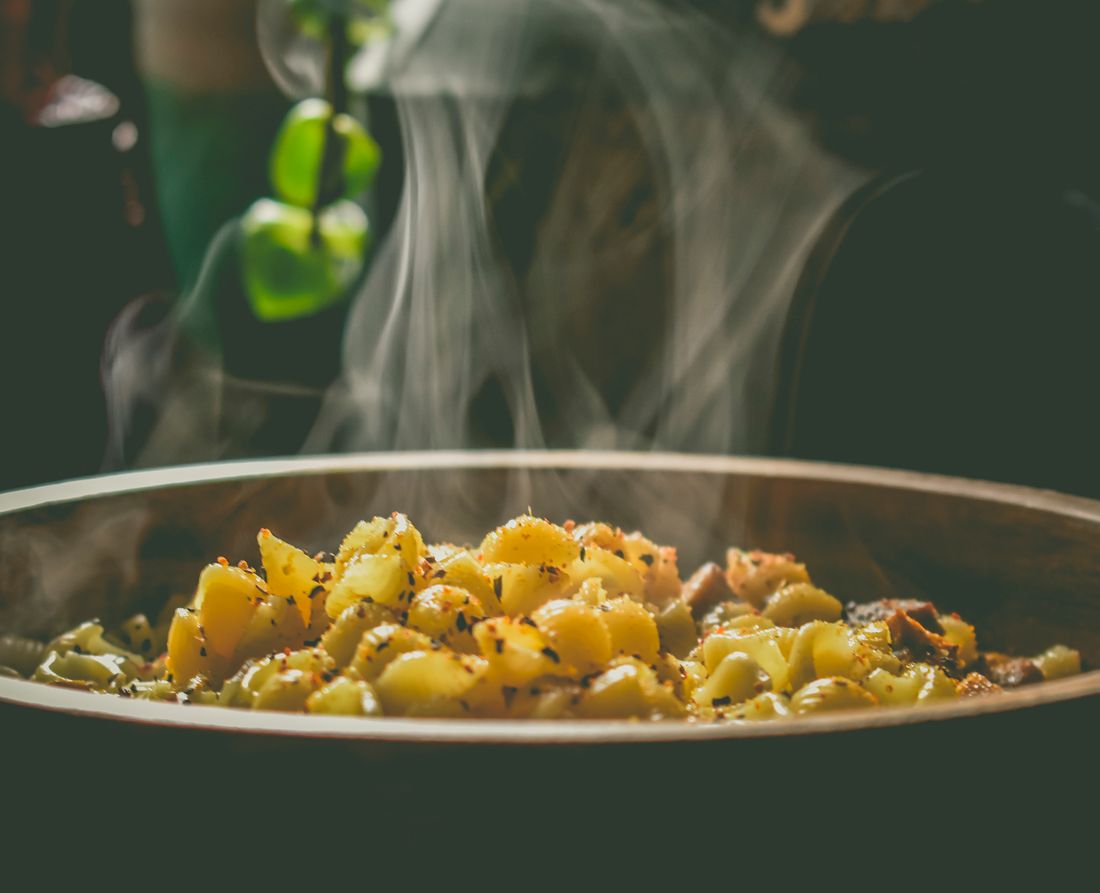
A seasonal menu earns its name by changing, and every time it does, the photography built around the old version quietly stops matching what's actually being served. The room stays the same. The staff stays the same. The plates don't, and that's the part of a restaurant's content library that goes stale first, usually without anyone deciding it should.
A menu that changes three or four times a year strands its own photography almost immediately: the room, staff, and brand imagery keep working, but plated dishes go out of date fast. The fix isn't a full reshoot each time, it's a short, targeted visit for what actually changed, timed with the menu's own development calendar.
What Actually Goes Out of Date When a Menu Changes?
A menu change doesn't just retire a few dishes, it retires the photography of those dishes too. Once a plate is gone from the kitchen, every photo of it becomes a small mismatch between what a guest sees online and what actually shows up at the table, and that gap only widens the longer the old photos stay live.
Most of a restaurant's public identity holds steady between menu changes. The room looks the same, the team is largely the same, and the plating style and lighting a guest remembers from a previous visit don't move on a seasonal schedule. What moves is the food itself, and the food is usually the reason someone clicked through in the first place. A menu that turns over three or four times a year is quietly outrunning its own photography almost as soon as a new season launches.
The mismatch shows up in ordinary places: a delivery app thumbnail for a dish that no longer exists, a social post still pinned from last season, a website gallery built around a plate the kitchen retired months ago. None of it is dishonest on purpose. It's simply what happens when photography gets treated as a one-time task instead of something tied to how often the menu itself actually changes.
A guest who orders from a photo that's no longer accurate isn't a minor inconvenience. It's a small trust cost, repeated every time it happens, on a channel that's supposed to be doing the opposite job.
What Survives a Menu Change and What Doesn't?
Most of a restaurant's imagery survives a menu change untouched. The room, the bar, the team, the logo, and the general mood of the space don't reset every season. What doesn't survive is anything showing a specific plate, because that's the one part of the visual library tied directly to what's actually being served right now.
It helps to sort a restaurant's photo library into two categories before assuming everything needs a reshoot. One category is structural: the dining room, the bar setup, the open kitchen, the exterior, the staff at work, the brand elements that show up across every platform. None of that changes just because the menu did, and reusing it is the right call, not a shortcut.
The other category is the plated dish itself, and that's where a menu change actually bites. A hero shot of a seasonal entree has an expiration date the moment the kitchen stops making it. The same is true for a specific pour, a specific garnish, or a specific presentation built around ingredients that are now out of season. Treating the whole library as equally stale wastes a shoot; treating none of it as stale misleads the guest.
Knowing which category a photo belongs to is what keeps a changeover shoot short instead of turning into a full reshoot of the whole space every time the kitchen adjusts a few plates.
How Often Does a Menu Actually Turn Over?
A seasonal menu commonly changes three or four times a year, roughly once per season, and each change can touch anywhere from a few plates to most of the entree list. That cadence is fast enough that a single shoot from the spring menu is genuinely out of date by the time the fall menu launches.
The exact rhythm depends on the kitchen and the format. Some restaurants rewrite a large share of the menu each season to track what local ingredients are available. Others keep a stable core and rotate a smaller set of specials or seasonal additions around it. Either way, the practical effect on photography is the same: the plates a guest is most likely to order right now are the ones most likely to have changed since the last shoot.
This is different from how most restaurants think about content in general. A room refresh or a rebrand happens rarely enough that reshooting around it feels obviously necessary. A menu change happens often enough, and feels routine enough internally, that it's easy to let the photography lag a season or two behind without anyone deciding that on purpose. The drift is gradual, which is exactly why it goes unnoticed until the gap is wide.
By the time a second season passes without a changeover shoot, most of a restaurant's featured photography is showing food that isn't on the menu anymore, even though everything else about the page still looks current.
How Do You Shoot a Changeover in One Short Visit?
A changeover shoot works best as a short, focused visit built around the new or updated plates only, timed for when the kitchen is actually plating those dishes at service quality. It doesn't need to reset the whole shot list, cover the room again, or rephotograph the team, because that material already exists and still holds up.
Efficiency here comes from scope, not speed. A tight list of what actually changed, built with the kitchen ahead of the visit, keeps the shoot from drifting into recovering plates that survived the update unchanged. The kitchen's own pass sheet for the new menu is usually the fastest way to build that list, since it already separates what's new from what's staying.
Perishable items still set the order of the visit. Anything that wilts, melts, or loses its shape under a heat lamp gets shot first, while the plate is still at the state a guest would actually see it. Garnishes and sauces that separate or dull under light come next, and anything more stable, like a packaged item or a bottled component, can wait until later in the visit without losing anything.
A short, plate-specific visit like this usually clears the new dishes in a fraction of the time a full-menu shoot would take, because the room, the staff, and the brand imagery around it don't need touching. The shorter the shot list, the easier it is to schedule the visit around a real service day instead of asking the kitchen to slow down for it.
Why the Shoot Belongs on the Menu-Development Calendar
A changeover shoot works best when it's booked alongside the menu-development timeline, not after the new menu has already launched. Plating a dish for the camera before it's serving guests, or in its first week of service, produces cleaner results than trying to schedule a shoot around a kitchen that's already running at full pace.
Menu development already runs on a calendar internally: tasting rounds, plating decisions, a soft launch, then full rollout. Slotting a shoot into that existing sequence, usually right after plating is finalized and before the wider service ramps up, means the kitchen is already prepared to plate the dish consistently. Nothing new gets asked of the kitchen; the visit just uses timing that's already happening.
Reacting after launch is the more common pattern, and it's the harder one. Once a new menu is live, plating gets folded into the rush of full service, and finding a slow window to recreate a dish at its best becomes its own scheduling problem. The photos usually arrive weeks after launch, missing the window when the new menu was actually driving the most attention.
Building the shoot into the menu-development calendar removes that lag entirely. It also means the same planning conversation that decides what's going on the menu can decide, in the same breath, what needs to be documented before it changes again. It's a small scheduling shift with an outsized effect on how current the content actually looks.
What Should a Changeover Visit Actually Capture?
A changeover visit typically covers plated stills of the new or updated dishes, a few motion clips of plating or serving in action, and any drink or bar-program updates tied to the new menu. The goal is a small, current library that can be recut across social and other channels, not a single hero image.
Stills alone tend to get used once and then sit unused. A short list of motion clips built at the same time, a plate landing on the pass, a pour, a garnish going on, gives whoever manages the account something to cut into shorter posts for weeks afterward instead of relying on the same still image on repeat.
Framing decisions get made at the shoot, not later in editing. If a clip needs to work as a vertical post, that has to be decided while the camera is set up, because cropping a wide shot down after the fact usually cuts off the plate or the pour that made the clip worth using in the first place.
Covering the new dishes this way, stills and motion together, in one visit, means the resulting library stretches further than a single hero photo ever could, without adding a second trip back into the kitchen. When the menu includes a new beverage or a reworked bar offering, that gets folded into the same visit rather than treated as a separate shoot, since it's changing on the same calendar as the food.
When Does a Recurring Arrangement Actually Make Sense?
A recurring content arrangement tends to make sense when a menu changes on a predictable seasonal schedule and the content library needs regular refreshing to stay accurate, not just once but every time the kitchen rotates. If the changes are frequent and expected, planning content around that rhythm in advance avoids repeatedly starting from scratch.
The clearest sign is a menu that changes on a schedule the kitchen already knows in advance: seasonal rotations, planned specials, a beverage program that refreshes alongside the food. When the calendar is already predictable, a standing arrangement just mirrors it, so the content planning happens at the same time as the menu planning instead of trailing behind it every time.
A second sign is how the content actually gets used. A restaurant posting regularly across social, updating a website gallery, and keeping delivery-platform photos current has an ongoing need that a single shoot can't cover for long. If the library needs restocking every few months regardless of the menu, a recurring rhythm removes the repeated back-and-forth of booking each visit separately.
Planning ahead like this also tends to produce a more useful library overall, since each visit can be built around what the last one covered instead of starting the shot list over from nothing. It's worth naming honestly: this only pays off when the changes are actually frequent enough to justify the rhythm, not when a menu barely moves season to season.
When Is It Fine to Book Each Changeover on Its Own?
Booking each changeover as its own visit is the honest choice when a menu only shifts once or twice a year, or when changes are minor enough that most of the existing library still holds up. Forcing a recurring arrangement onto an infrequent, small menu just adds a standing commitment without a matching amount of actual change to document.
A menu with a light seasonal touch, a couple of specials swapped, a handful of dishes adjusted, doesn't generate enough new material to justify planning content around it in advance. Booking that kind of changeover as a standalone visit, timed to when the new dishes are actually ready, covers the real need without carrying a commitment the menu doesn't earn.
This is also the right starting point for a restaurant that hasn't worked with a photographer or videographer on a recurring basis before. Booking one changeover on its own is a low-commitment way to see how the process actually fits into a real service day, what the turnaround looks like, and whether the resulting library gets used, before deciding whether a standing rhythm is worth setting up.
Either path is a reasonable way to keep a menu's photography honest. The right one just depends on how often the kitchen actually changes what's on the table, not on which option sounds more organized. Neither choice is a downgrade from the other; they solve for different menus.
Frequently asked questions
How often should a restaurant reshoot its menu photos?
Most restaurants that run a true seasonal menu, changing three or four times a year, get the most value from reshooting alongside each change rather than on a fixed calendar. A menu that only shifts once or twice a year can usually go longer between visits. The right cadence follows how often the plates themselves change, not a generic schedule, since photography only goes stale when what's on the table actually does.
Do we need to reshoot every dish, or just the new ones?
Just the dishes that actually changed. A restaurant's room, staff, bar setup, and brand imagery don't reset with a new menu, so reusing that material is the right call, not a shortcut. What needs new photography is anything showing a specific plate, pour, or garnish tied to what's actually being served right now, since that's the part of the library guests actually judge against what arrives at the table.
How long does a menu changeover shoot take?
A changeover shoot is typically shorter than a full menu shoot because it only covers what actually changed. Scope, not the number of dishes alone, drives the length: a tight list built with the kitchen ahead of time, shot in order of what wilts or melts fastest, usually clears the new dishes well before service ramps up, without needing to touch the room, staff, or existing brand photography again.
What happens to old photos of dishes we no longer serve?
They usually need to come down from anywhere a guest might order from: delivery platforms, pinned social posts, website galleries, since a photo of a retired dish quietly sets an expectation the kitchen can't meet anymore. The room, staff, and brand photography from the same shoot are unaffected and can keep running. Only the plate-specific images tied to the dish that's gone need retiring alongside it.
Is a recurring content arrangement worth it for a small menu change?
Usually not on its own. A recurring arrangement earns its keep when a menu changes often and predictably enough that content planning benefits from following the same calendar. A single, light seasonal tweak, a couple of specials swapped, a few dishes adjusted, is normally better served by booking that one changeover as its own visit rather than committing to a standing rhythm the menu doesn't actually generate enough change to justify.
Not every month has an opening, but the feed still needs to run.
We plan content for the ordinary weeks as carefully as the big nights, mixing archive work with what's actually going on in the gallery.
Explore monthly media →