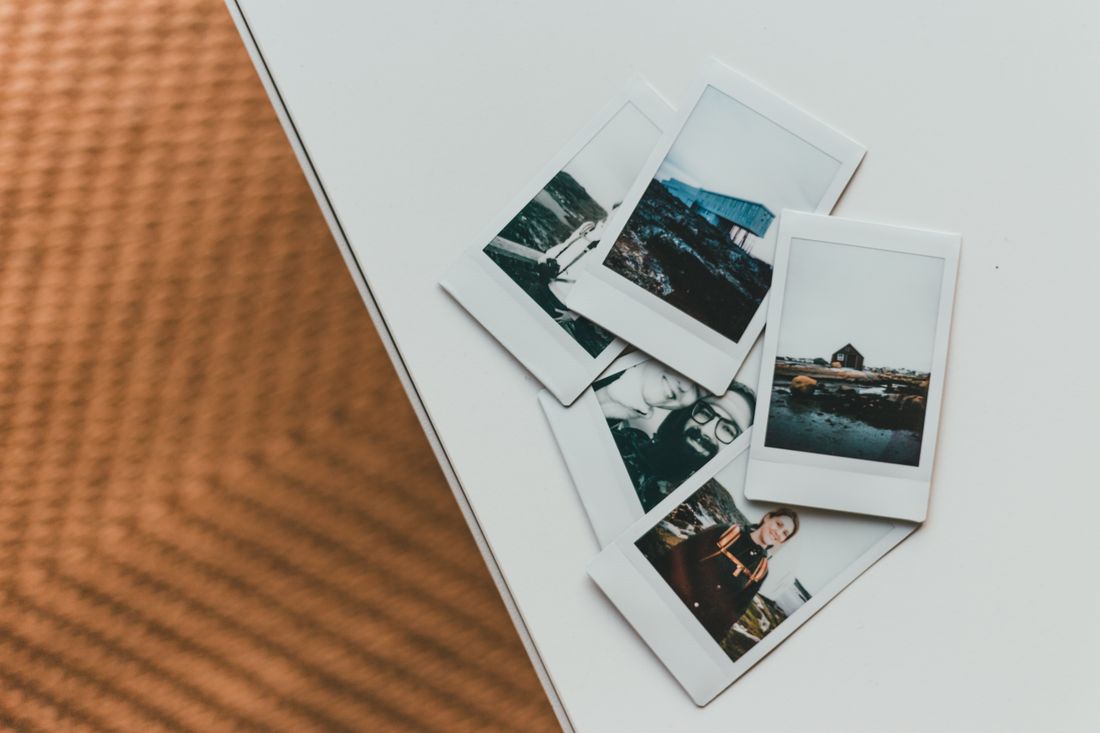
Posting the strongest work first is usually the obvious editorial call. In a group show, it is also the fastest way to make every other artist feel ranked, whether the gallery meant it that way or not.
A group show's feed doubles as a scoreboard nobody agreed to keep, and every artist on the roster is watching it. The fix is not avoiding a posting order, which is impossible on a sequential feed, but deciding that order on purpose before the opening, backed by a coverage floor every artist can count on.
Why does posting order in a group show feel like ranking?
Posting order reads as ranking because a feed is sequential and a gallery is not. Whoever appears first looks like the lead artist, whoever appears last looks like an afterthought, and no caption disclaims that impression. The order was never meant to rank anyone, but the format reads it that way regardless.
In a solo show, the feed is straightforward promotion. There is one artist, and every post builds toward the same name. A group show changes the math. The feed becomes a shared surface with five, eight, or a dozen artists on it, and each of them is checking it the way a person checks a group photo: not for the room, but for where they landed in the frame.
Posting the strongest work first is usually the obvious editorial call. It is also the fastest way to make everyone else feel measured against it, even when the gallery never sat down and decided to rank anyone. Nobody wrote a memo. The sequence did the ranking on its own, one post at a time, because that is what sequences do.
None of this means order should be avoided. A feed cannot post everything at once, so something always goes first and something always goes last. The useful move is treating that sequence as a real decision instead of a byproduct, made on purpose before the run starts rather than discovered by the artists after it has already shipped.
Should the posting sequence be planned before the opening?
Yes. Deciding the posting order before the opening turns a pressure-filled, improvised call into a plan the gallery can explain if anyone asks. Building the sequence in advance, against the checklist and the calendar rather than the mood of opening night, keeps the choice grounded in practical reasons instead of whoever happened to photograph best that evening.
Improvising the order during the run usually means posting whatever image looks best on the night it was taken, which quietly rewards whichever piece caught the best light or stood closest to the crowd. That is not a judgment about the work. It is a fact about where a table was set up or which wall caught the evening sun, and it is a strange thing to let decide who reads as the lead artist.
A pre-built sequence can still leave room for what actually happens on the night. Plan the rough order around install week, opening night, and the run in between, then let strong unplanned moments slot into open dates instead of overriding the whole plan. The point is not a rigid script. It is knowing, before the first post goes up, roughly where every artist lands and why.
Writing the sequence down also makes it something the gallery can revisit and adjust deliberately, rather than defend after the fact. A plan that can be changed on purpose reads very differently from an order that just happened.
How do you balance equal coverage with editorial judgment?
Hold both by separating them into two different jobs. Set a coverage floor that guarantees every artist gets a usable post regardless of how their work photographs, then apply editorial judgment on top of that floor, not instead of it, when deciding what leads, what gets a longer caption, or what earns a second post.
The floor is the non-negotiable part: every artist in the show gets at least one clean, well-lit, individually credited post over the run. Not a shared corner of a group shot, not a blurry cutaway, an actual frame that represents the piece the way it deserves to be seen. That floor exists regardless of whether the work is the most photogenic thing in the room.
Editorial judgment lives above the floor. Some pieces genuinely photograph better than others. Reflective surfaces, dense installations, and work that depends on scale in person are harder to make sing in a square crop, and pretending otherwise does not help the artist whose work needs the extra effort. The gallery can lean into what reads well without leaving anyone below the floor.
Naming both parts out loud, even just internally, keeps the two from blurring into each other. A floor protects the artists who did not get the flattering light. Judgment protects the feed from posting only for the sake of evenness. A show needs both running at once, not one traded for the other.
What has to be captured on the day no matter what gets posted?
Every artist needs a clean, individual, well-lit image of their own piece captured on install day or before the opening, independent of whatever the gallery ends up posting. That baseline shot is what makes the equal-coverage floor possible later. Without it, an editorial decision about what to post first quietly becomes a decision about who gets photographed at all.
The shot list for a group show should treat individual coverage as separate from event coverage. Opening night coverage captures the room: the crowd, the energy, the mingling. That footage is valuable, but it naturally favors whoever's work sat in the busiest corner or caught people mid-conversation. It cannot substitute for a documentation-style shot of each piece on its own.
Capturing that baseline early, ideally during install or a quiet walkthrough before doors open, also removes the awkward problem of trying to isolate one artist's piece from a packed room later. A quiet frame taken before the crowd arrives is usually cleaner and more flattering than anything grabbed mid-event, and it means the gallery is never scrambling on closing week to find something usable for the one artist who got the least attention.
Once that baseline exists for everyone, the feed's editorial choices about sequencing and emphasis stop being existential for any single artist. There is already something honest and usable in reserve, which changes what posting order actually risks.
Can carousels or grid posts avoid the ordering problem?
Carousels and grid posts let a gallery publish several artists in one post without any one of them reading as first. A multi-image carousel spreads attention across a swipe instead of a scroll, and a grid post presents several pieces at once, which is often a better match for a group show than trying to sequence five separate single-artist posts.
A carousel still has a first slide, and the first slide still gets the most attention, so it is not a perfect equalizer. What it does is lower the stakes of any single choice. Being slide four of six in one carousel reads very differently than being the fourth artist posted out of six separate posts spread across two weeks. The comparison collapses into one post instead of stretching across the whole run.
Grid and carousel formats work best as a complement to individual posts, not a replacement for them. Every artist still needs their own dedicated moment somewhere in the run, the kind of post that is unmistakably about their piece and nothing else. Group formats are a way to acknowledge everyone quickly and often, which is useful between the individual posts, not a substitute for having them.
Rotating who appears first in a carousel across a show's multiple group posts is a simple way to spread even that small first-slide advantage around, rather than letting the same name lead every group post by default.
What does tagging and credit discipline actually require?
Tagging discipline means every artist gets consistent, accurate credit in the caption and the tag every time their work appears, including artists who are not on the platform themselves. Consistency matters more than any single tag: an artist who is tagged once and then named only in passing later will notice the difference, even if nobody intended one.
For artists who do not have an account, credit still belongs in the visible caption text, spelled correctly, every time, rather than assuming a tag alone would have covered it anyway. It is easy to let an untaggable artist quietly drift toward less consistent credit simply because there is no notification to remind anyone. Written credit does not depend on a platform account to matter.
Group shows also raise the shared-image problem: a piece shown alongside others in a wide install shot needs every artist in frame credited, not just the one whose work happens to be sharpest or most centered. A caption that names four of five artists in a five-artist install shot reads as an oversight to everyone, including the artist who was named.
Keeping a simple running list of who has been tagged, credited, and posted individually so far in the run makes this easy to check rather than easy to guess at. It turns credit discipline into something the gallery can verify, not just something it intends.
Who gets the opening-night crowd shot versus the quiet install frame?
The crowd frame and the quiet install frame carry different weight, so both deserve a fair rotation rather than defaulting to whoever's corner was busiest. The crowd shot looks energetic and social; the quiet install frame looks considered and serious. Neither is objectively the better post, but consistently giving one artist the lively frame and another the empty room reads as a preference.
Crowd density at an opening is mostly circumstantial. People cluster near the entrance, the bar, or wherever a friend group happens to be standing, which has little to do with which piece deserves the liveliest photo. Treating the busiest corner of the room as the natural lead risks rewarding foot traffic instead of the show.
A related problem shows up when an artist posts their own phone photo of their piece before the gallery posts anything. That is not a conflict to manage, just a sequencing fact: the gallery's post is still worth publishing on its own timeline and with its own quality, and does not need to race the artist's post or treat it as having claimed the spot. The two posts serve different audiences and can simply coexist.
Planning ahead of time which artists get paired with crowd energy and which get paired with the quieter, more considered frame, and rotating that pairing across the run, keeps either treatment from reading as a verdict on the work itself.
What happens in closing week for artists who got less coverage?
Closing week is the built-in opportunity to catch up any artist whose coverage ran thin earlier in the show, using the baseline images already captured during install so nothing has to be improvised at the last minute. A short review partway through the run, checking who has been posted and how often, makes this a planned step rather than a last-minute scramble.
Because every artist already has a clean individual frame from install day, closing week does not depend on getting back into the space or arranging a new shoot. It is a scheduling and posting decision, not a production one. That is exactly why the baseline coverage matters as much as it does earlier in this piece: it is what makes a fair closing week possible without extra effort.
Telling artists in advance that a closing-week catch-up is part of the plan changes how the whole run feels to watch. Knowing there is a deliberate final pass removes the pressure to read early posting order as the final word, because it visibly is not the final word. A quiet install week does not have to feel like a loss if everyone already knows a later post is coming.
This is also where a gallery can simply say plainly, ahead of time, that every artist will get individual coverage over the run and that the order posts in is not a ranking, so nobody has to work that out by counting.
Frequently asked questions
Does posting order in a group show actually mean anything?
Not on its own. A gallery can plan posting order around practical factors like install timing, available light, and the shot list rather than any ranking of the artists involved. The order matters mainly because it gets read as meaning something whether or not it was meant to, so it is worth deciding on purpose ahead of time instead of leaving it to whatever image happens to get posted first.
How many posts does each artist need during a group show?
There is no fixed number, but every artist should get at least one clean, individually credited post somewhere over the run, on top of any group carousels, grid posts, or crowd shots that include several artists at once. That coverage floor is what keeps editorial judgment about what photographs well from quietly turning into a decision about who gets meaningful, individual coverage at all during the show.
Should the gallery ask artists to avoid posting their own work first?
No. Asking artists to hold off on their own posts is not a service a gallery needs to provide, and it puts the gallery in the position of managing something outside its control. The gallery's own post stands on its own timeline, at its own quality, and does not need to compete with or precede whatever an artist chooses to share from their own phone.
What if one artist's work just photographs better than the rest?
That is normal, and worth acknowledging rather than working around. Editorial judgment about what actually reads well on a feed can sit on top of an equal-coverage floor without conflicting with it. The floor guarantees every artist gets at least one usable, individually credited post; judgment decides what leads or gets extra emphasis, and the two can run at the same time without one canceling out the other.
How should a gallery credit an artist who isn't on social media?
Write their name clearly in the visible caption every time their work appears, the same as any tagged artist, rather than treating a missing account as a reason for lighter or less consistent credit. Written credit in the caption text itself does not depend on having a platform account to receive it, and consistency across the whole run matters more than getting any single post exactly right.
The weeks between openings need content too.
We help galleries fill the quiet stretches with real material, pulled from the archive, planned ahead, and honest about what's actually happening that month.
Explore monthly media →