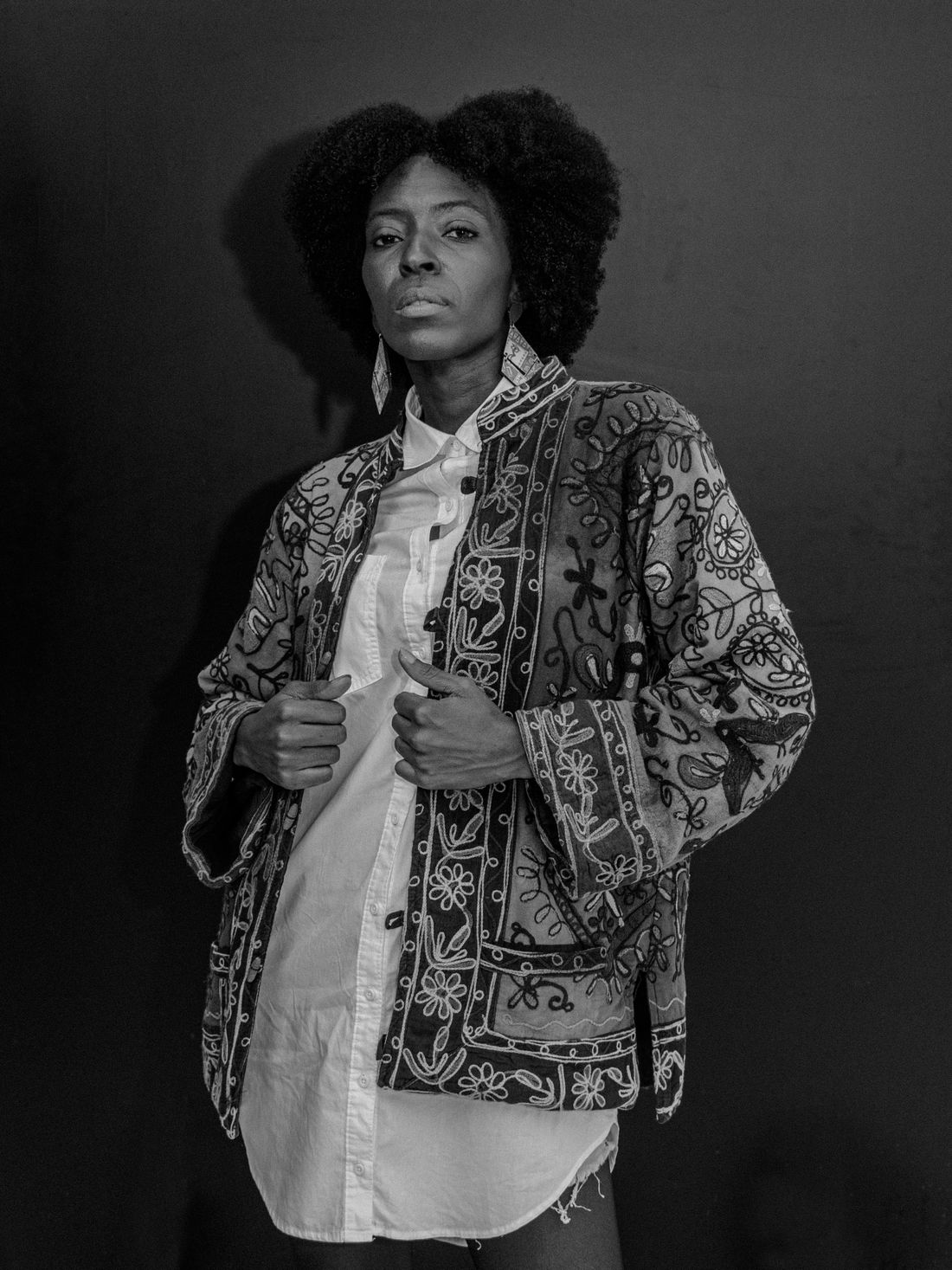
A portrait that felt current in January can look like a different person by December, not because anything went wrong with it, but because a full season of openings, studio visits, and press has quietly changed how an artist looks and talks about their own work. The end of a heavy show year is a practical, calendar-driven reason to book a new one, distinct from a portrait simply getting old. What that timing actually changes about the session is worth understanding before the new year's press kits and mailing lists go out.
The end of a show season is a natural time for an artist to refresh a portrait because a busy year of exhibitions tends to visibly change how someone presents, not because the old photo has aged on a calendar. Booking it in that window, ahead of January planning, gives press kits, bios, and gallery mailing lists a current image before a new cycle of announcements starts.
Why the End of a Show Season Is a Natural Time to Refresh a Portrait
A heavy show season is a practical reason to book a new portrait, not a vanity one: a year of openings, studio visits, and press appearances tends to change how an artist looks, dresses, and talks about their work, and the portrait still attached to a bio or mailing list often predates all of that change.
The shift is rarely dramatic in any single month. It shows up gradually, across a run of exhibitions, in small ways: a different way of describing the work after explaining it to gallery visitors dozens of times, a wardrobe that settled into something more deliberate than it was in January, a haircut or a studio that looks nothing like it did before the season started. None of that shows up in the existing portrait, because the portrait was taken before any of it happened.
Framing this as a seasonal trigger rather than a birthday or an anniversary matters, because it ties the decision to something concrete: a specific stretch of visible, professional change rather than a vague sense that enough time has passed. An artist finishing a run of shows has just lived through the exact kind of change that makes an old portrait feel out of step, which is a much more useful signal than counting years since the last shoot.
That's also what makes the end of the season the right moment, rather than the middle of it. Waiting until the busiest stretch is over means the portrait reflects the artist as they've actually become through the season, not as they were heading into it.
How This Trigger Differs From a Portrait Simply Getting Older
This timing is a different reason to book than a portrait that has simply aged. An old portrait can still look accurate; it just looks dated next to newer work. A portrait that no longer matches a full season of visible change is a separate problem, tied to a specific stretch of time rather than the slow passage of years.
A portrait that has aged usually still resembles the artist reasonably well. The lighting might feel dated, the crop might not suit current formats, or the technical quality might lag behind newer work on a site or in a press kit, but the person in the photo still looks like the person walking into a gallery today. That's a refresh problem, and it can happen at any point, unrelated to any particular season.
An end-of-year portrait tied to a show season is answering a narrower, more specific question: does this photo still reflect who showed up to openings and press conversations this year. The gap it closes isn't about the image looking old. It's about the image no longer matching a version of the artist that gallery visitors and press contacts have been seeing in person all season.
Naming the actual trigger matters for the session itself. A photographer briefed on a general refresh treats the goal differently than one briefed on capturing a specific season's worth of change, and that difference shapes the conversation before the camera is even set up.
What Actually Changes About an Artist Over a Full Show Season
Over a full show season, the things that most visibly change are presentation and delivery: how an artist dresses for openings, how they describe their work after explaining it in person dozens of times, and the physical state of the studio itself. All three can drift a long way from where they were at the start of the year.
Wardrobe tends to settle rather than transform. An artist who wore whatever felt comfortable to an early opening often arrives at the last one of the season in something more considered, because a season of public appearances has a way of clarifying what actually feels right to wear in front of a room. That settled version is usually more current than whatever the existing portrait shows.
How an artist talks about the work changes too, even if the work itself hasn't. Explaining the same body of work to collectors, press, and gallery visitors across several openings tends to sharpen the language an artist reaches for, and that sharper framing often shows up in how someone carries themselves in front of a camera, not just in what they say.
The studio itself is worth naming separately, since it's the backdrop most existing portraits were shot against. A studio at the end of a demanding show season rarely looks the way it did in January, and a portrait shot in it now will read as more current for that reason alone.
How Briefing This Session Differs From One Tied to a Single Event
Briefing an end-of-season portrait means reviewing a whole year of change rather than describing one specific milestone. A portrait timed to a single event, a fellowship announcement or a major placement, has one clear thing to communicate. This session has several smaller ones layered together, and the brief has to hold all of them at once.
With a single-event trigger, the conversation is narrow by design: what does this specific announcement need the portrait to say, and how quickly does it need to be ready. An end-of-season portrait doesn't have that single anchor. Instead, the useful questions are broader: what changed across the season, which of those changes matter most for how the artist wants to be seen going into the new year, and what does the portrait need to do across several different uses at once.
That breadth changes what's worth discussing before the shoot. Rather than optimizing for one specific announcement, the conversation covers the range of places the new portrait will actually live, press kits, gallery mailing lists, an artist's own bio, since none of those uses is more urgent than the others the way a single-event portrait's purpose usually is.
It also means there's more room to talk honestly about what changed over the season, rather than building the whole session around a single piece of news. That's a genuinely different kind of pre-shoot conversation, even when the resulting portrait looks similar to any other.
What to Bring Into an End-of-Season Portrait Briefing
A useful briefing for this kind of session covers where the portrait will actually be used going into the new year: press kits, a gallery's mailing list header, an artist's own bio page. Naming those uses upfront shapes decisions about crop, background, and framing that are hard to fix after the fact.
Press kits usually need a portrait that can be cropped tightly for a small thumbnail without losing clarity, since that's often how the image gets used across different publications and formats. A gallery mailing list header tends to want a slightly wider frame that leaves room for text or a header treatment. An artist's own bio page has the most flexibility, since it's a format the artist controls directly.
It also helps to name, plainly, what changed over the season before the shoot starts: a new body of work, a shift in how the artist wants to be described, a studio that's been reorganized since the last portrait. None of that needs to appear literally in the frame, but it gives the session a clear sense of what the new portrait is meant to replace and why.
Bringing a short list of where the current portrait already lives, which press kit, which mailing list, which bio, also helps clarify what needs to be updated once the new one exists, so the refresh doesn't end with one new photo and several outdated ones still circulating.
Why Late-Year Timing Changes Turnaround Expectations
Booking this session late in the year, after a show season winds down and before January planning starts, means turnaround matters more than it would at a quieter time. Press kits and mailing lists tend to get updated on a new-year cycle, so a portrait delivered even a few weeks late can miss that window entirely.
This is less about any single hard deadline and more about a general crunch: a lot of artists and galleries are trying to refresh materials in the same narrow stretch between the last show of the year and the first announcements of the next one. Booking early in that window, rather than waiting until the last week of December, gives more room for a realistic delivery timeline that still lands before anything needs to go out.
It's worth being specific, during booking, about which use is most time-sensitive. A portrait needed for a gallery's January mailing list has a harder deadline than one meant mainly for a personal bio page that can be swapped in whenever it's ready. Naming that upfront lets the schedule reflect what actually needs to be first.
Because this is a predictable seasonal moment rather than a surprise, it's also one of the easier sessions to plan around well in advance, which tends to produce a calmer shoot than a portrait booked in a scramble around a single, fast-approaching deadline.
What This Portrait Needs to Work Across, Not Just One Use
An end-of-season portrait needs to hold up across several different uses at once, a press kit, a mailing list, a bio, rather than being optimized for a single purpose the way an event-specific portrait can be. That versatility is one of the clearer practical differences in how the session gets planned.
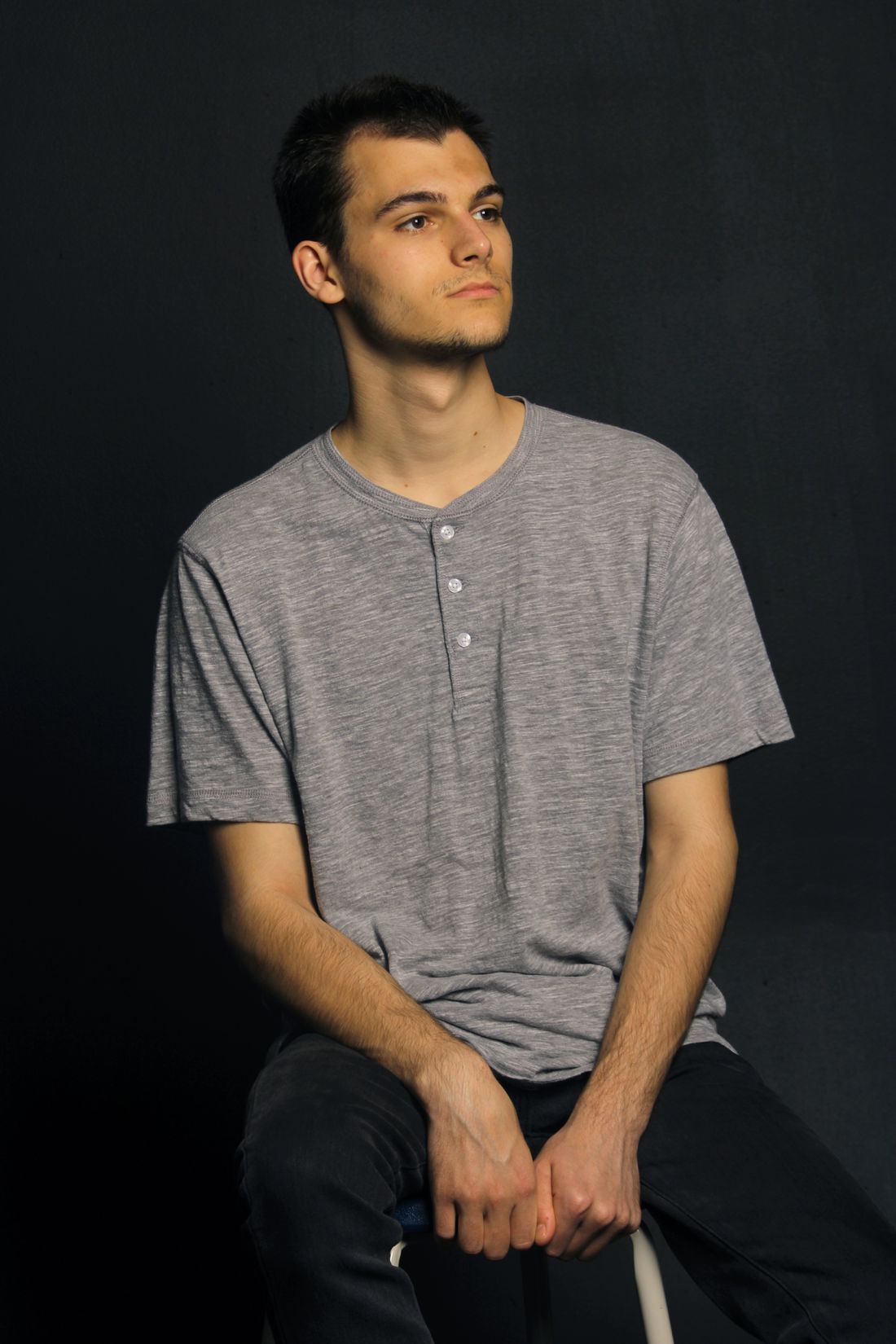
A generic, relaxed pose in a recognizable but uncluttered setting tends to travel better across these uses than something posed or thematic to a specific announcement. A press editor cropping the image for a small thumbnail, a gallery dropping it into a mailing list header, and an artist using it on their own site all need the photo to hold together without a caption explaining what it's for.
That's also why the setting matters more than any single gesture or expression in this kind of portrait. A studio backdrop that reads clearly as a working space, without depending on any one prop or pose to carry meaning, gives the image room to be reused in contexts that weren't necessarily anticipated when the photo was taken.
None of this means the portrait should feel neutral or stripped of personality. It means the personality needs to come through in ways that hold up outside of one specific context, since that's exactly what a portrait meant to serve an entire new year of materials is being asked to do. A single strong, versatile frame usually does more work here than several narrower options built for one use apiece.
How to Know the End of a Show Season Is the Right Moment
The clearest signal it's time is a simple comparison: does the current portrait still look like the person who just finished the season, or does it look like an earlier version of them. If the honest answer is the latter, the end of the season is a natural, low-pressure moment to close that gap before the new year starts.
It helps to look at the practical evidence rather than a general feeling. Photos from recent openings, studio visits, or press appearances tend to be the most useful comparison point, since they show how the artist has actually been presenting throughout the season, not how they remember presenting at the start of it.
This is also a good moment to check whether the portrait's actual uses have changed. An artist who added a new gallery relationship, a new body of work, or a new bio note over the season may find the existing portrait was built for a version of their practice that's already shifted, independent of how the person themselves looks.
There's no need to wait for a dramatic before-and-after to justify the decision. A season's worth of gradual, visible change is reason enough, and booking at the natural close of that season, rather than mid-way through the next one, keeps the new portrait ahead of the materials that depend on it instead of catching up to them.
Frequently asked questions
How is an end-of-season portrait different from a regular portrait refresh?
A regular refresh responds to a portrait simply aging over time, unrelated to any specific period, sometimes just a general sense that the image looks dated next to newer work. This one responds to a full show season's worth of visible change, wardrobe, studio, how the artist talks about their work, concentrated into one calendar-driven window. Both result in a new portrait, but the reason for booking, and what gets discussed in the briefing beforehand, differs meaningfully between the two.
When is the best time to book a portrait session tied to the end of a show season?
Booking shortly after the last exhibition of the season wraps, and well before January planning begins, gives the most room for a realistic delivery timeline. Waiting until the final week of December means competing for scheduling with everyone else refreshing materials on the same new-year cycle, which can push delivery past when press kits or mailing lists actually need the new portrait ready to go.
Does this portrait replace the one used for a specific event, like a fellowship announcement?
No, they serve different purposes. A single-event portrait is built around one specific announcement's timing and message, meant to answer one piece of news as it happens. An end-of-season portrait is meant to work across several ongoing uses, press kits, bios, mailing lists, rather than one moment, so most artists end up keeping both kinds of portrait in rotation depending on what's actually happening in a given year.
What should an artist bring to the briefing for this kind of session?
A short list of where the current portrait is used, press kit, mailing list, bio, plus a plain account of what changed over the season: new work, a different way of describing the practice, a reorganized studio. That information shapes crop, framing, and setting decisions more usefully than general direction about mood or style alone, and it keeps the session focused on what actually needs updating.
Does the portrait need to look different from what came before it?
Not necessarily. The goal is accuracy to where the artist actually is now, not a reinvention of how they present themselves to a gallery or press contact. A generic, relaxed setting that still reads as the artist's own studio or working space usually serves this purpose better than a dramatically new concept, since the portrait needs to work across several uses at once rather than announce a change on its own.
A portrait that's aged doesn't always need a full reshoot.
We'll look at what you have and tell you honestly whether a refresh session covers it or the work calls for a new concept.
Explore portrait sessions →