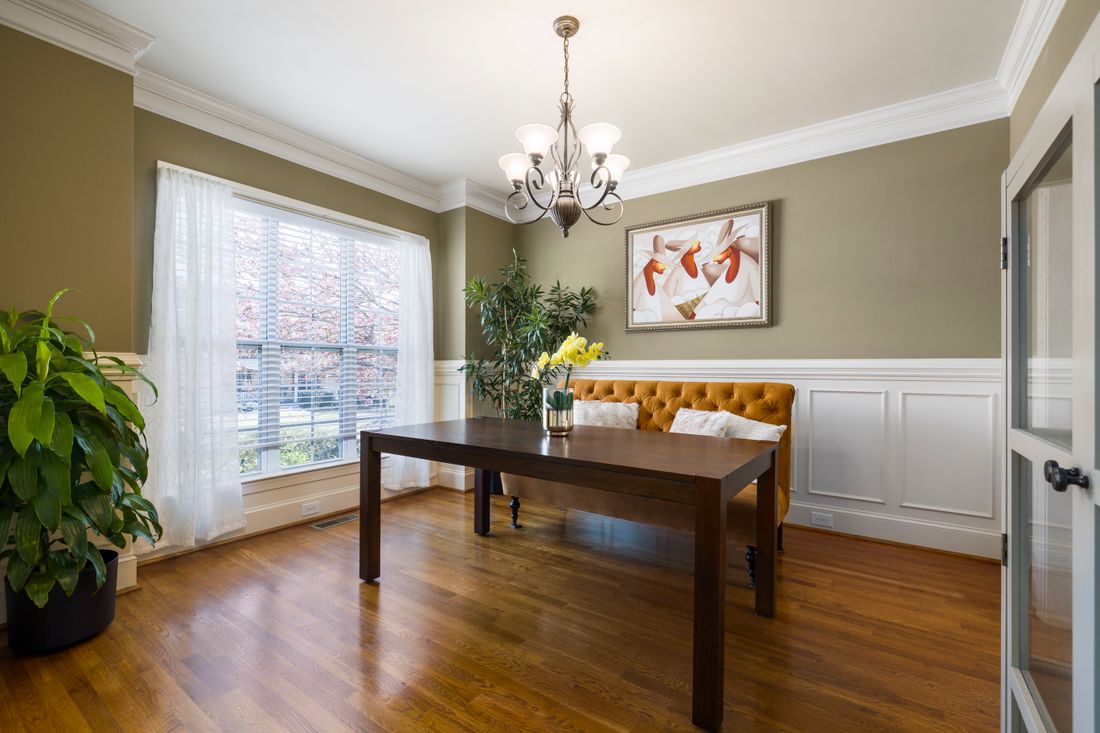
A piece that's just sold usually already has photography from before the sale, but that record belongs to the seller, not the new owner. Documenting it again once it's living in a private home means working around a room that wasn't built for photography, on the owner's schedule, without treating their home like a set.
Once artwork moves into a private home, it needs its own current documentation for insurance, condition tracking, and an accurate record of how it's actually displayed. That visit happens on the owner's terms and inside a room built for living, not photography, which changes scheduling, lighting, and how much of the space gets touched.
Why does a piece need documentation again after it's already sold?
A piece that's just sold usually already has photography from the gallery or the artist, but that record belongs to the seller's file, not the buyer's. Once artwork moves into a private home, it needs its own current documentation, one that starts the condition record from the day it arrived there, matches the insurance paperwork the new owner is filing, and reflects how the piece is actually installed and lit in its new setting.
That last part matters more than it sounds. A gallery photo shows the work under gallery light, on a gallery wall, at gallery scale. The same painting hung in a stairwell, over a mantel, or in a room with afternoon sun coming through a window is being seen and lived with under completely different conditions. An insurer, an appraiser, or a future buyer looking at a record years from now benefits from a document that shows the piece as it currently exists, not as it existed in a different building before the sale.
There's also a simpler reason. The seller's photography stops being anyone's responsibility to update the moment the piece changes hands. If something happens to the surface, the frame, or the finish later, the most useful comparison point is a record made after the move, not one made before it. Commissioning that record early, rather than waiting for a reason to need it, is what makes it useful when a reason eventually shows up.
What makes a private home a different documentation environment than a gallery?
A private home wasn't built to photograph art in. Walls are painted colors other than neutral white, ceiling lights are warm and mixed with daylight, furniture sits close to the piece, and the room usually serves several purposes besides displaying that one work. A gallery or studio controls all of this before a shoot even starts; a home visit has to work with what's already there.
That changes the approach more than the equipment. Color casts from lamps, reflections off glass or varnish from a window across the room, and shadows thrown by nearby furniture all need to be identified and corrected for, rather than avoided by picking a better spot. Sometimes the piece can be temporarily moved to better light in the same room. Often it can't, because it's mounted, oversized, or fragile enough that repositioning isn't worth the risk. Working around a fixed position, rather than assuming the piece will move to meet the light, becomes the default plan going in.
None of this makes a home an inferior place to document work. It makes it a different one, with its own read of the room before a single frame is taken: where the light comes from and when, what's fixed in place and what can shift, and which angles actually show the piece clearly without also showing the rest of someone's living room. Planning around the space, instead of expecting the space to behave like a studio, is what keeps the record accurate and repeatable for whoever compares against it later.
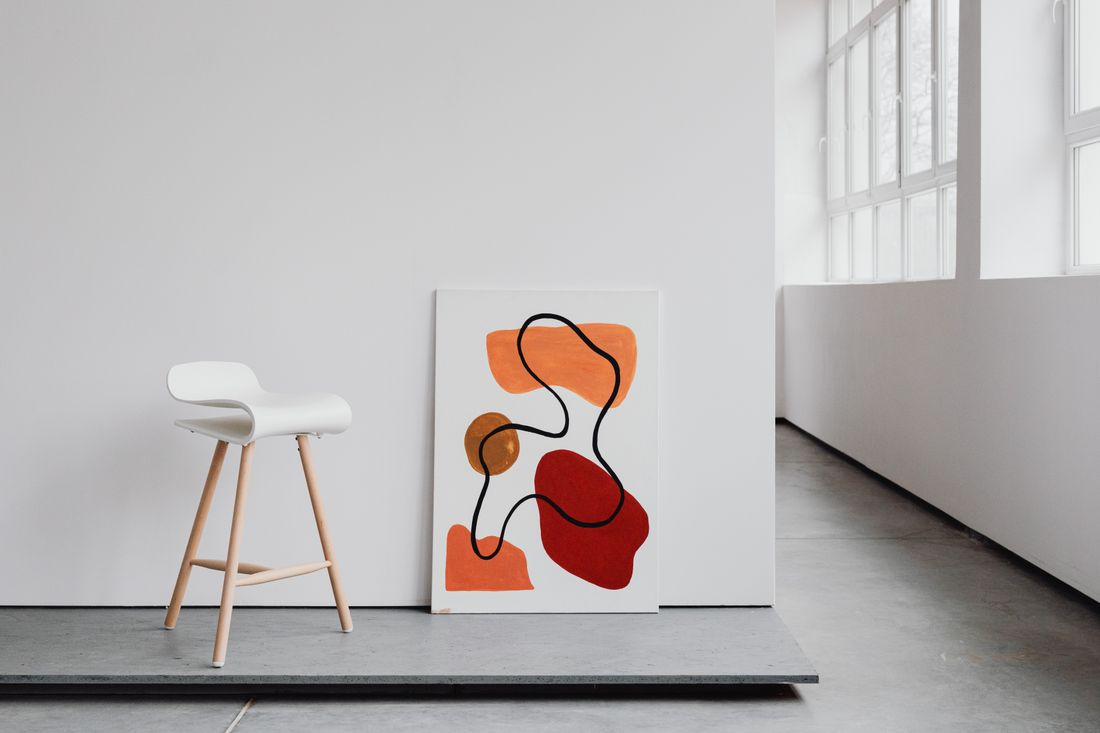
How does scheduling change when the artwork lives with its new owner?
The visit happens on the owner's schedule, in their home, which usually means one appointment that has to work the first time. There's no returning tomorrow if the light was wrong or a room wasn't ready, the way a second visit to a gallery is a quick fix. A home documentation session gets planned around the household's actual availability, not around when a crew would prefer to shoot.
That usually points toward daytime hours on a weekday, when natural light is most predictable and the home is quieter, but it depends entirely on the owner's life. Some collectors want the visit done before a workday starts. Others only have a weekend window, or a specific afternoon when the rest of the household happens to be out. Confirming the time, the specific rooms involved, and roughly how long the visit will take, before anyone shows up, avoids the awkward version of this where a crew is standing in someone's entryway figuring out logistics that should have been settled by phone or email first.
It also means building in a little slack. A home has stairs, narrow doorways, pets, and family members coming and going in ways a gallery doesn't. A visit planned tightly around a single hour tends to run into friction. One planned around the actual shape of the space and the household's day tends to go the way everyone expected it to, with room left over for the ordinary interruptions any home visit runs into.
What questions get answered before anyone brings in gear?
The useful questions get asked before the visit, not during it: where exactly is the piece hung or displayed, is it behind glass, is it mounted in a way that allows it to come off the wall safely, and is there a room nearby where equipment can be set up without crowding the piece itself. Answering these ahead of time turns the visit into a documentation session instead of a site survey.
It also surfaces anything unusual early. A piece installed above a fireplace, set into a recessed alcove, or hung on a stairwell landing needs a different plan than one on an open wall, and that plan is easier to make from a phone call and a few photos than by discovering the constraint on arrival with gear already unpacked. If the home has specific rules, no shoes past a certain point, a preference for which entrance to use, quiet hours around a sleeping schedule, those are worth asking about too, since working around a household's routine is part of the job, not an inconvenience to it.
None of this needs to be formal. A short conversation covering where the work is, how it's mounted, and what the room around it looks like is usually enough to walk in already knowing what the session requires, rather than improvising a plan once the crew is standing in front of the piece and the owner is waiting to see how the visit unfolds.
How do you light a piece that's already hung and isn't coming off the wall?
When a piece can't be moved, the light gets built around it instead: portable lighting positioned to cancel glare off glass or varnish, angled to avoid the hot spot a straight-on flash or a nearby window would create, and balanced against whatever ambient light is already in the room so the colors read accurately rather than warm or cool. The piece stays fixed; everything else adjusts around it.
Reflective surfaces are usually the first problem to solve. Glazed frames, varnished oil paint, and glossy finishes all pick up whatever's in front of them, including the camera and the person holding it. Diagonal lighting angles, polarizing filters, and simply changing the shooting position relative to the piece handle most of this without needing to touch the artwork or its mounting. A small, controlled light source close to the surface usually beats a bigger one further back, since it's easier to angle away from the glare it would otherwise create.
The goal isn't to make a home look like a studio. It's to get an accurate, evenly lit record of the piece despite the room around it not being built for photography. That sometimes means working in short windows when natural light is at its most even, or blocking a window temporarily rather than fighting the glare it's throwing across the surface. Either way, the fix happens in the lighting setup, not in decisions about the artwork itself, so the piece and its mounting stay exactly as the owner left them.
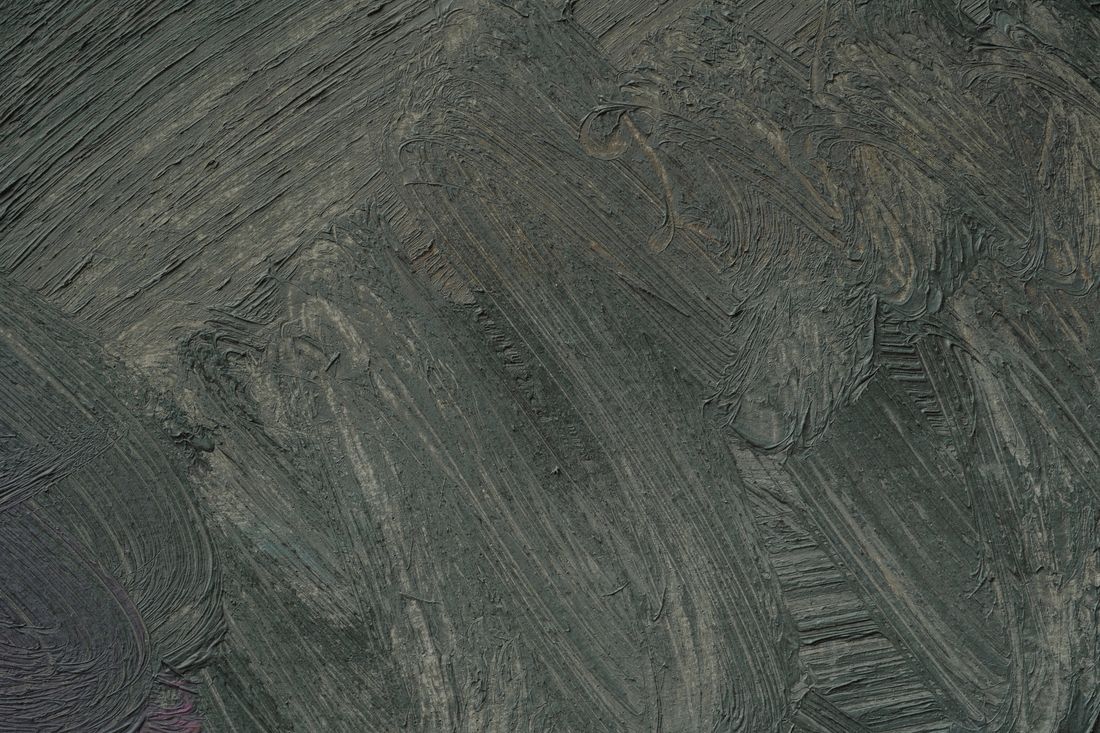
What stays untouched in someone's home during the visit?
As little as possible. A documentation visit works around the room rather than rearranging it: furniture stays where it is unless it's physically blocking the shot, personal objects on nearby surfaces aren't moved for the frame, and nothing gets shifted without asking first. The home is someone's living space before and after the visit, not a set that gets restyled for an afternoon.
This matters for the piece itself as much as for the room. Unless a specific reason requires it, the artwork doesn't come off the wall, out of its frame, or away from its mount. Moving a piece introduces risk that a documentation visit has no reason to take on, especially when good lighting and a careful angle can produce an accurate record without it. If repositioning genuinely is necessary, that's a conversation with the owner first, not a decision made on site once the crew is already there and working.
Working this way also tends to produce a calmer, more useful visit. A crew that treats a home like a home rather than a location gets faster cooperation from the people who live there, fewer surprises about what can and can't be touched, and a session that ends with the room looking exactly like it did before anyone arrived, aside from the piece now having an updated record it didn't have that morning.
What does a complete home documentation set actually include?
A useful set covers more than one flattering angle of the piece. It typically includes a full, evenly lit view of the entire work, close detail shots of texture, brushwork, signature, or any distinguishing marks, and at least one in-situ image showing the piece installed in the room. Together, these three types of frames answer different questions for whoever ends up using the file later, from an insurer to the owner themselves.
The full view is the one an appraiser or insurer usually wants first, since it shows the piece as a whole, accurately colored and undistorted. The detail shots matter for condition tracking. Craquelure, surface texture, or a small existing mark are much easier to compare years later against a close, sharp reference than against a single wide shot where those details are too small to read. The in-situ shot serves a more practical purpose: it confirms exactly where and how the piece is displayed, which is useful for insurance documentation and for the owner's own records of their home.
None of this requires a large shot list. It requires covering the piece from a few deliberate distances instead of one, so the resulting file can answer whatever question comes up later, whether that's a condition dispute, an insurance claim, or simply an owner wanting a collection they've built to be documented properly and kept somewhere useful.
How does one home visit fit into the piece's ongoing record?
A home documentation visit becomes the piece's new baseline: the reference point that any future comparison, whether for insurance, resale, or simple condition tracking, gets measured against. The owner typically receives the full set of files directly, so the record lives with the piece and its paperwork rather than staying scattered across whoever touched it before the sale.
This is worth treating as a one-time investment rather than a recurring task, for most collectors. Unless the piece moves again, changes hands, or something happens that affects its condition, a single thorough visit is usually enough to establish the record an owner needs for years. The exception is a larger, actively growing collection, where periodic revisits make more sense than one visit per piece as new work comes in, since a collection that keeps changing needs its record to keep pace with it.
Either way, the value of the visit isn't just the images themselves. It's that the piece now has an accurate, current, professionally made record tied to its life in a specific home, instead of relying on whatever documentation happened to exist from before the sale. That record is what actually protects the owner later, when a claim, an appraisal, or a simple question about the piece's condition comes up, and having it ready ahead of that moment is the entire point of scheduling the visit early rather than waiting for a reason.
Frequently asked questions
Do I need to document artwork again after buying it, if the gallery already photographed it?
Usually yes. The gallery's photography reflects the piece before the sale, under different lighting and in a different location. Once it's installed in your home, a new set of images creates a current, accurate record tied to where and how you're actually displaying it, which is what insurers and appraisers generally want to see rather than pre-sale photography from a space the piece no longer occupies.
How long does a home documentation visit usually take?
It depends on how many pieces are involved and how the room is set up, but a single work in a straightforward location typically takes under an hour once lighting is set. Visits with multiple pieces, awkward mounting, or rooms with difficult light take longer. Confirming the scope beforehand, including how many pieces and rooms are involved, gives a realistic estimate specific to your space rather than a generic number.
Does the piece need to come off the wall to be documented properly?
No. Most pieces can be documented accurately in place, using lighting angled to control glare and reflections rather than by removing the work from its mount. Taking a piece down adds handling risk that a documentation visit doesn't require. It only becomes necessary in specific cases, and that's always a decision made with the owner beforehand, never as an on-site improvisation once a crew is already there and set up.
What if the room the artwork hangs in doesn't get much natural light?
That's normal and doesn't require rearranging the room. Portable lighting gets set up to balance with whatever light already exists, so the piece is captured accurately regardless of the room's usual conditions. What matters more than the room's natural light is knowing ahead of time what the space looks like, so the right lighting setup arrives already planned for that specific room instead of being figured out on arrival.
Who ends up with the final files after a home visit?
The owner. The documentation exists to serve their record, insurance file, and ongoing paperwork for the piece, so the full set of images goes directly to them once it's finished. From that point, it functions as the piece's current baseline, the reference future comparisons get measured against, rather than something that stays filed away somewhere else with whoever happened to take the photographs that day.
Give your collection a record that holds up.
We document artwork the way an adjuster or appraiser would actually want to see it: full views, accurate color, condition detail, and a system that keeps every file tied to the right record.
Explore artwork documentation →