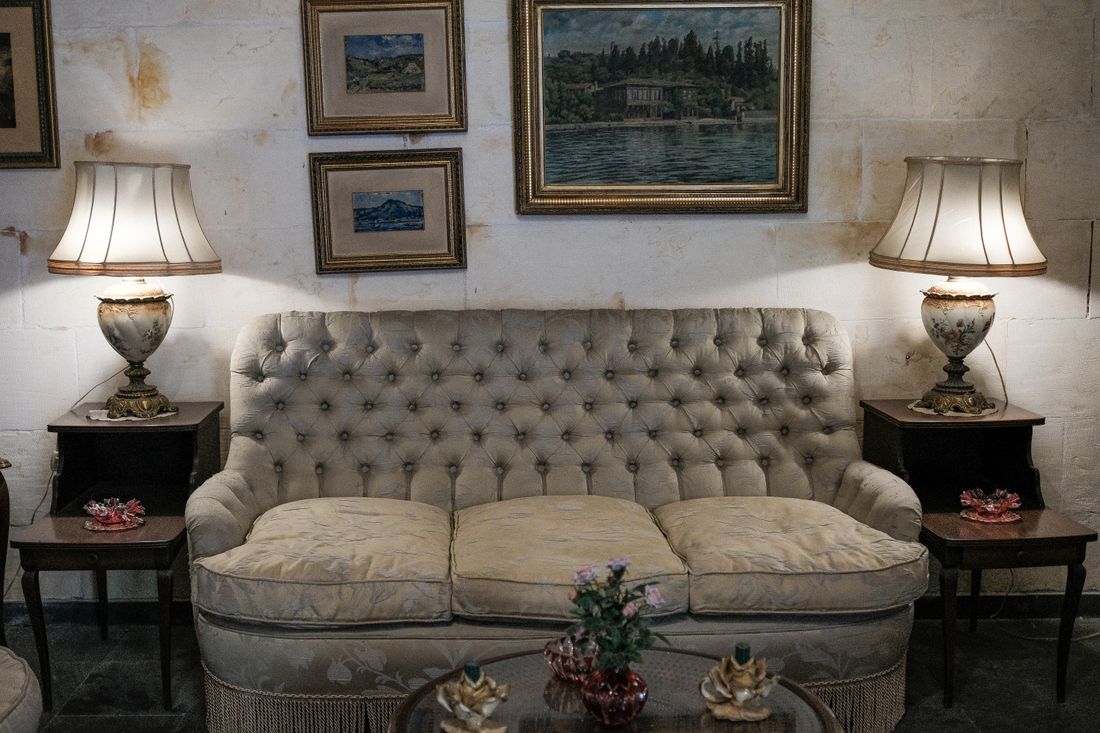
A usable art collection record does more than prove a piece exists. It gives an insurer, an appraiser, or an estate executor something they can act on without ever having stood in the room: accurate color, full and detail views, and the information that never shows up in a photograph on its own, dimensions, provenance, condition, and where each piece currently lives. Most collecting guides stop at "take a photo." Few of them explain what makes a record actually hold up once someone outside the collection has to rely on it. This guide covers what a complete record contains, why a phone snapshot from the wall stops being enough, how to sequence a whole collection instead of just the favorites, and what changes once pieces live across more than one address.
A usable art collection record pairs a color-accurate image of each piece with the details a photograph can't show: dimensions, medium, provenance, and current condition, all tied to a stable reference number. Sequence the whole collection rather than the favorites, keep the files organized by that number, and confirm who owns the finished files before the shoot happens.
What Does a Complete Art Collection Record Actually Contain?
A complete collection record pairs a full, color-accurate image of each piece with the information that can't be read off the image itself: dimensions, medium, condition, provenance, and where the work currently lives. The image proves what the piece looks like. The rest of the record proves what it is, where it came from, and what state it's in.
Past the image, a usable entry needs a title and attribution, medium and materials, dimensions both framed and unframed, a date or date range, and a short provenance note: how the piece entered the collection and who owned it before that, as far as it's known. It also needs a condition note taken at the time of the shoot, since that note is what later proves whether a mark was already there or happened afterward. Most of this already lives somewhere: a purchase receipt, a gallery invoice, a conversation with the artist. The record's job is to pull it into one place, tied to the right image.
That last part, tied to the right image, is where most home-built archives quietly come apart. A folder of numbered photos with no matching list of what's in each one isn't a record, it's a photo library. A usable record gives every piece a stable reference number that appears in the image file name and the entry describing it, so the two never drift apart as the collection grows or moves between addresses. That link is what an appraiser, an insurer, or an estate attorney will rely on later.
What Do Insurers and Appraisers Actually Ask For in a Claim?
After a loss, an insurer or appraiser generally asks for a clear image of the piece from before the damage, a description matching what's actually insured, and something that proves the piece existed and looked a certain way at a specific point in time. A phone photo from three years ago rarely satisfies all three at once.
Two things matter most in that request: the image has to be dated, so it clearly predates the loss, and it has to be specific enough to match the piece being claimed against the description already on file, not just a plausible-looking painting of roughly the right size. Insurers and appraisers are used to working from documentation gaps, and they can usually still process a claim without a full professional record. What they can't do is turn a vague or undated snapshot into proof of condition. That gap tends to slow a claim down rather than stop it outright, and it shows up at exactly the moment a collector has the least patience for it.
This is also where the entries described earlier start earning their keep. A dated, well-lit image tied to a record that already lists the piece's dimensions, medium, and condition at documentation time gives an adjuster or appraiser something to work from immediately, instead of reconstructing the piece's history from memory and whatever paperwork survived. None of this replaces the appraisal or the claim process itself, both of which stay squarely in the hands of the insurer and the appraiser. It just means the record they're working from is complete rather than partial.
Why a Casual Photo of the Wall Doesn't Hold Up as Documentation
A photo of a piece hanging on the wall is fine for a memory or a caption. It stops being adequate the moment it has to do actual work: prove condition before a loss, match a specific piece in a large collection, or hold up as evidence to someone who has never seen the work in person.
The advice to just snap a photo of the room shows up often in general collecting guides, and it's easy to see why: it costs nothing and takes ten seconds. The trouble is what that photo actually contains. Ambient room light shifts a painting's color, a reflection or shadow can hide real damage, and a wide shot of a wall rarely shows enough detail to prove which piece is which if two similar works hang near each other. None of that matters for a casual record. All of it matters the moment the photo has to stand in as evidence.
What a photograph needs to hold up as documentation, rather than as a snapshot, is a separate and fairly specific standard: accurate color, full and detail views, and consistent technical handling across every piece in the collection. That standard is covered in full elsewhere, since it's a technical subject on its own; the point worth carrying into this guide is simpler. A phone photo isn't wrong for what it is. It's just answering a different question than the one an insurer, an appraiser, or an heir will actually be asking.
What Does Real Cataloguing Look Like: Files, Naming, and Storage?
Real cataloguing means every image file has a consistent name tied to a stable inventory number, sits in a folder structure that won't need reorganizing in five years, and gets backed up somewhere other than a single laptop or phone. The image is the easy part. Keeping it findable and intact for decades is the part collections usually get wrong.
A workable naming convention is boring on purpose: an inventory number, the artist or maker if relevant, and a short piece identifier, applied the same way across the whole collection, in both file names and folders. Grouping images by room or by year feels natural in the moment and becomes a maze later, once the collection has moved, been rehung, or grown past a size anyone can hold in memory. The naming convention is what makes a piece findable by what it is, not by where it happened to hang when the photo was taken.
Storage matters as much as naming. A single external drive is not a backup, it's a single point of failure with a due date. A workable setup keeps at least one copy off-site or in the cloud, separate from wherever the working files live day to day, and it's worth confirming who actually has access to that storage and how. Cataloguing itself, deciding what belongs in a formal catalogue or collections database, is its own specialized discipline and stays with the people who do that work. What sits inside this guide is narrower: making sure the files that discipline depends on already exist, are findable, and survive.
When Is Documenting a Collection Yourself Enough, and When Isn't It?
Documenting a collection yourself is enough for a private archive, a personal record of what's owned, or a rough inventory used to track a collection as it grows. It stops being enough once the images need to do outside work: support an appraisal, back an insurance claim, or serve as the record an estate hands to people who never saw the collection in person.
The honest case for DIY documentation is real and shouldn't be talked out of existence: most collections are mostly seen by the people who live with them, and a phone camera plus a spreadsheet covers that use case at zero added cost. The shift happens when a piece is about to be seen by someone who wasn't in the room: an underwriter setting a policy, an appraiser preparing a formal valuation, a family member deciding what to do with a piece they've never actually examined. At that point, the documentation isn't just a personal record anymore. It's evidence, read by someone with no other context.
There's no fixed collection size or value where this switch happens, which is part of why it gets missed. A modest collection tied to an active insurance policy or a pending estate plan can need a professional pass sooner than a much larger one that's simply sitting in a home with no near-term use for its files. The better question isn't how big the collection is. It's what the record needs to do next, and whether a phone photo and a memory can actually do that job.
Why Sequencing the Whole Collection Beats Photographing the Favorites
Sequencing a collection means documenting every piece in a planned order, room by room or storage location by storage location, rather than pulling out the pieces that come to mind first. A record built from favorites always has gaps, and the gaps are usually the pieces nobody thought to check on, which are often the ones most overdue for a look.
The instinct to start with the best-known or best-loved pieces is understandable and works against the point of the exercise. A record exists to answer a question about any piece in the collection, not just the ones already top of mind. Working a fixed sequence, by room, by storage unit, by wall, means nothing gets skipped because it's inconvenient to reach, stored behind other work, or simply less interesting to look at than the piece next to it. It also creates a natural stopping and resuming point if a full pass has to happen across more than one visit.
A sequenced pass also surfaces problems a favorites-first approach never finds: a piece with a condition detail nobody noticed because it lives in a hallway rather than a main room, or a work whose provenance paperwork went missing years ago and only gets noticed when someone finally goes looking, piece by piece. Photographing favorites produces a partial, flattering record. Sequencing the whole collection produces the kind of record an insurer, an appraiser, or an heir can actually rely on, because it doesn't have blind spots built in from the start.
What Changes When a Collection Lives Across More Than One Address?
A collection split across more than one home, a second residence, or a storage unit needs its record to track location as carefully as it tracks the piece itself, since a record that doesn't say where something currently lives is only half useful the moment it's actually needed.
Once pieces are spread across addresses, the record has to answer a second question alongside what a piece is: where it currently lives, right now, not where it lived when the record was first built. That sounds obvious until a piece has moved between a primary residence, a second home, and a storage facility more than once, and nobody updated the record each time it did. A stable inventory number tied to a location field, updated whenever a piece actually moves, is what keeps the record accurate instead of becoming a snapshot of where things used to be a year or two ago.
Multiple addresses also change how a documentation pass gets planned, since covering a whole collection now means covering more than one location, sometimes at different times of year or under different access arrangements at each one. That's a scheduling question more than a documentation one, and it's worth raising early rather than assuming a single visit will cover everything the collection includes. The record itself doesn't need to look different because of it. It just needs the location field kept honest, piece by piece, address by address, updated every time something actually moves rather than once a year on a fixed schedule.
What Do Heirs and Executors Actually Need From the Files?
Heirs and executors need files that make sense to someone who never saw the collection built: clear images, plain-language descriptions instead of studio shorthand, and a record they can hand to an appraiser, an estate attorney, or an auction house without first decoding it themselves.
A collector often knows a piece well enough that a one-line note in a spreadsheet is plenty for them: a name, a year, a rough sense of where it came from. That same note is close to useless to an executor who has never met the artist, doesn't know the collector's shorthand, and is trying to settle an estate on a deadline. Worth on paper is not the concern of this record; it stays with the appraiser doing that specific work. What the record needs to provide is clarity: enough detail that someone unfamiliar with the collection can tell one piece from another and locate whatever paperwork exists for it.
This is also where the question of who owns the files afterward becomes practical rather than abstract. The images and records belong to whoever commissioned the documentation, and it's worth confirming that in writing before a shoot happens, not after, since a family or executor settling an estate needs to know they can access, copy, and hand off those files without a separate negotiation. A record that's clear, complete, and unambiguously theirs to use is what actually helps at the point it's needed. Anything less becomes one more thing an executor has to untangle during an already difficult process.
Frequently asked questions
What documentation do insurers actually require for an art collection?
Insurers generally want a dated, color-accurate image of each piece paired with a description matching the policy: dimensions, medium, and a condition note taken before any loss. They aren't usually asking for a formal appraisal in that same request, since that's a separate process handled by the appraiser. What they need is enough detail to confirm a claimed piece is the piece actually damaged, and a paper trail that moves a claim along without guesswork.
Are phone photos enough for insurance purposes?
Phone photos are enough for a private archive or a casual record of what's owned, but they tend to fall short once a piece needs verifying by someone who never saw it in person. Ambient light shifts color, and a snapshot rarely shows enough detail to confirm which piece is which in a larger collection. The gap isn't the camera, it's color accuracy and consistency, a standard a quick photo on the wall was never meant to meet.
How often should a collection be re-documented?
There's no fixed schedule, since it depends more on what's changed than on time passing. A collection that's grown, moved between addresses, or had pieces reframed, restored, or reappraised is worth revisiting regardless of how long it's been since the last pass. A useful habit is checking the record whenever a piece's status changes, rather than waiting for a set number of years, since the record's job is to stay accurate to the collection as it actually exists today.
What does estate documentation include for heirs and executors?
Estate documentation includes clear, dated images of every piece along with plain-language descriptions an executor can actually use: what the piece is, its dimensions and medium, where it currently lives, and whatever provenance is known. It's written for someone who never saw the collection built, not for the collector, so studio shorthand and personal notes get translated into something an appraiser, attorney, or auction house can work from directly without tracking the collector down to ask what something means.
Who owns the files after a collection is documented?
The files belong to whoever commissioned the documentation, worth confirming plainly, in writing, before a shoot happens rather than after. For a private collector, that usually means the collector or the estate outright. Heirs and executors settling an estate need to know they can access, copy, and hand those files to an appraiser or attorney without a separate negotiation. Confirming ownership early avoids a real complication later, when someone needs the files and has to track down permission.
Give your collection a record that holds up.
We document artwork the way an adjuster or appraiser would actually want to see it: full views, accurate color, condition detail, and a system that keeps every file tied to the right record.
Explore artwork documentation →