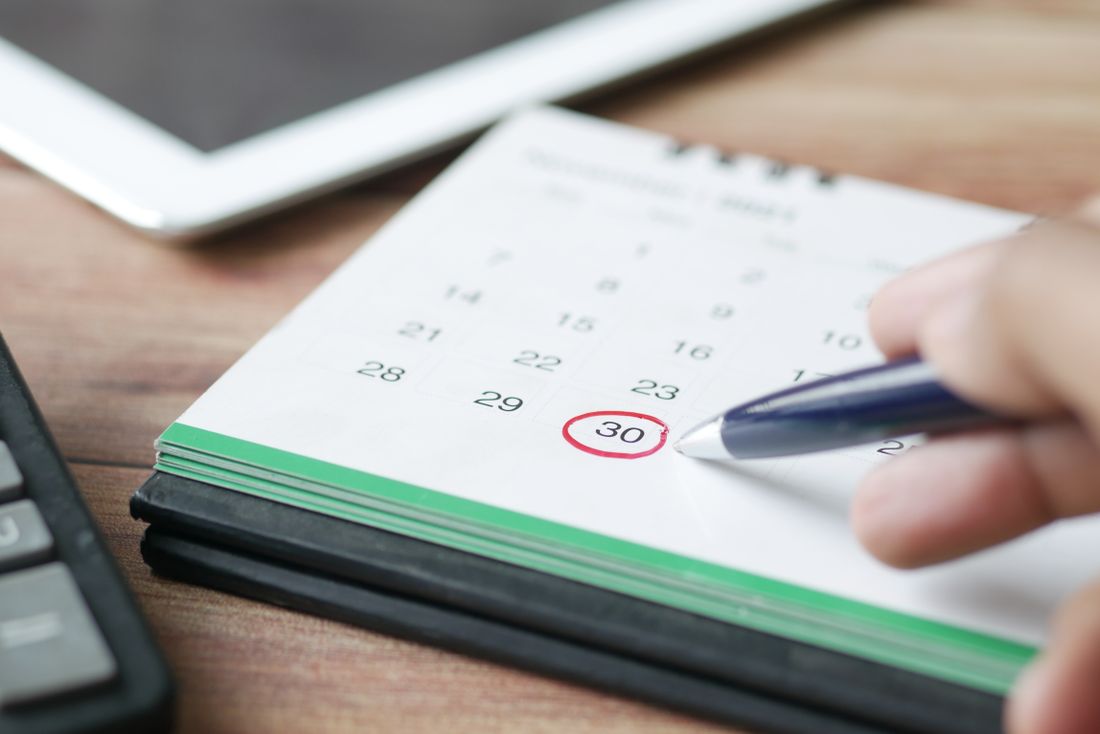
Every gallery in the city seems to need the same week of coverage, all at once, and none of them are wrong to want it. The technique of photographing a painting or an installation doesn't change because more people are looking. What changes is who gets on the calendar first, and what that means for everyone booking after them. Gallery Week doesn't test a photographer's lighting. It tests their scheduling.
During NYC Gallery Week, the documentation process itself barely changes. Lighting, color accuracy, and file standards stay the same. What changes is timing. Dozens of galleries want coverage inside the same narrow window, so booking closes faster, turnaround tightens, and access to a space gets scheduled around installation and opening night rather than around the photographer.
Why Gallery Week compresses every gallery's calendar at once
NYC Gallery Week compresses documentation demand into one narrow window because dozens of galleries plan new shows around the same public event instead of spreading them across a normal season. The result is a spike, not a trickle. Many spaces need walkthroughs, install shots, and reproduction-ready files inside the same handful of days.
A gallery that changes shows every six to eight weeks usually has room to schedule documentation whenever it makes sense, after the walls are patched, before the invite goes out, whenever the light in the space is doing something useful. Gallery Week removes some of that flexibility. If a gallery is participating, its opening date sits on a citywide calendar, not just its own production schedule, so every gallery on the list ends up wanting the same kind of coverage in roughly the same stretch of days, regardless of when each individual show actually finished coming together.
None of this makes the documentation itself harder. Photographing a painting or an installation during Gallery Week uses the same process it would use any other week. What changes is supply. A city has a limited number of photographers who do this work carefully, and a fixed number of daylight hours in a week. When demand concentrates instead of spreading out, the calendar becomes the real constraint, not the camera work, and that's the piece worth planning around months before opening night rather than the week the show finally goes up.
What doesn't change about the documentation itself
The documentation process during Gallery Week is the same process used any other week, accurate color, even lighting, full views plus details, and files built for the way the work will actually get used. Gallery Week changes the calendar around that process. It doesn't change the standards the process has to meet.
It's worth saying plainly because the assumption runs the other way. A busy week can feel like it calls for a faster, looser version of documentation, something scaled down to fit the crunch. That instinct works against a gallery, not for it. Gallery Week is exactly when a gallery's images get seen by the most people at once, including visitors, press, and collectors who never make it to the physical opening. Weak files during the one week with the most attention cost more than they would any other week.
What we tell galleries planning around a compressed calendar is that the fix isn't a shorter process. It's an earlier start. The lighting setup for a canvas still needs to control glare and keep color true. A sculpture still needs multiple angles to read correctly online. None of that shrinks because the week is busy. The part that has to move is when the work happens, not how carefully it happens, and that distinction is the whole difference between a rushed shoot and a well-timed one.
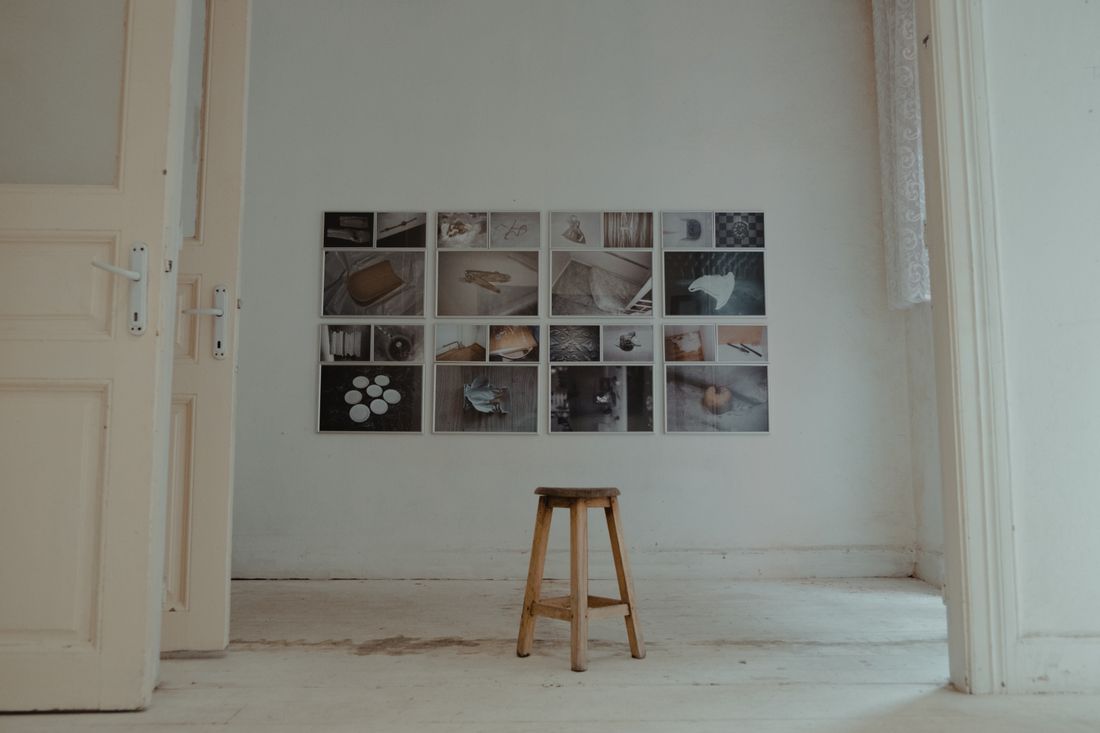
Why booking windows close faster during Gallery Week
Booking windows close faster during Gallery Week because every participating gallery is competing for the same small pool of available days, not because photographers suddenly work slower. A photographer who can normally take a booking with a week or two of notice may be fully committed a month out once Gallery Week dates are public.
This is simple math more than anything mysterious. If many galleries all want documentation finished before the same public week, and each session realistically takes a few hours plus travel and setup time between locations, the number of available slots runs out well before the week itself arrives. Galleries that book early aren't getting better treatment. They're getting first access to a calendar that only holds so many hours, and that access disappears in the order requests actually come in, not in the order shows feel important.
The galleries that end up scrambling are usually the ones that treated documentation as something to arrange once the show was fully hung, rather than something to book alongside the rest of Gallery Week planning. By the time the art is on the wall, the photographer they wanted may already be committed to another opening the same week. We'd rather have that conversation in the planning stage, while there's still room to pick a date, than in the week itself, when the honest answer is often whichever slot is still open, at whatever hour it happens to fall.
Whether to document before the show goes up or after it's hung
Both timing choices work, and the right one depends on what the images need to do. Documenting individual pieces before the hang gives clean, controlled shots of each work on its own. Documenting after the hang captures the show as visitors will actually see it, including scale, spacing, and how pieces sit next to each other.
A gallery that mainly needs reproduction-quality images of each piece, for a catalog, a website, or a submission, is usually better served documenting before the hang. There's more control over lighting and angle when a piece is on a wall by itself or on a table, without other work competing for space or casting shadows. This also happens earlier in the schedule, which matters during a week when calendar space is the scarce resource.
A gallery that wants installation views, the kind of images that show the exhibition as a whole and how it reads in the room, needs the hang finished first. That's a different shoot with a different purpose, not a lesser version of the same one. Some galleries book both, spaced a few days apart, precisely because Gallery Week makes both kinds of images useful at once, individual pieces for anyone researching the work, and installation views for anyone deciding whether to visit. Deciding which one comes first, or whether both are worth the calendar space, is a scheduling question as much as a creative one.
How turnaround expectations shift during a compressed week
Turnaround expectations get tighter during Gallery Week because the images are more likely to be needed immediately, for a press request, a same-day social post, or a collector following up before the show closes. The files don't take longer to produce. What changes is how soon after the shoot they need to exist.
Outside Gallery Week, a gallery might comfortably wait several days for finished files because nothing downstream is time-sensitive yet. During Gallery Week, that gap can matter. A journalist covering the week wants an image the same day they ask for one. A gallery fielding inbound interest wants something to send before the momentum from opening night fades. None of that changes how the documentation gets shot. It changes how the delivery gets planned, and how much slack sits between the shoot and the moment someone actually needs a finished file.
The practical fix is agreeing on turnaround before the shoot, not after someone asks where the files are. We build faster delivery into the plan when a gallery tells us the week is going to be busy, rather than treating every request for speed as an emergency once it lands. A gallery that flags its Gallery Week timeline in advance usually gets a calmer delivery process than one that assumes turnaround will simply happen the way it always has, because the usual pace was built around a quieter week, not this one.
What changes about access and light when a space is staged for visitors
Access to a gallery space narrows as Gallery Week approaches because the room stops being a workspace and starts being staged for visitors. Once furniture, signage, and wall text are placed for the public, a documentation session has to work around all of it instead of having the room to itself.
Earlier in a normal install, a gallery is still bare walls and open floor, which gives a photographer room to move a light stand, step back for a wide angle, or shift a piece slightly to catch better light without disturbing anything a visitor will see. Once the space is dressed for the public, that freedom shrinks. A stanchion, a reception desk, or a stack of catalogs in the wrong spot can end up in a frame that used to be clear.
Natural light shifts too, in a way that's easy to miss when a gallery is focused on the show itself. Blinds or window film installed for Gallery Week glare control can change how a room reads compared to the same space a few weeks earlier. A documentation session scheduled after those changes go in needs to account for a different lighting condition than the one the gallery had during a normal week. Timing the shoot around when the room is still a workspace, rather than after it's fully staged, keeps both problems from showing up at once.
How competing demand decides who gets covered first
When many galleries want documentation in the same narrow window, the ones who booked earliest and communicated their constraints clearly tend to get scheduled first, not the ones with the most prominent show. A photographer working through a stacked week has to sequence bookings the same way any service business sequences demand that exceeds capacity.
That sequencing usually comes down to a few practical factors, who locked a date first, whose location and hours are compatible with the rest of the week's schedule, and whose brief is clear enough to plan around without back-and-forth eating into the calendar. A gallery with a firm date, a clear sense of what it needs, and flexibility on exact timing within a day is easier to fit into a tight week than one still deciding what it wants.
This isn't a comment on which gallery matters more. It's a comment on how limited time actually gets allocated once demand exceeds supply. A small gallery that books six weeks out and answers scheduling questions quickly will usually get a smoother week than a larger one that waits until the show is hung to start asking. Understanding that the order isn't about prestige, and is instead about who removed the most friction from the calendar first, changes how a gallery should approach planning long before Gallery Week arrives, not just during it.
How to plan next Gallery Week's documentation now
The best time to plan Gallery Week documentation is right after the current one ends, while the calendar crunch is still fresh. Galleries that wait until a few weeks before the next Gallery Week are back in the same scramble, competing for the same limited pool of days against everyone else who also waited.
A simple starting point is writing down what actually went wrong this time. Maybe the shoot got booked too close to opening night and the space was already staged. Maybe turnaround expectations weren't discussed until someone was already asking for a file. Maybe the gallery needed both individual pieces and installation views but only budgeted calendar time for one. Each of those is a timing problem with a timing fix, not a reason to expect a different result by trying the same schedule again next time around.
We treat this the same way we'd treat any recurring, date-driven event. Once a client tells us they participate in Gallery Week, that date range goes on our own calendar early, well before the citywide schedule is finalized, so a returning gallery isn't competing with new clients for the same slots the following year. Planning early doesn't guarantee a specific time of day. It guarantees a spot on the calendar at all, which during Gallery Week is most of the battle, and usually the only part of the process actually worth worrying about in advance.
Frequently asked questions
What is NYC Gallery Week and why does it matter for documentation?
NYC Gallery Week is a citywide stretch of days when many galleries open or refresh shows at once, drawing concentrated public and press attention across the city at the same time. For documentation, it matters because dozens of spaces need coverage inside the same narrow window, which turns photographer availability into the scarce resource, instead of the documentation process itself changing in any technical way that affects how the work gets shot.
Should a gallery document its artwork before Gallery Week or during it?
Before, whenever possible. Documenting individual pieces earlier in the install gives cleaner control over lighting and angle, and it moves the shoot out of the busiest stretch of the calendar entirely. Installation views that show the finished hang still need the show up first, but even those are easier to schedule a few days ahead of the public week than they are once the week itself is already underway.
How far ahead should a gallery book documentation for Gallery Week?
As soon as a gallery knows it's participating and has a rough install timeline, ideally a month or more ahead of the public dates. Booking windows close quickly once Gallery Week dates go public, because every participating gallery is drawing from the same limited pool of photographer availability. Early booking secures an actual date, rather than leaving a gallery with whatever slot happens to remain open by the time it asks.
Does the quality of documentation change during a busy week like Gallery Week?
It shouldn't, and it doesn't have to. The standards for lighting, color accuracy, and file quality stay the same regardless of how compressed the calendar gets around a particular week. What changes is when the work happens and how quickly finished files get delivered afterward. Treating a busy week as a reason to shorten the actual documentation process usually costs a gallery more than it saves in the long run.
What happens if a gallery can't get documentation scheduled during Gallery Week itself?
Documenting a few days before or after the public week is often a reasonable substitute, since the work and the space don't change much in that window either way. The installation views will look slightly different from opening night itself, but individual piece documentation holds up just as well outside the exact week. The bigger risk is waiting until the week is already full and having no options left at all by the time a gallery finally asks.
Make sure your archive means something when someone asks for proof.
We photograph the work the way an insurer or gallery registrar wants it documented, straight views, correct color, and condition callouts you can actually point to later.
Explore artwork documentation →