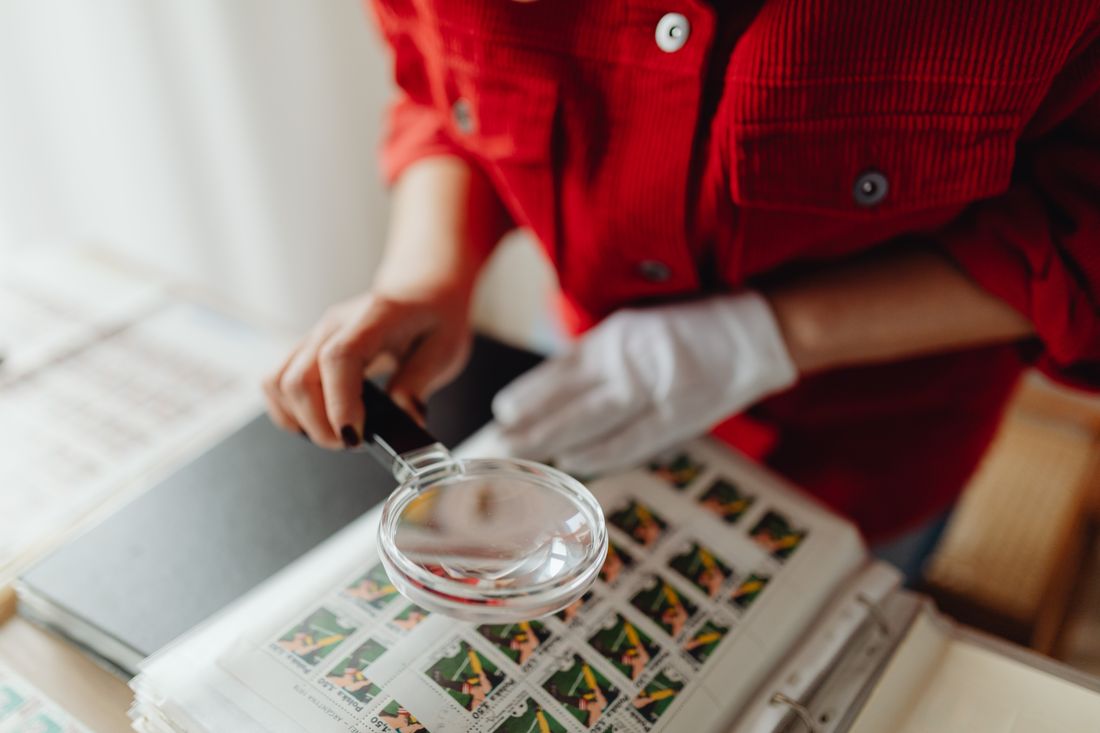
A finished documentation set gives an appraiser something consistent to work from instead of a phone photo. Scheduling the shoot after the appraisal appointment means the appraiser never had it in front of them at all, even though the piece looked exactly the same either way.
Documentation done before an appraisal appointment gives the appraiser a consistent, professional visual record to review alongside the piece itself. Documentation scheduled after the appraisal happens outside that appointment entirely, since the appraiser has already finished their visit by the time the shoot takes place. The order is a scheduling choice, not a reflection of what the appraisal finds.
What Does Documentation Before or After an Appraisal Actually Mean?
Documentation before an appraisal means the photography happens ahead of the appraiser's visit, so the appraiser reviews the piece alongside a finished set of images. Documentation after an appraisal means the shoot gets scheduled once the appraisal is already done, which puts the photography outside the appointment the images were meant to support.
The two orders sound like a small scheduling detail, but they produce two different documents. A set completed before the appraisal exists at the moment the appraiser is actually looking at the piece, in the same condition, under the same light, on the same day the professional opinion is being formed. A set completed afterward exists on its own, disconnected from that appointment, even if the piece hasn't changed at all in the meantime.
This distinction matters most for owners weighing whether to book a documentation shoot now or wait until "closer to" the appraisal date. Closer to, in practice, often turns into after, once a calendar fills up and the appraisal date arrives first. The piece gets the same photography either way, made by the same studio to the same standard. What changes is only whether an appraiser ever had that finished set in front of them during the appointment itself.
None of this is a comment on what an appraisal finds or how an appraiser reaches a conclusion. It's a scheduling question about when a documentation set actually does the most work for the people using it, and it's worth treating as a deliberate choice rather than something that happens by default.
Why Does an Appraiser Benefit From Seeing a Documentation Set First?
An appraiser who reviews a finished documentation set before or during the appointment has something consistent to work from: even lighting, accurate color, a clear view of the full surface, and any detail shots the piece needed. A phone photo taken quickly on the day rarely offers the same starting point.
This isn't about replacing what the appraiser does in person. It's about what's available to reference afterward, in a report, in follow-up correspondence, or in a file that outlives the single appointment. A documentation set gives that reference a fixed, professional baseline instead of whatever snapshot happened to get taken in a hurry right before the appraiser arrived.
The difference shows up most clearly with pieces that are hard to photograph well without planning: heavy texture, glare-prone surfaces, dark passages that lose detail in flat light, or work large enough that a phone camera can't get the whole thing in frame from a normal distance. A documentation shoot planned ahead of the appointment can account for all of that, lighting the piece properly and choosing angles that actually show what's there. A phone photo taken in passing usually can't do the same work.
None of this changes what the appraiser is evaluating or how they reach their figure. It only changes what visual record exists alongside that evaluation, and whether that record was made with the appointment in mind or added afterward as an afterthought, once the moment it could have been most useful has already passed.
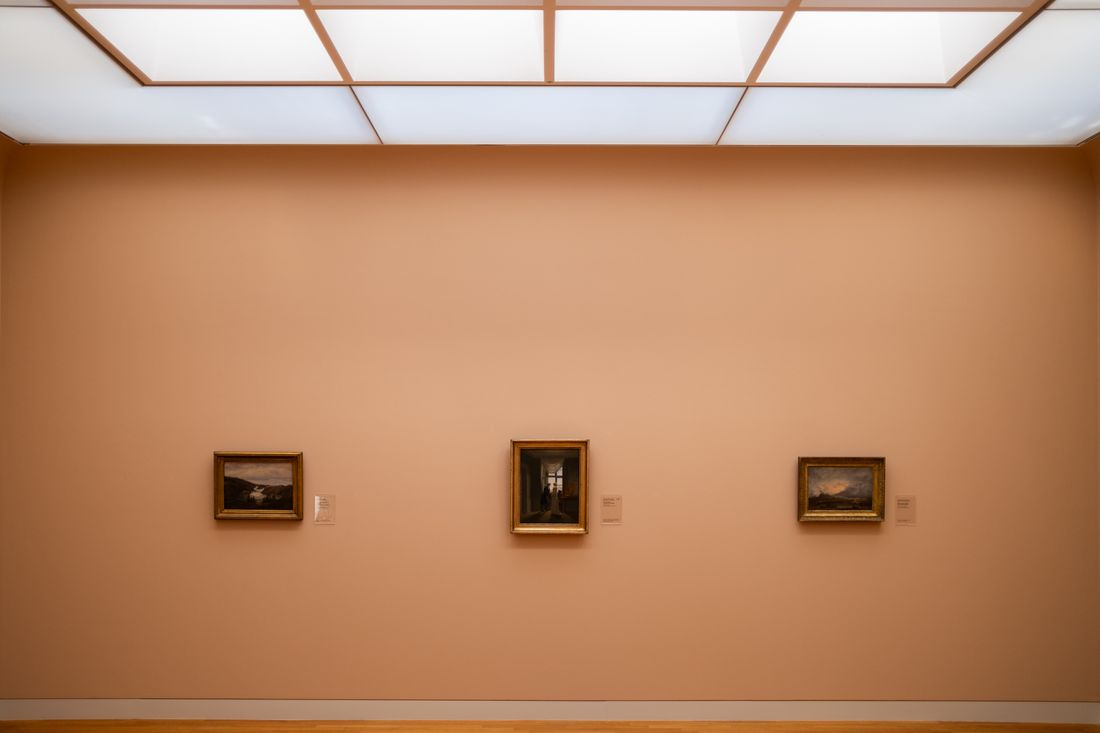
What Happens When Documentation Gets Scheduled After the Appraisal?
When documentation gets scheduled after the appraisal appointment, the appraiser completes their visit working from whatever the owner already had on hand, often a phone photo or an older image, since the professional set doesn't exist yet. The documentation still gets made, but it arrives too late to be part of that specific appointment.
This isn't a rare pattern. It's an easy one to fall into. A documentation shoot takes planning: a date, access to the piece, sometimes a specific location. An appraisal appointment often gets booked on its own schedule, sometimes faster than the documentation can be arranged. Once the appraisal date is locked in, documentation quietly slides to "after," because it's the piece that isn't waiting on anyone else's calendar.
The resulting set is still useful. It still gives the owner a professional, consistent record of the piece going forward, for insurance files, for future reference, for anyone else who needs to see it later. What it doesn't do is exist for the appraiser's own visit, which already happened by the time the shoot takes place.
Whether that gap matters depends entirely on what the owner needed the documentation to do. If the goal was simply a good record for the future, the order matters less. If the goal was giving the appraiser something to work from, the order is the whole point of scheduling it early.
Does Documentation Timing Change What an Appraiser Can Assess?
Documentation timing doesn't change how an appraiser evaluates a piece or what conclusions they reach; it changes whether a professional visual record exists alongside that evaluation. What the appraiser can physically examine in person stays the same regardless of when photography happens.
This is worth separating out clearly, because it's easy to blur the two. A documentation shoot is a photography service: consistent lighting, accurate color, a clean and complete record of the piece as it exists on a given day. An appraisal is a professional opinion formed by someone examining the piece directly, in person, using their own training and judgment. One does not substitute for the other, and photography scheduled before an appointment doesn't hand the appraiser their conclusion. It hands them a clear, consistent reference to have alongside their own direct examination, made specifically for that purpose rather than repurposed from something else.
Where timing does matter is in what gets left behind afterward. An appraisal that happened alongside a finished documentation set leaves a paired record: the professional opinion and the professional images from around the same date, sitting together in the same file. An appraisal that happened without one leaves the opinion on its own, with the documentation, once it exists, dated separately and disconnected from it by however long the gap between the two turned out to be.
Neither version is wrong. They're simply two different outcomes from the same underlying appointment, depending on which order the two pieces landed in.
How Far in Advance Should Documentation Happen Before an Appraisal?
A documentation shoot generally works best when it happens far enough before the appraisal appointment that there's no rush: enough lead time to schedule access to the piece, plan for its specific surface or size, and deliver finished files before the appraiser's visit rather than racing the calendar to make it in time.
There's no single fixed number of days that fits every situation, since it depends on how the appraisal itself got scheduled and how much lead time the owner has to work with. What matters more than an exact window is the sequence: documentation planned as a step that happens before the appointment, not as something to fit in "if there's time," where it can easily end up losing out to whatever else is happening that week.
Owners who know an appraisal is coming up are in the best position here, since they can treat the shoot as one of the steps leading up to it rather than a follow-up task added afterward. Owners who find out about an appraisal on short notice have less room to work with, but even a shoot booked quickly, once it's clearly prioritized ahead of the appointment, still lands the documentation where it can actually be used by the person examining the piece.
The practical takeaway is simple: treat the documentation shoot as part of preparing for the appraisal, not as a separate errand that can happen whenever the schedule allows it.

What if the Appraisal Is Already Scheduled and Documentation Isn't Done?
If an appraisal appointment is already on the calendar and documentation hasn't happened yet, the most useful move is booking the shoot as soon as possible, ideally with enough runway to deliver finished files before the appointment date rather than after it.
This is a common position to be in, not a mistake. Appraisals often get scheduled around the appraiser's availability or an external deadline, and documentation can end up as the thing that gets arranged afterward simply because it wasn't the appointment driving the calendar. Once the date is set, the useful question isn't whether documentation should have happened earlier. It's whether there's still time to get it done before the appointment arrives.
A studio being asked to turn a shoot around quickly ahead of a known appraisal date can usually say clearly whether that timeline is realistic, based on the piece, the location, and how soon the appointment is. Some pieces photograph quickly. Others need more planning, particularly larger or more delicate work, or a location that needs to be scheduled around someone else's availability. That's a conversation worth having directly rather than assuming either outcome ahead of time.
If the appointment date genuinely can't be beaten, the documentation still happens and still has value going forward. It simply won't be part of that specific appraisal visit, which is a real but different outcome than the one a rushed shoot was aiming for in the first place.
Can an Appraisal Work From Existing Files Instead of a Fresh Shoot?
Whether an appraisal needs fresh documentation or can work from an existing set usually comes down to how recent and how complete the existing files are, and whether the piece has changed at all since they were made. That's a scheduling and condition question, not a judgment call about the appraisal itself.
An owner who already has a professional documentation set from a prior shoot isn't necessarily starting from zero. If the piece hasn't moved, changed condition, or been altered since that set was made, and the files are complete enough to show what the appraisal appointment needs, that existing set may already serve the same purpose fresh documentation would. If the piece has changed, if the prior set is incomplete, or if enough time has passed that current condition is genuinely in question, a new shoot is the more useful step to take before the appointment.
This is worth checking rather than assuming either way. Reusing a genuinely current, complete set saves a step and avoids paying for photography the file already has. Reaching for an outdated or partial one just because it exists can leave the appraisal working from a less accurate picture than a fresh shoot would provide, which defeats the purpose of having documentation on hand at all.
Either path is a documentation decision, made before the appointment, about what visual record is going to be available when the appraiser actually sits down with the piece in front of them.
Who Decides Whether Documentation Happens Before or After the Appraisal?
The order between documentation and an appraisal is usually decided by whoever is coordinating the appointment: the owner, or in some cases a gallery, estate, or advisor managing the piece on the owner's behalf. It isn't something the documentation photographer or the appraiser typically sets on their own.
In practice, this means the sequencing decision often gets made without anyone framing it as a decision at all. An owner books an appraisal appointment because that's the deadline in front of them, and documentation either gets scheduled deliberately ahead of it or gets pushed to "sometime after" by default, simply because nobody set it as a prerequisite step in the first place, ahead of everything else on the calendar.
Naming it as a real choice changes that default. Once an owner, gallery, or advisor treats documentation as something to schedule before the appraisal on purpose, rather than as a task that happens whenever it happens to fit, the order tends to work out in the documentation's favor more often than not. The studio's role in that choice is straightforward: being available to shoot on a timeline that respects the appointment already on the calendar, and being clear and direct about what's realistic once a date is set.
The appraiser's own process, and what they do with whatever record exists by the time they arrive, stays entirely outside that scheduling decision from start to finish.
Frequently asked questions
Does documentation replace an appraisal?
No. Documentation is a photography service that produces a consistent, professional visual record of a piece: even lighting, accurate color, and a complete view of the surface. An appraisal is a separate professional opinion formed by someone examining the piece directly, in person. The two support each other well when documentation happens ahead of the appointment, but one never substitutes for the other, and a finished documentation set on its own is never a statement of worth.
Can a documentation shoot be rushed to happen before an already-scheduled appraisal?
Sometimes, depending on the piece, its location, and how much notice there is before the appointment. Some work photographs quickly and cleanly on short notice. Larger, more delicate, or more complex pieces usually need more planning time to do properly. It's worth asking the studio directly whether a given timeline is realistic rather than assuming either way, since a rushed shoot that still misses the appointment date has value, just not for that specific visit.
What if the owner doesn't find out about an appraisal until shortly before it happens?
That's a common situation, not a mistake anyone made along the way. The useful step at that point is booking documentation as soon as possible and asking directly whether finished files can realistically arrive before the appointment date. If the timeline genuinely doesn't allow it, the documentation still gets made and still has real ongoing value for the owner, just outside that particular appraisal visit rather than alongside it.
Does the documentation photographer coordinate directly with the appraiser?
Not typically. Sequencing is usually handled by whoever is coordinating the appointment itself, often the owner, a gallery, or an advisor managing the piece on someone's behalf. The documentation studio's role is delivering a finished, professional set on a timeline that respects whatever appointment is already on the calendar, not managing the appraisal process or speaking with the appraiser directly about their findings or conclusions.
If documentation happens after an appraisal has already taken place, is it still worth doing?
Yes. A documentation set still gives the owner a consistent, professional visual record of the piece going forward, useful for insurance files, future reference, or anyone else who later needs to see accurate, well-lit images of the work. It simply won't have been available for that specific appraisal appointment, which is a real difference in usefulness, though not a reason to skip the documentation altogether.
Make sure your archive means something when someone asks for proof.
We photograph the work the way an insurer or gallery registrar wants it documented, straight views, correct color, and condition callouts you can actually point to later.
Explore artwork documentation →