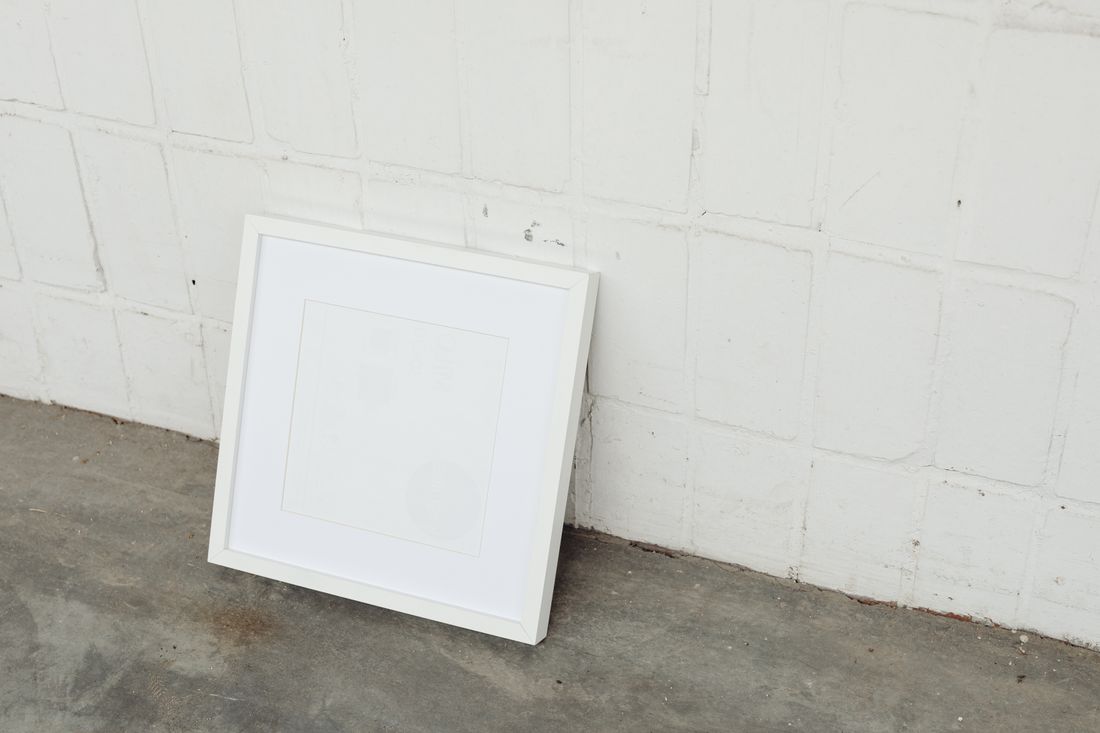
A piece can be documented before it goes to the framer, or after it comes back, and the two choices produce different records. Frame it first and the glare from the glass or acrylic becomes the photographer's problem to solve on every future shoot of that piece. Document it first and the frame's own presence, the molding, the mat, the finished look on a wall, never gets recorded at all. Neither order is automatically correct. The right sequence depends on what the images need to do next, and deciding on purpose beats letting the calendar decide by accident.
Document before framing when the image itself is the priority, for catalogues, grants, or archives, since there is no glazing to fight. Document after framing when the finished, framed presentation is what actually needs recording, for gallery listings, sales, or a client's installed piece. When both matter, plan two separate shoots rather than one image trying to do both jobs.
What's the Real Tradeoff Between Documenting Before or After Framing?
Documenting before framing avoids glare and reflection entirely, because there is no glass or acrylic in front of the piece yet. Documenting after framing captures how the piece actually reads on a wall, frame and all, but reintroduces the exact reflection problem the earlier shoot avoided. Neither option is wrong on its own. The tradeoff is which limitation you are choosing to live with for this particular piece.
Most artists and galleries never frame this as a decision at all. Documentation gets scheduled around whenever the photographer happens to be available, and framing gets scheduled around whenever the framer happens to be available, and the two dates land wherever they land. Sometimes that works out fine. Sometimes it means a piece gets photographed unframed for a body of work where the frame is genuinely part of the presentation, or gets photographed already framed for a submission that only wanted the flat image. The sequencing question is worth asking on purpose, before either appointment gets booked, because the two paths produce different records and serve different next steps. One protects the image quality of the piece itself. The other protects an accurate record of how the piece is actually being shown, installed, or sold, at the moment someone actually needs to see it that way. Once you know which record you actually need, and who is going to look at it, the order tends to sort itself out on its own.
Why Does Documenting Before Framing Avoid the Glare Problem?
Documenting before framing means there is no glass or acrylic glazing between the lens and the piece, so there is nothing to reflect studio lights, windows, or the photographer back into the shot. The image can be lit cleanly and evenly, with full control over exposure and color, without any of the workaround techniques that glazing requires later.
Glare from glass or acrylic is one of the more stubborn problems in art photography, and it does not go away with a better camera. It usually takes polarizing filters, careful angling of the lights away from the glazing's reflective plane, or shooting through a cut-out in black material to remove reflections from the frame. Even with all of that handled correctly, glazing still slightly softens fine detail and can shift color rendering compared to shooting the bare surface. Working with the unframed piece removes that whole category of problem before it starts. This is why documentation for reproduction, catalogues, grant applications, or archival records is usually done unframed when the option exists: the priority in those uses is the clearest, most accurate image of the work itself, not a picture of how the piece happens to be displayed at that moment. If the piece has not been framed yet, or can be pulled from its frame for an hour, this is generally the easier and more reliable path to a clean image.
What Does Documenting Before Framing Leave Out of the Record?
Documenting before framing produces an accurate image of the piece itself, but it leaves out how the piece actually presents once it is framed and hung. If the frame is a deliberate part of the presentation, a specific molding, a particular mat, a finish chosen to match the work, that decision never gets recorded in the photograph at all.
For most working artists this gap does not matter much, because the frame is a protective and presentation choice made separately from the piece, and buyers or galleries evaluating the work care about the image itself first. But it matters more in a few specific situations. A gallery preparing a listing that needs to show exactly what a buyer will receive, frame included, loses that information if the shoot only ever happened unframed. An artist whose frame is genuinely part of the piece, built or chosen as an extension of the work rather than a neutral container, loses the one image that would show that intention. And a collector documenting a piece for insurance or appraisal purposes may need a record of the frame's condition alongside the artwork's, since damage to a valuable frame is its own line item. None of this means documenting before framing was the wrong call. It means the unframed shoot answers one question well and leaves a second question, what does this actually look like as displayed, unanswered. Whether that second question needs answering depends entirely on where the images are going next.
Why Would You Document After Framing at All?
Documenting after framing is the only way to record how a piece actually presents once it is finished and ready to hang, frame included. For a gallery listing, a sale record, or a portfolio image meant to show the piece exactly as a buyer will receive it, that presentation is the whole point of the photograph, not a detail to work around.
This matters most when the frame was chosen deliberately rather than added as an afterthought. A gallery that frames consistently across a show, using a specific molding to unify the presentation, usually wants that presentation documented, because the framed image is what actually goes into the show's marketing and the sale paperwork. A collector who just had a piece framed for their home wants the finished result recorded, not an image of the artwork as it looked before it arrived at their wall. And a piece being sold as framed, where the frame is included in the price and part of the listing, needs a photograph that shows exactly what changes hands. In each of these cases, an unframed image would be technically cleaner but practically wrong for the job, because it would show something the buyer or viewer is not actually going to see. The record needs to match reality, glazing and all, even though that means accepting the harder lighting problem that comes with it. The next section covers what that tradeoff actually costs the shoot.
What Does Documenting After Framing Put Back at Risk?
Documenting after framing puts the glare problem back into the shoot, because glass or acrylic glazing sits directly between the lens and the piece. Every light source in the room becomes a potential reflection, and the photographer has to work around the glazing rather than the artwork, which changes how much control is available over the final image.
The workarounds are real and they do resolve most of the problem, but they add time and constraints that an unframed shoot never has to deal with. Lights typically need to move well off-axis from the glazing's reflective angle, which limits how the piece can be lit compared to a completely open setup. A polarizing filter can cut some reflection but often costs some contrast or color accuracy in exchange. Non-reflective or museum glass reduces the problem substantially where it is already installed, but plenty of framed pieces, especially older ones or budget frames, use ordinary glass or acrylic that reflects more. And no matter how careful the setup, a slight softness or color shift from shooting through glazing is close to unavoidable compared to a bare surface. None of this makes a framed shoot unworkable. Documentation photographers who do this regularly have a standard set of techniques for it. But it is worth naming plainly: documenting after framing accepts a harder, slower shoot in exchange for an accurate record of the finished presentation, and that trade should be made on purpose, not discovered on set.
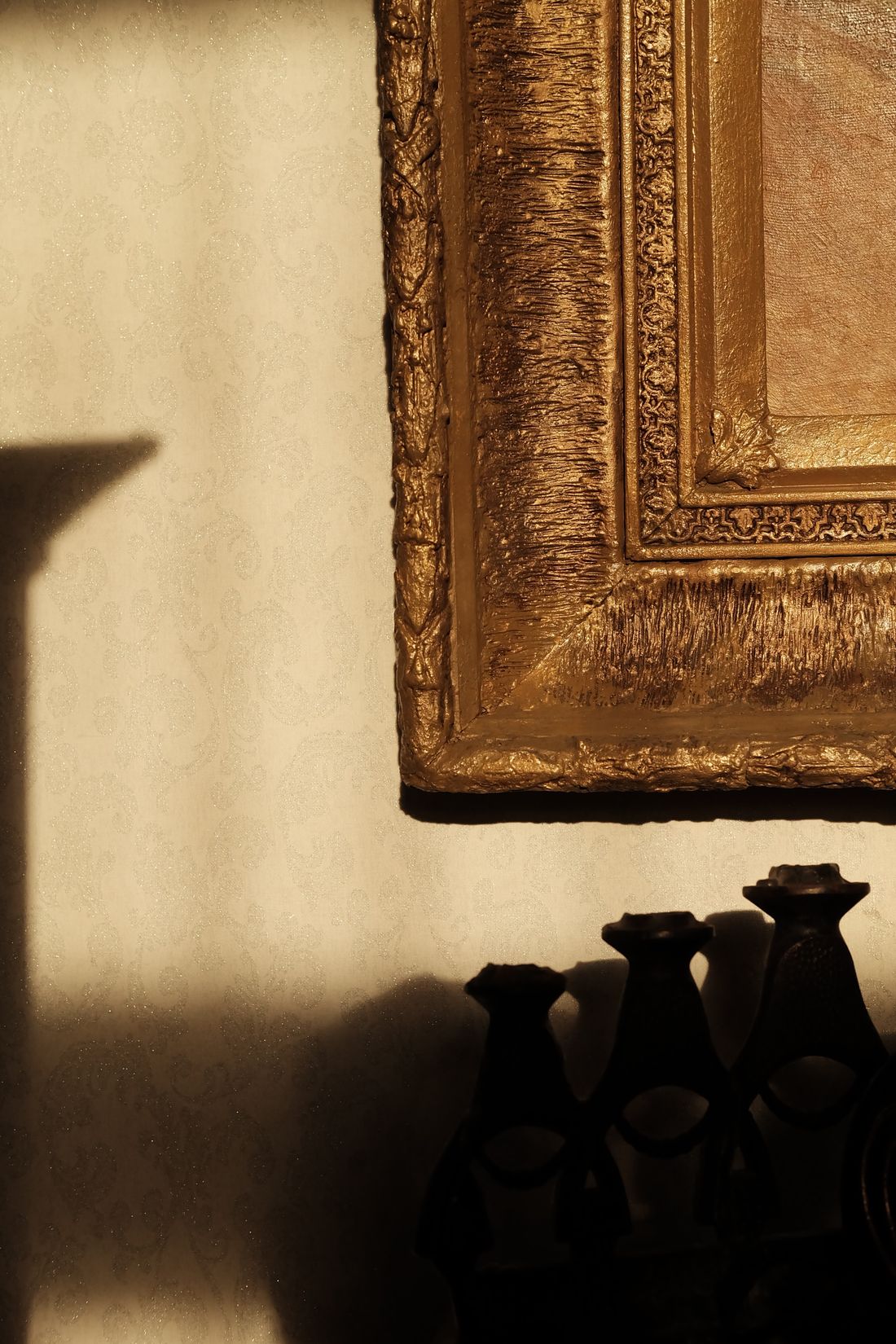
Does Where the Images Are Going Decide the Sequencing?
Yes, in most cases the destination of the images is the clearest way to settle this. A catalogue, grant application, or reproduction file wants the cleanest possible image of the piece itself, which points toward documenting before framing. A sale listing, gallery show record, or a piece going to a client's home wants an accurate picture of the finished, framed presentation, which points toward documenting after.
Working through a few common cases makes the pattern clear. A body of work heading to a print catalogue or an artist's website almost always wants the unframed version, since reproduction quality matters more than showing a frame that may change or vary piece to piece anyway. A piece going into a specific show, where the gallery has committed to a particular frame as part of the presentation, generally wants the framed version documented, since that framed presentation is what actually gets marketed and sold. A grant or archival submission usually wants the unframed image, focused purely on the work. A commission being delivered to a client, especially one the client is paying to have framed as part of the job, often benefits from both: an unframed record for the artist's own archive, and a framed image once installed, showing the client what they actually received. When the destination is mixed or unclear, that is usually the signal to ask the next question directly, which is what the following sections work through.
How Does the Framer's Schedule Change the Plan?
The framer's schedule sets the real constraint on this decision, because a piece is often only available unframed for a short window, either before it goes to the framer or during a brief pickup between framing and delivery. Coordinating the documentation shoot around that window matters more than debating the sequencing question in the abstract.
In practice, this usually means the unframed shoot has to happen before the piece is dropped off with the framer, since asking a framer to unframe a finished piece afterward adds cost, time, and a small handling risk that most artists and galleries would rather avoid. If an unframed record is needed and framing is already scheduled, the shoot needs to land in the days before drop-off, not after. A framed shoot has more flexibility, since it can happen any time after the piece comes back from the framer, whether that is immediately, once it arrives at a gallery or client's home, or once it is actually hung on a wall in its intended location. Turnaround time at the framer also matters here. A framer with a multi-week queue changes how far in advance the unframed shoot needs to be planned if that window is the only one available. The practical habit is to treat framing as the fixed point on the calendar and schedule documentation around it deliberately, rather than assuming both appointments will simply work themselves out on their own.
What Do We Recommend as the Default?
Our default is to document before framing whenever a piece is going to be reproduced, catalogued, or submitted anywhere the image itself is the point, and to document after framing only when the finished, framed presentation is specifically what needs to be recorded. When both records genuinely matter, we plan for two shoots rather than trying to make one image do both jobs.
This default holds up well because most documentation requests, when we ask what the images are actually for, turn out to be about the work itself rather than about how a particular frame looks on a particular wall. Catalogues, grant files, websites, and general archives all want the cleanest possible image, and framing rarely changes that answer. The cases where framed documentation is genuinely the priority tend to be specific and easy to name out loud: a gallery show with a unified framing presentation, a piece being sold as framed, or a client who wants a record of the piece exactly as it hangs in their home. Naming which case applies before booking either appointment is the part that actually prevents a scramble later, more than any particular lighting technique does. We ask this question directly during scheduling, specifically because the answer determines whether the shoot needs to happen before the piece goes to the framer or after it comes back, and that timing detail is much easier to plan for a week in advance than to fix once a framer's queue has already been booked.
Frequently asked questions
Should artwork always be documented before it's framed?
Not always. Documenting before framing is the better default when the image itself is the priority, for catalogues, grant files, or archival records, because there is no glazing to fight. But a gallery listing, a sale record, or a client's finished installation needs the framed presentation documented too, so the right answer depends on what the images are actually for, not on a fixed rule.
What if the frame itself is part of the artist's work?
Then the framed version needs to be documented at some point, because leaving it out skips a deliberate part of the piece. In that case we often still document the unframed work first for a clean reproduction file, then document it again once framed, so the archive has both the isolated work and the complete intended presentation on record, without either version standing in for the other.
Does glass or acrylic glazing change this decision?
It raises the stakes rather than changing the decision itself. Both materials reflect light and can slightly soften fine detail, but acrylic generally reflects less light and is lighter to handle safely during a shoot, while ordinary glass is more common on older frames or budget framing jobs. Either way, glazing is the reason documenting after framing takes more setup time and planning than documenting the bare piece does.
Can documentation happen after the piece is already installed?
Yes, and for a piece already hanging in a gallery, a client's home, or another permanent location, that is often the only realistic option left. Installed shoots add their own variables, ambient light, wall color, and a fixed hanging height, but they are the right choice when the goal is recording exactly how the piece lives in its finished setting rather than reproducing the work itself.
What if a piece was framed years ago and never documented unframed?
Removing an older piece from its frame for a clean shoot is possible, but it adds handling risk and framer time that a piece already framed at the point of sale never faced. In that situation, we usually recommend documenting it as framed now, since an accurate current record is more useful than delaying for an unframed version that may not be worth the added handling.
Give your collection a record that holds up.
We document artwork the way an adjuster or appraiser would actually want to see it: full views, accurate color, condition detail, and a system that keeps every file tied to the right record.
Explore artwork documentation →