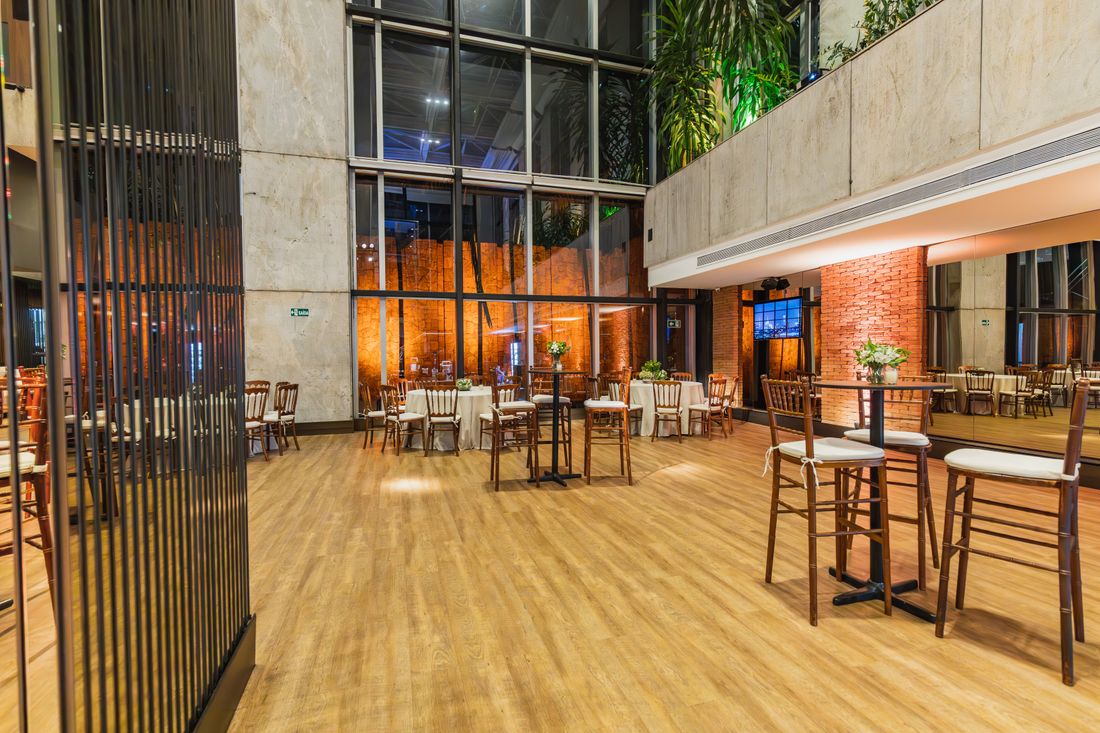
An embassy or cultural institute opening asks a photographer to answer to protocol before answering to the art on the walls. Camera placement gets decided by a security desk, not by where the light is best. A standard gallery opening trusts a photographer to move freely and read the room. This kind of venue trusts a photographer to already know where they are allowed to stand, and that difference shapes almost everything about how the night gets covered.
Covering an opening at an embassy or cultural institute means clearing access before the shoot, not during it. Credentialing, advance lists, and a security review of camera positions usually happen days ahead, and movement inside the space stays more restricted than a typical gallery opening allows. The shooting style follows the same logic: quieter, less improvisational, with real discretion about who ends up photographed and who does not. The art still matters, but protocol decides how close a camera gets to it.
What Is the First Thing That Changes at an Embassy or Cultural Institute Opening?
The first thing that changes is when the planning happens. A standard gallery opening usually needs a walkthrough the same week, sometimes the same day. An embassy or cultural institute opening needs access cleared in advance, often with a name list submitted ahead of the event and a point of contact on the host side who can vouch for the photographer before anyone shows up with a camera.
This is not extra paperwork for its own sake. These venues run their own security review separate from the gallery or the artist hosting the show, and that review has its own timeline that does not bend for a shoot date. Submitting credentials early, confirming the exact arrival window, and knowing which entrance to use are the parts of the job that happen at a desk, not on the night.
The practical result is a shoot that starts calmer. Nobody is negotiating access at the door while guests are already arriving. The photographer walks in already cleared, already known to whoever is checking names, and that clearance is what buys the freedom to actually focus on the art and the room once inside.
This earlier timeline also changes who the photographer needs to talk to first. At a gallery opening, the gallery itself usually answers every logistical question. At an embassy or cultural institute, that single point of contact often splits into two: the institution hosting the space and the gallery or artist organizing the show. Sorting out early which of them actually controls access saves a scramble later.
Why Does Camera Placement Get Decided Before the Art Does?
Camera placement at an embassy or cultural institute gets decided by a security review before anyone considers where the art photographs best. A position that would be the obvious choice at a gallery, close to a doorway, near a stage, along a sightline through several rooms, might be off-limits here for reasons that have nothing to do with the work on the walls.
These reviews consider sightlines into secured or private areas, proximity to entrances used by dignitaries or staff, and general movement patterns the venue wants to keep predictable. A photographer used to reading a room and repositioning freely has to unlearn that instinct here. The better approach is confirming allowed positions in advance and working within them, rather than testing boundaries once the room fills with guests.
Working inside a fixed set of positions is a real constraint on composition, and it changes how a photographer plans the shot list. Wider, more patient framing tends to do more work than the kind of tight, roaming coverage a gallery opening rewards, because the camera is not moving to chase a better angle. The angle has to be decided ahead of time, and the shooting has to make peace with it.
It helps to walk the approved positions once during the pre-event check-in, if the venue allows it, rather than trying to memorize a verbal description. Seeing the actual sightline from an approved spot, what it does and does not capture, is the difference between a shot list that works on paper and one that actually works once the room fills with people and movement.
What Does Advance Credentialing Actually Involve?
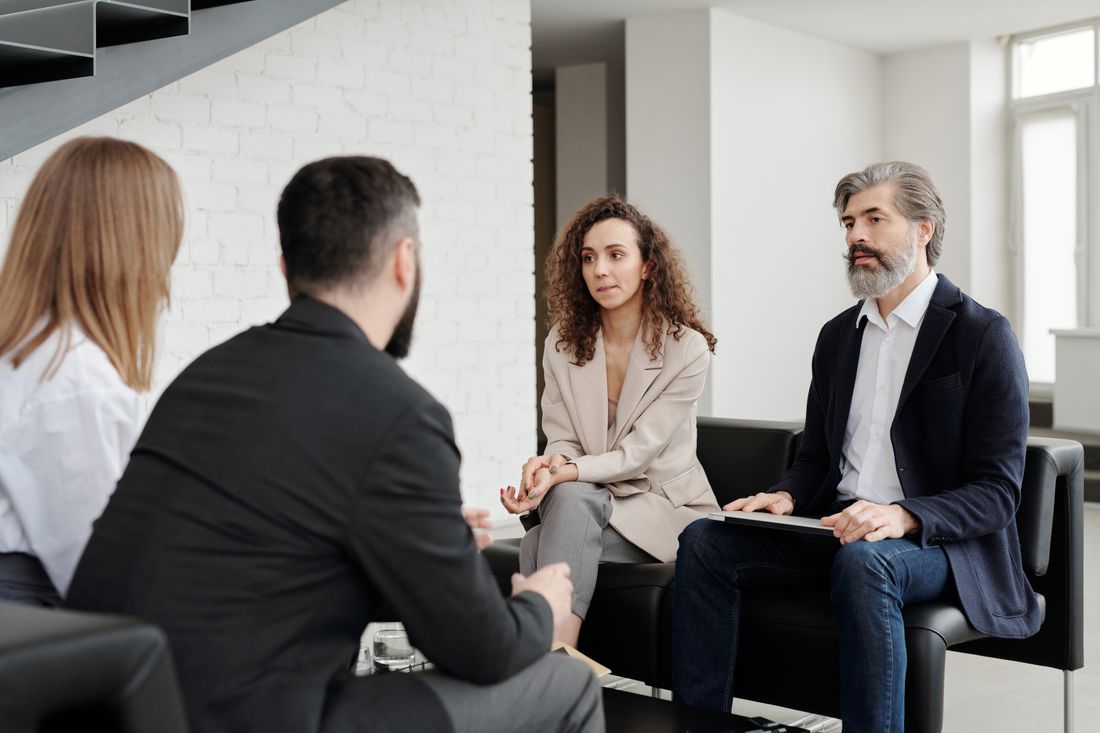
Advance credentialing at these venues typically means submitting a photographer's name, and sometimes a form of identification, to the host institution ahead of the event, so security has already confirmed who is arriving with a camera before the night begins. This is a separate step from the general guest list, and it usually has its own earlier deadline.
The host institution, whether an embassy or a cultural institute, is the one setting these terms, not the gallery or the artist. That means the photographer's usual point of contact for the shoot, the gallery director or the artist's team, is not always the person who can actually clear access. Confirming who owns credentialing early avoids a last-minute scramble where the gallery assumes the embassy has it handled and the embassy assumes the gallery does.
Once cleared, a credentialed photographer usually gets a specific badge, a known entrance, or a name on a checked list at the door. None of this is unusual for a diplomatic or institutional venue. It is simply a step that a standard gallery opening does not require, and skipping it, or leaving it until the week of the event, is the single easiest way to lose access to a shoot that was otherwise fully planned.
Equipment sometimes needs its own note in the same submission, particularly camera bodies, bags, and any lighting gear being carried in. Listing this ahead of time, rather than explaining it at a security checkpoint on the night, keeps the arrival itself quick and unremarkable, which is exactly the impression a credentialed photographer wants to make at the door.
How Restricted Is Movement Once Inside the Building?
Once inside, movement usually stays limited to the rooms hosting the reception and the art on view, with certain hallways, staircases, or adjoining offices treated as off-limits regardless of how good the light looks through a doorway. This is a firmer boundary than a typical gallery opening sets, where a back office or a storage room might just be an informal ask-first area.
A cultural institute or embassy tends to have a working staff presence beyond the event itself, offices, archives, sometimes residential areas in the case of an embassy, and those spaces stay separated from guest circulation as a matter of course, not as a special restriction placed on photography specifically. The photographer is simply operating inside the same boundary every guest is operating inside.
The adjustment that matters most is treating an interesting doorway or hallway as a maybe, not a default. At a gallery opening, wandering toward an open door usually costs nothing. Here, it can read as testing a boundary that was already made clear during credentialing, and the safer habit is asking the venue's own staff before drifting anywhere the guest flow does not already lead.
A useful habit is identifying the venue's own staff early in the evening, whoever is stationed near the entrance or moving through the reception, so there is a known person to ask if a question comes up mid-event rather than guessing and hoping the guess is right.
Why Does Discretion About Who Gets Photographed Matter More Here?
Discretion about who ends up in frame matters more at these events because the guest list often includes people who have a real reason to avoid being photographed, diplomatic staff, private donors, or attendees whose presence at a given event is not meant to be public. A standard gallery opening rarely has to think about this at all.
This changes the working habit around candid coverage. At a typical opening, a photographer moves through a crowd and captures genuine reactions and conversations without much second-guessing. At an embassy or cultural institute event, the safer approach is watching for who seems to be actively avoiding the camera, and respecting that without making it a visible moment, no lingering, no repositioning to get the shot anyway.
None of this means fewer usable images. It means being more deliberate about who becomes the subject of a frame and who stays part of the background texture of the room. A frame full of blurred motion and ambient conversation still reads as a lively, well-attended opening, without turning a specific, camera-shy guest into the center of a photograph they never agreed to be in.
When in doubt, the safer instinct is asking the host in advance whether any names or roles need particular care, rather than guessing in the moment from body language alone. A host who already knows their own guest list can flag this in seconds during the pre-event briefing.
How Does the Shooting Style Actually Change on the Night?
The shooting style at an embassy or cultural institute opening tends to be quieter and less improvisational than at a standard gallery opening, with fewer sudden repositions, less close-in candid work, and a general posture of staying predictable to the room rather than moving unexpectedly through it.
A gallery opening rewards a photographer who reads energy and chases it, ducking low for an angle, crossing a room quickly when a good moment starts to happen. That same instinct reads differently in a room where security is actively watching movement patterns, and a person moving quickly and unpredictably with a camera draws exactly the kind of attention nobody wants during a diplomatic reception.
The practical shift is toward planned, steady coverage: fixed positions, wider shots that capture the room's atmosphere without chasing individual faces, and patience between frames rather than constant repositioning. It produces a different feeling of coverage, less kinetic, more composed, which usually suits the tone of the event itself. A formal reception at an embassy is not trying to feel like a loud opening night, and the photography holding that same quieter register tends to serve the client better than importing a gallery-opening energy that does not belong in the room.
Flash and shutter noise deserve the same restraint. A conversational reception in a formal room notices a loud shutter or a bright flash far more than a crowded gallery opening does, and leaning on available light with a quieter camera setting usually reads as more professional in this setting, not less.
What Should the Host Tell the Photographer Before the Event?
The host, whether the embassy, the cultural institute, or the gallery organizing the show, should brief the photographer in advance on cleared camera positions, any restricted areas, and any specific guests or moments that need to stay out of frame. Waiting to explain these boundaries verbally at the door, once the room is already filling up, leaves too little room to plan around them.
A short written brief covers most of what matters: which entrance to use, who to check in with on arrival, where the camera is welcome to move, and any specific sensitivity around particular guests or moments in the program. This is a small amount of coordination that saves a real amount of friction on the night itself, and it is worth requesting even when the host does not offer it first.
The photographer's own responsibility is asking for this brief clearly and early, rather than assuming a diplomatic or institutional venue will volunteer every detail unprompted. Most hosts are used to working with photographers who already understand this kind of event, and a short, specific set of questions asked a few days ahead usually gets a fast, complete answer.
It also helps to ask whether a formal program exists for the evening, remarks, a toast, a specific unveiling moment, since those planned beats are usually the safest and most welcome moments to shoot closely, in contrast to the quieter, more reserved coverage that fits the rest of the reception.
What Stays the Same as a Standard Opening, Even With These Restrictions?
Even with tighter access and a quieter shooting style, the actual goal of the coverage stays the same as any gallery opening: honest documentation of the art, the room, and the people who came to see it. Protocol changes how the photographer moves. It does not change what the images are ultimately for.
The art on the walls still deserves careful, well-lit coverage, framed the same way it would be at any other opening once the photographer has a cleared, workable position to shoot from. Guests who are comfortable being photographed still get warm, natural coverage of real conversation and genuine reaction. The event still needs a set of images that read as a complete, well-attended evening rather than a restricted or nervous one.
What changes is entirely procedural, not creative. A photographer who treats the credentialing and the security review as the actual job, not an obstacle standing in front of the real job, tends to produce coverage that feels just as warm and complete as a standard opening, because the discipline happened earlier, before the camera ever came out, rather than showing up as visible hesitation once the room was full.
The clients who commission this kind of coverage, an embassy, a cultural institute, a gallery hosting a show in that kind of space, are usually not asking for a different result than any other opening client. They are asking for the same warm, complete record, delivered by someone who already understands the room they are walking into.
Frequently asked questions
How far in advance does a photographer need to be credentialed for an embassy event?
It varies by venue, but submitting a name and basic identification at least a week ahead is a reasonable default, and some institutions ask for more notice than that. Confirming who owns credentialing, the embassy, the cultural institute, or the gallery hosting the show, early on avoids finding out too late that nobody actually submitted the request. Building this into the initial booking conversation, rather than treating it as a separate later task, is the simplest way to make sure it does not slip.
Can a photographer move freely once inside an embassy or cultural institute?
Not the way they might at a standard gallery opening. Movement usually stays limited to the rooms hosting the reception, with offices, staircases, and adjoining areas treated as off-limits. Confirming cleared positions and boundaries during the advance briefing, rather than testing them once the room fills with guests, is the safer approach. Identifying a venue staff contact early in the evening gives the photographer someone to ask if a boundary question comes up mid-event.
Does tighter security mean fewer usable photos from the event?
Not necessarily. It shifts the coverage style toward wider, more composed shots from fixed positions rather than close, roaming candids, but a full, warm record of the art, the room, and the guests who wanted to be photographed is still very achievable within those boundaries. Planned program moments, remarks, a toast, an unveiling, are usually the safest and most welcome times to shoot more closely, filling out the rest of the coverage.
Who decides which guests should not be photographed at a diplomatic event?
This is usually a mix of what the host briefs in advance and what the photographer reads on the night, watching for guests who are actively avoiding the camera. A short pre-event conversation about any specific sensitivities helps, but ongoing discretion during the shoot matters just as much, since a host cannot always anticipate every moment a particular guest might prefer to stay out of frame.
How is covering an embassy opening different from a standard gallery opening?
The core difference is when the important decisions get made. A gallery opening lets a photographer read the room and adjust on the fly. An embassy or cultural institute opening asks for camera positions, access, and boundaries to be settled in advance, with a quieter, steadier shooting style once the event actually begins. The end result still aims to feel just as warm and complete as any other opening night, only reached by a different, more deliberate path.
Got overlapping openings already on the calendar?
We work out the coverage plan well before the night gets close, whether that's two shooters, a tight schedule, or simply booking early enough to avoid the conflict entirely.
Explore event coverage →