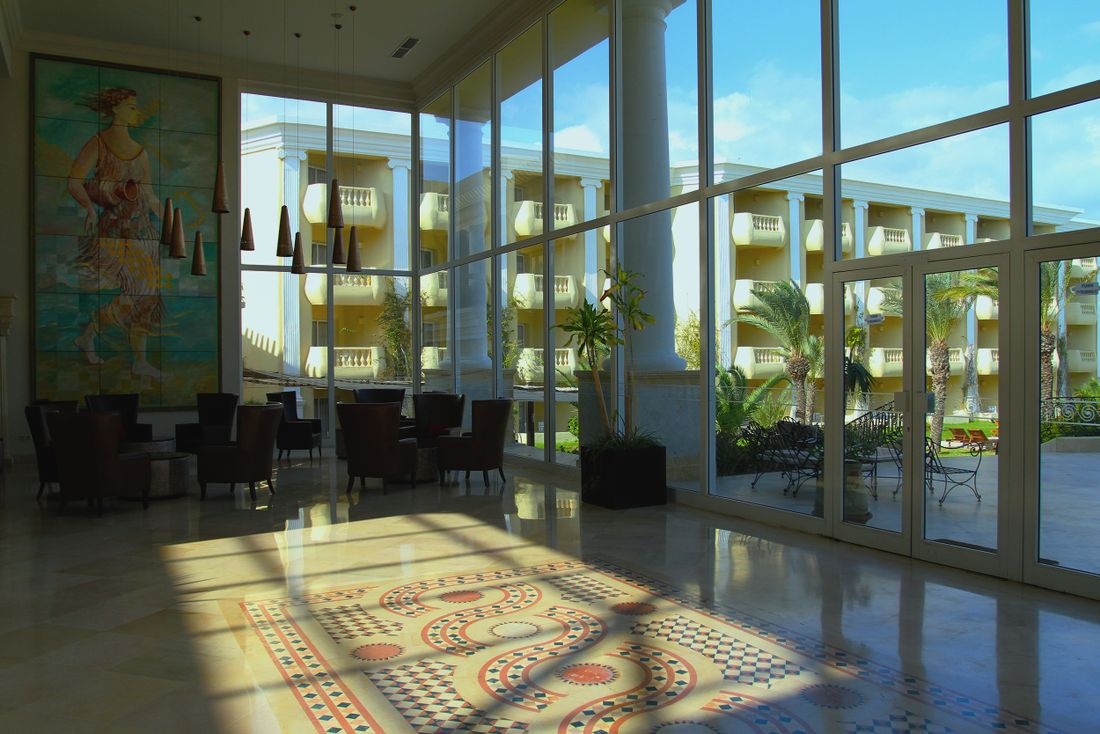
A gallery collection usually has a home base. A corporate art program may have several floors, buildings, entrances, conference rooms, and people who need to understand what is where. The artwork still needs a clear visual record, but the record has to travel with the program as the workplace changes around it.
A corporate art program needs documentation that connects each work to its current placement, installed context, movement history, consistent name, and the people responsible for the next handoff. A gallery collection often prioritizes repeatable views of each work in a controlled setting. The difference is not better or worse documentation. It is a different record keeping job.
What Does a Corporate Art Program Need Documented That a Gallery Collection Does Not?
A corporate art program needs a record that explains both the artwork and the workplace around it. That means documenting the work itself, its current location, how it sits in the installed space, and what changes when it moves. A gallery collection can often rely more heavily on a stable home base and repeatable capture conditions.
That difference begins with the word program. A corporate art program is a collection experienced across working spaces rather than one dedicated viewing environment. The record has to help someone understand a work on a particular floor, in a particular room, or along a particular circulation path. It also has to stay useful when the person who selected or installed the work is no longer the person answering questions about it.
A gallery collection still benefits from placement and context, especially when work is installed or exhibited. The emphasis is simply different. A gallery can organize documentation around a collection of works and a controlled set of views. A corporate program has to connect those views to an active environment, where furniture moves, offices change, and visitors encounter the work as part of a larger building.
That is why a useful brief should name the record's future readers before anyone picks up a camera. The right set may need a full artwork view, detail views, a wider installed view, and a clear location note. The point is not to create more files for their own sake. It is to make each file answer a different practical question.
Why Does Placement Matter More in a Corporate Art Program?
Placement matters more in a corporate art program because the collection is distributed through places with different names, functions, and rhythms. A work may sit near a reception desk, outside a meeting room, along a corridor, or in a private office. The record should make that difference visible without turning an address or tenant directory into the subject.
For a gallery collection, a location note may be simple because the collection has one known home, storage area, or exhibition plan. In a corporate setting, location is part of the work's current identity inside the program. A photograph that shows the artwork alone may be accurate, but it does not explain where a colleague will find it or how the work relates to the room.
That does not mean every image needs to be a wide building photograph. A useful placement record usually has layers. The full view shows the work clearly. A wider frame shows the surrounding wall, nearby furniture, and circulation. A written location label then carries the detail that the picture should not reveal, such as a room name or internal reference.
The visual approach should remain restrained. Avoid readable signs, directories, addresses, and badges in the frame. Those details can date the record or expose information that does not belong in a public-facing image. The job is to show the relationship between work and place, not to publish the building's entire wayfinding system. That distinction keeps the documentation useful for internal continuity and honest about what the photograph can prove.
Why Does Installed Context Belong in the Record?
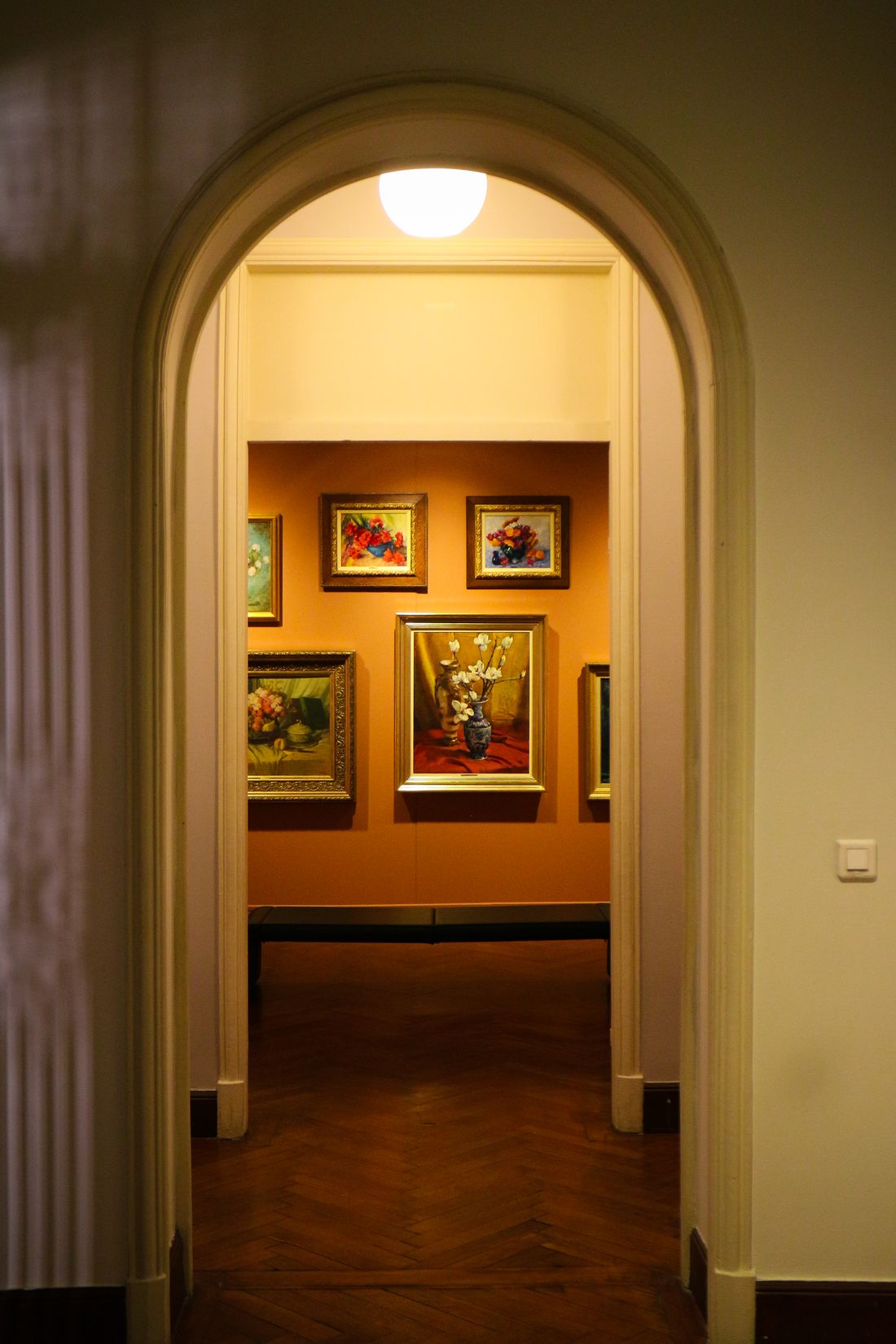
Installed context belongs in a corporate art record because scale, distance, lighting, and circulation change how a work is encountered. A gallery-style isolated view can describe the artwork clearly, while an installed view explains its relationship to the room. A program often needs both, because neither frame can answer every question alone.
The isolated view carries the visual reference. It gives the team a dependable look at the artwork without surrounding furniture, reflective surfaces, or passing activity competing for attention. That frame is useful when someone is checking whether the correct work is being discussed or comparing images across the collection.
The installed view carries the spatial reference. It can show whether the work sits above a console, beside a doorway, near a seating area, or along a long corridor. It can also make the lighting conditions legible. Daylight, overhead fixtures, reflections, and shadows all affect the way a person experiences the work in place, even when the artwork itself has not changed.
Context should be selected with a future reader in mind. A wide room view that makes the work tiny is not automatically more informative. The frame needs enough architecture to establish the setting while preserving the artwork as the reason for the image. Keep the camera position intentional, keep distracting text out of view, and let the image show the relationship rather than trying to explain the whole building. That is a visual record, not a property tour.
What Should Be Recorded When Artwork Moves?
When artwork moves inside a corporate program, the record should make the change legible. Capture the work consistently before it leaves its current place, document its new placement with the same care, and keep the old and new location references connected. The useful goal is continuity, so a later reader can follow the work without guessing.
Movement changes more than an address. The wall color may shift, the light may come from another direction, and the distance from the viewer may change. Furniture can block part of a piece in one room and leave it open in another. A full view and a context view at each meaningful placement give the record a way to separate a change in the artwork from a change in its surroundings.
Use the same capture logic whenever possible. Keep color and exposure controlled, preserve enough detail to recognize the work, and include a wider frame that shows the new relationship to the room. If the work is too large or reflective for one standard setup, note the exception instead of pretending every image was made under identical conditions.
The movement record should also leave room for a simple human handoff. A person receiving the files should be able to tell which image belongs to the previous placement, which belongs to the current one, and what still needs confirmation. That is a production decision, not a claim about conservation or legal custody. It simply keeps the visual record aligned with the program's physical reality.
Why Does Consistent Naming Matter Across Floors and Buildings?
Consistent naming matters because a distributed collection can be described differently by every person who encounters it. One person may use an artist's name, another may use a nickname for the work, and a third may refer to the room where it hangs. A stable naming convention gives the photographs and notes one clear way to stay connected.
A gallery collection can sometimes lean on an established exhibition or collection vocabulary. A corporate program has more handoffs, which makes casual naming expensive in time even when nobody means to create confusion. The same work can appear in a presentation, a floor plan, a move note, a facilities conversation, and a documentation folder. If the labels drift between those places, the image record becomes harder to trust.
The naming system does not need to become elaborate. Decide which visible title, artist name, reference code, and placement label belong in the working record. Keep those fields in the same order. Separate a work's name from the room where it currently sits, because the room may change while the work does not. A file name can stay compact while an accompanying note carries the fuller context.
Photography supports this system by making the visual files predictable. Use the same sequence for full views, details, and installed context. Avoid hiding multiple meanings inside one filename. When someone opens a folder months later, the structure should explain what each image is doing before they need to ask the person who made it. That is a small courtesy with a long shelf life.
How Can Documentation Survive a Stakeholder Handoff?
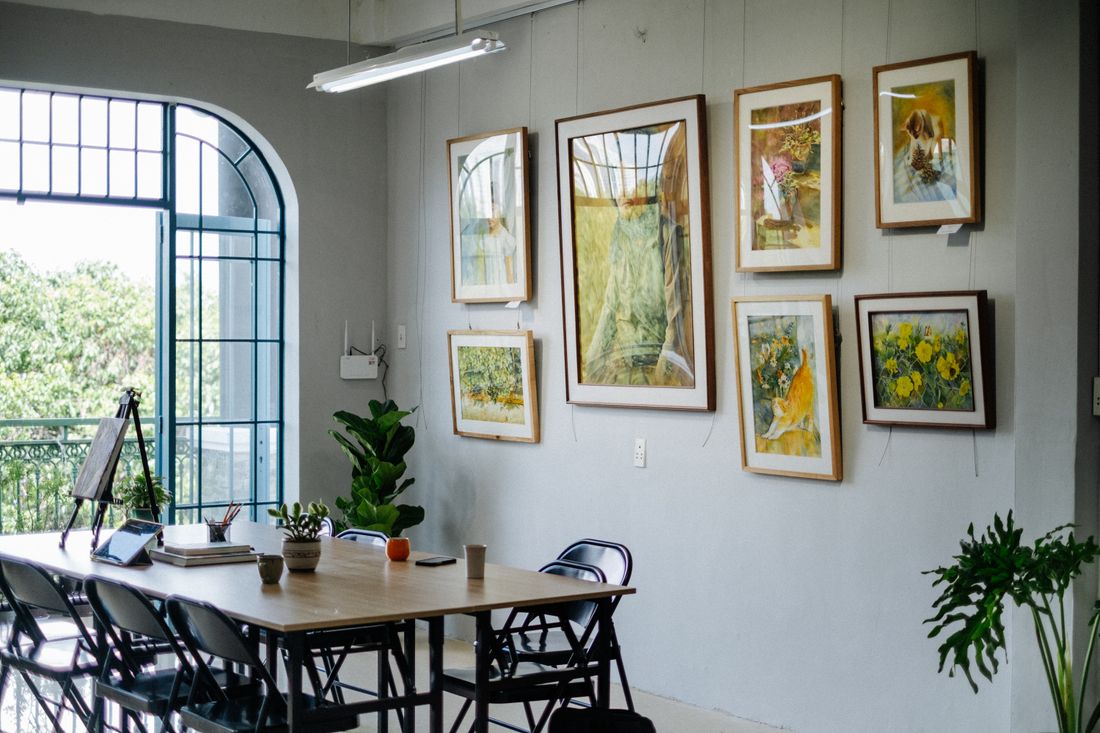
Documentation survives a stakeholder handoff when it is organized around the questions the next person will actually ask. They may need to identify a work, find its current placement, understand how it looks installed, and see what changed since the last record. A clear image set and plain notes can carry that context without requiring the original project history.
Gallery documentation often moves between an artist, gallery, registrar, curator, or archive with a shared vocabulary. A corporate program may cross facilities, workplace experience, brand, communications, and outside vendors. Those groups may use different words for the same room or request different image sizes. The record should be generous enough to support those uses while staying specific about what each photograph shows.
One practical approach is to separate the image roles. Keep a clean full view for the artwork. Keep a detail view for surface or material information that the full frame cannot show. Keep an installed view for place and scale. Pair those images with a short location and naming note, using language that can be understood by someone who was not present for the shoot.
Delivery structure matters as much as capture. A folder that groups files by work and then by image role is easier to pass along than a single stream of unnamed exports. The exact folder convention can follow the program's existing habits. The principle is stable. The person receiving the record should not have to decode the photographer's private filing system before using it.
Why Should Renovations Trigger a Documentation Refresh?
A renovation should trigger a documentation refresh when it changes how the artwork is placed, lit, approached, or understood in the workplace. The artwork may be untouched, but a new wall, doorway, floor plan, or lighting scheme can make an old context image inaccurate. Refreshing the record keeps the visual reference aligned with the place people actually see.
Not every cosmetic change requires a new full set. Start by asking what changed and what the existing images are still being used to answer. If the artwork remains in the same position and the old isolated view is still clear, a new installed frame may be enough. If the work moved, the wall changed substantially, or the surrounding circulation now tells a different story, the refresh needs more room.
This is where a corporate program differs from a gallery collection that has stayed in a controlled display or storage environment. The workplace is a live setting. Doors are added, furniture is rearranged, departments move, and a corridor can become a different kind of space without anyone making a formal exhibition announcement. Documentation should respond to those practical changes.
A refresh also creates a useful moment to check consistency. Are the names still being used the same way? Do the new images match the earlier capture closely enough to compare? Are there works that have moved and never received an updated context frame? The work does not need to become a grand audit. A focused refresh can make the record honest again and show where the next session should begin.
How Should You Brief Documentation for a Corporate Art Program?
Brief the documentation around the program's recurring decisions, not just around the number of artworks. List the works, current locations, expected image roles, naming conventions, and any spaces that may change soon. Then decide which views need to be repeatable across the collection and which details only matter for a particular installation.
We'd start by separating the visual questions. What does the work look like on its own? How does it sit in the room? What material or surface detail needs a closer view? Where is it now, and what should be updated if it moves? Those questions create a practical shot list without turning the session into a catalog of every possible angle.
Next, describe the working environment. Note the floors or buildings involved, access windows, reflections, circulation, and any spaces that cannot be photographed with readable signage. If the program includes several locations, group the work by route rather than forcing the photographer to cross the same building repeatedly. The best route plan protects attention as much as it protects time.
Finally, define the handoff before the files exist. Name the people who will use the record, the folder structure they can understand, and the image roles that should be delivered together. We document artwork with full views, detail views, and context in mind, then shape the set around the record's real future use. A corporate program does not need a gallery costume. It needs a record that can keep up with the workplace.
Frequently asked questions
How is corporate art program documentation different from gallery documentation?
A corporate art program usually needs the artwork record tied to changing workplace context. That includes current placement across floors or buildings, installed views, movement notes, consistent naming, and files that survive handoffs. Gallery documentation often puts more emphasis on repeatable artwork views in a controlled environment. Both need clear images, but the corporate record has to follow the work through an active workplace. The setting is part of the record's practical meaning.
Should every corporate artwork be photographed in its installed location?
Not every work needs the same number of context images, but an installed view is useful whenever placement affects scale, light, circulation, or how the work is encountered. Pairing a clean full view with a wider context frame gives the record two jobs. The artwork stays legible, and the location remains understandable without making every image a building photograph. Choose the wider view when the room changes how the work reads.
What should be updated when artwork moves to another floor?
Update the current placement reference, make a new installed context image, and connect it to the earlier record so the change is easy to follow. A clean artwork view may still be reusable if it remains accurate. Check the lighting, wall, furniture, and circulation in the new space, because those changes affect what the context image needs to show. Keep the old placement visible as part of the movement history.
Why does naming matter for a distributed corporate art collection?
Consistent naming keeps the same artwork connected across photographs, location notes, presentations, move records, and stakeholder handoffs. Choose a stable work name and artist reference, then keep the current placement as a separate field because rooms and floors can change. The simpler the naming convention is to repeat, the more useful the visual record becomes over time. It gives every new handoff the same starting point.
Can a corporate art program use the same documentation standard after renovations?
Yes, a shared standard makes refreshes easier to compare, but the images may need to adapt to the new space. Keep the same basic capture logic for full views, details, color, and context, then update the installed frame when walls, lighting, circulation, or placement change. The standard should stay stable while the workplace details remain honest. That balance keeps old and new records readable together.
Make sure your archive means something when someone asks for proof.
We photograph the work the way an insurer or gallery registrar wants it documented, straight views, correct color, and condition callouts you can actually point to later.
Explore artwork documentation →