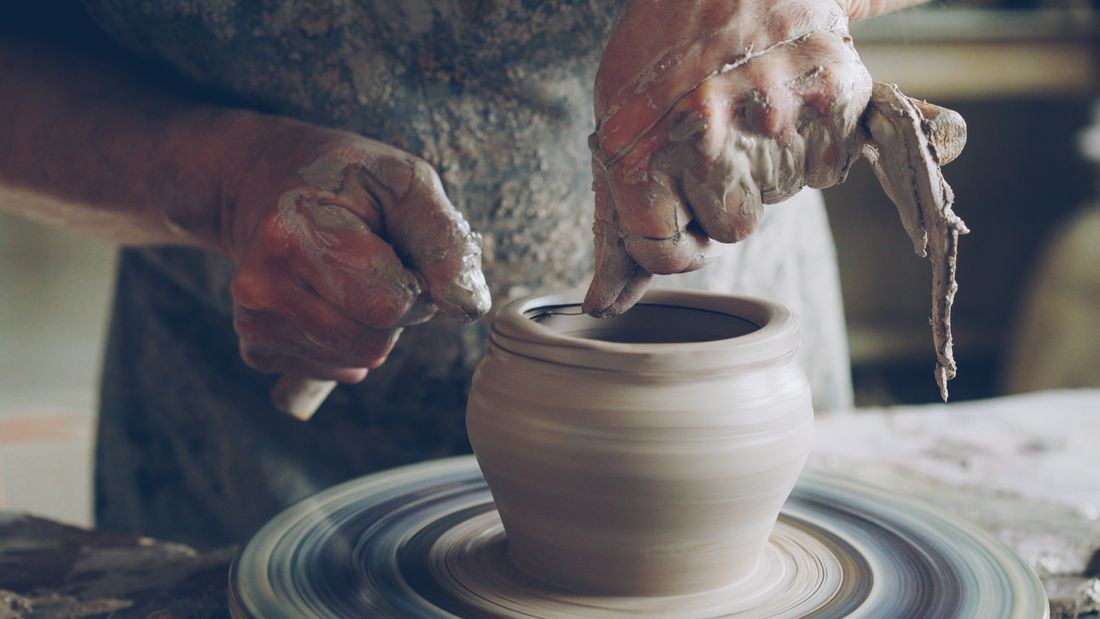
A maker's brand film runs into a specific version of a familiar problem: the more effectively it sells the work, the more it risks flattening the exact thing that makes the work worth selling. Generic process footage is easy to shoot and easy to forget. A film that actually captures the texture of a hands-on practice, without turning that practice into an advertisement for itself, takes more restraint than most productions plan for going in. The difference usually comes down to a handful of editorial choices: what the camera lingers on, what it deliberately leaves alone, how much a voiceover explains versus lets the footage speak, and whether the pacing follows the real rhythm of the work or borrows the rhythm of an ad.
A maker's brand film sells the process by showing real, specific skill rather than explaining it, leaving out anything that reads as a full tutorial, and letting the work's own pace set the edit instead of trend-driven cuts or a voiceover that oversells. Restraint, not polish, is usually what keeps a maker's film from feeling like an ad.
What Does It Mean for a Maker's Brand Film to Sell Out the Craft?
A maker's brand film sells out the craft when it treats the process as a marketing device instead of the actual subject. That happens when the footage exists mainly to prove competence to a buyer, or when the pacing and music borrow the language of an ad more than the language of the studio itself.
The craft itself doesn't get compromised by being filmed. Plenty of makers welcome a camera into the workshop and come out the other side with something that still feels honest. What actually erodes the feeling is a set of small editorial choices stacked on top of the footage: a narrator explaining the work back to the maker in confident marketing language, cuts timed to a beat drop instead of the rhythm of the hands, or a closing line that turns years of practice into a slogan.
Many artists sense this risk before a shoot even starts, which is part of why some hesitate to film their process at all. The worry isn't usually about being seen working. It's about the work being repackaged into something that reads as a pitch rather than a record of what actually happens in the room.
Naming the difference matters because it changes what gets protected during editing. A team that knows the risk is in the packaging, not the filming, can shoot generously and still make careful choices later about tone, music, and how much the film explains itself.
How Is a Maker's Brand Film Different From a Generic Process Video?
A maker's brand film differs from a generic process video because it has to work as brand storytelling, not just a demonstration. A process video can simply show a technique from start to finish. A brand film also has to carry tone, pacing, and an emotional throughline that represents the studio itself.
A straightforward process video answers a practical question: how does this get made. It can be instructional, sequential, and complete, because usefulness is the whole point. A brand film is built for a different job. It needs to give a potential client or collector a feeling about the work and the person behind it, in a couple of minutes, without ever spelling that feeling out directly.
That difference changes almost every decision on set. A process video can linger on a single technique as long as it takes to actually explain it. A brand film usually can't, because the goal isn't teaching the technique, it's representing the practice as a whole, which often means showing several different moments rather than one complete sequence.
It also changes what counts as a successful shot. In a process video, a shot succeeds if it's clear. In a brand film, a shot succeeds if it's true to how the work actually feels to be near, even when it isn't fully explained. That's the distinction worth holding onto before any filming plan gets made.
What Should the Camera Show, and What Should It Leave Alone?
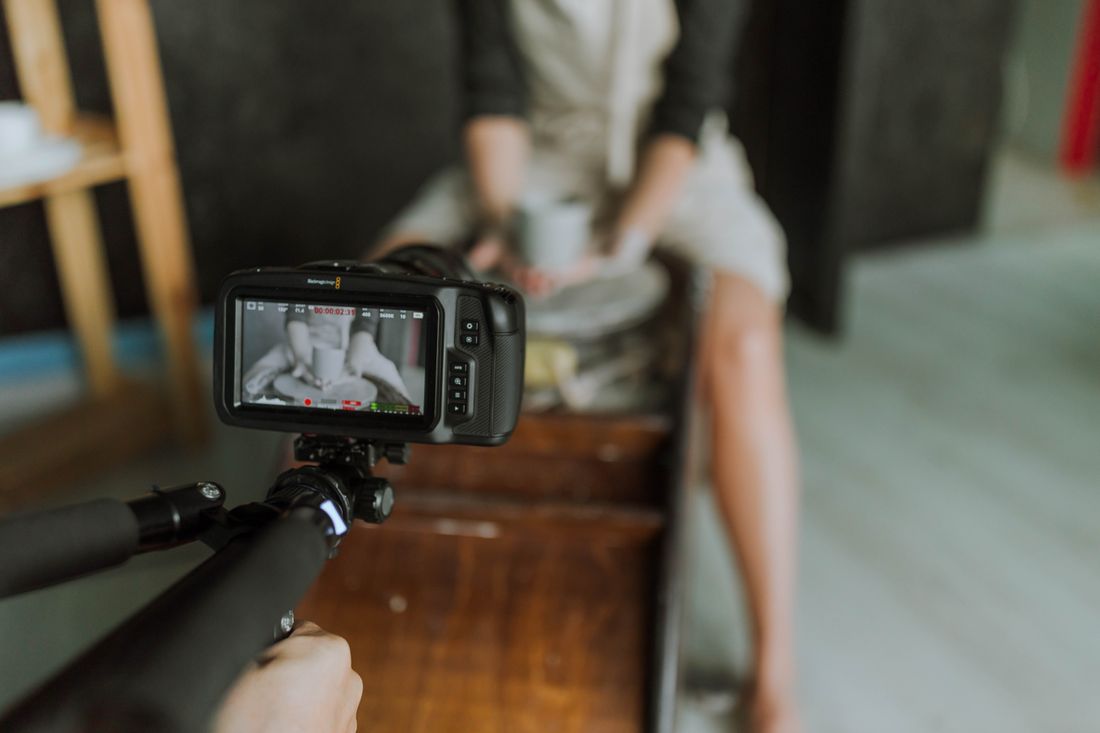
The camera should show enough of the process to feel specific to that maker, and leave alone anything that would let a viewer replicate the technique or that interrupts the maker's actual working rhythm. Specificity builds trust. Full technical exposure turns the film into a tutorial the maker never agreed to make.
What's worth showing tends to be the material reality of the work: hands moving with real skill, tools being used the way they're actually used, the texture of a half-finished piece, the mess and order of the specific room. These details are hard to fake and hard to generalize, which is exactly why they read as honest rather than staged.
What's worth leaving alone is usually a specific sequence or measurement that would function as instruction if fully shown, along with anything that requires the maker to pause and perform for the camera instead of simply working. A maker who has to explain a step out loud, on request, mid-process, is no longer making the piece. They're narrating a demonstration, and that shift is visible on screen even when nobody names it.
A useful test during planning is to ask what a viewer would actually take away from a given shot. If the honest answer is admiration for the skill and the result, the shot belongs in the film. If the honest answer is a usable amount of the method itself, that shot probably belongs in a different kind of video, one the maker chooses to make on their own terms.
How Much Voiceover Is Too Much for a Film About Process?
Voiceover becomes too much the moment it starts explaining what the footage is already showing. A maker's brand film usually needs less narration than people expect going in, because skilled hands working on real material carry meaning on their own, and a voiceover that fills every silence tends to flatten that into something closer to an advertisement.
The instinct to over-narrate usually comes from a reasonable place: a fear that the viewer won't understand the value of the work without being told. In practice, the opposite tends to be true. A viewer watching someone work with obvious skill draws their own conclusions faster than a script can state them, and those self-formed conclusions land with more weight than a stated claim ever will.
Where voiceover genuinely earns its place is context a camera can't show: how long the maker has been working this way, why a specific material matters to them, what a piece is for once it leaves the studio. That's information, not persuasion, and it can sit quietly under the footage without competing with it.
The line worth watching for in a script draft is any sentence that tells the viewer how to feel rather than what's true. A line describing a material or a process choice belongs. A line asserting that the work is exceptional, without the footage doing that convincing on its own, is the kind of sentence that starts to sound like every other maker's brand film instead of this one.
How Does Pacing Decide Whether the Craft Feels Honored or Produced?
Pacing signals respect for the craft when cuts follow the actual rhythm of the work, and signals exploitation when cuts are timed to music or momentum instead. A slow technique edited into quick, punchy cuts tells the viewer the real pace wasn't good enough to hold attention, undercutting the exact thing the film is meant to honor.
Craft work has its own tempo, and that tempo is rarely fast. Throwing a pot, hand-stitching leather, carving a joint, these processes involve real waiting, real repetition, and real stillness. A film that respects the work lets some of that stillness stay on screen, trusting that a few unhurried seconds of focused hands reads as confidence rather than dead air.
A film that doesn't trust the material starts compensating with speed: rapid cuts, sped-up footage, a soundtrack doing the work the pacing should be doing. That can still look polished, but it tends to read as a film that's selling the idea of craft rather than actually showing it, because real skilled work rarely looks that frantic in the room.
None of this means every cut has to be slow. A brand film still needs momentum and shape, and a few faster sections can help the piece breathe. The difference is whether the edit is built around what the process actually looks like, or built around a generic sense of what an engaging video is supposed to look like regardless of what it's documenting.
Should the Maker Narrate the Film, or Should the Process Speak for Itself?
The maker's own voice works best when it sounds like someone talking about their work naturally, not reading a script written for them. Letting the process speak for itself is the safer default when the maker isn't a comfortable on-camera talker, since an awkward, over-rehearsed voiceover can undercut authenticity faster than having no narration at all.
When a maker does narrate, the strongest material usually comes from a real conversation rather than a scripted read. Asking specific questions on set, why this material, what changed after years of doing this, what almost went wrong on a recent piece, tends to produce answers that sound like the person, because they are the person, thinking out loud rather than performing a pitch.
A film with no narration at all is also a completely valid choice, and often the more honest one. Ambient sound, room tone, the specific noise of a tool against material, can carry a film just as effectively as a voice does, especially when the goal is to make the viewer feel present in the space rather than told about it.
The decision usually comes down to what's actually available. A maker with a natural, unforced way of talking about the work is worth recording. A maker who visibly stiffens in front of a microphone is better served by a quiet film built entirely from footage, sound, and a few short captions where real context is genuinely needed.
What Turns Genuine Craft Into Something That Reads as Commodified?
Craft starts to read as commodified when a film reduces years of skill to a single marketable idea, like a tagline or a comparison to something more familiar than the actual work. The tell is usually language, not footage: a script using the vocabulary of a product launch instead of the vocabulary the maker would actually use.
This often shows up in small, specific choices. A finished piece framed like a product shot on a plain white backdrop, lit and staged the way a catalog image would be, can feel disconnected from the same piece shown mid-process a moment earlier. A script line comparing handmade work to something mass-produced, even as a compliment, borrows a frame of reference the craft doesn't need.
It also shows up in how much control the maker has over their own representation. A film that was shot once and never checked against the maker's sense of their own work risks getting details wrong in ways that read as generic to anyone who actually knows the practice, even if a general audience wouldn't catch it.
The reassuring part is that this is avoidable without avoiding persuasion altogether. A film can still be built to help a business grow. The difference is whether the persuasion comes from accurately showing real skill, or from language and staging borrowed from categories of advertising that have nothing to do with what's actually being made in that room.
How Do You Know a Maker's Brand Film Got the Balance Right?
A maker's brand film has the balance right when the maker watches the final cut and recognizes their own process in it, and a stranger watching the same cut comes away with a clear sense of the work without feeling sold to. Both reactions have to be true at once, or something got out of balance.
A useful first check is showing the rough cut to the maker before it's finished and asking a direct question: does this look like what actually happens here. If the answer is hesitant, that hesitation usually points to something specific, a pace that felt off, a line of narration that overstated something, a shot that flattered the process more than it reflected it.
A second check is watching the film with the sound off. Footage that still communicates skill and specificity with no music or voiceover attached is usually built on strong material. Footage that goes flat without its soundtrack often relied on the audio to create energy the images themselves didn't earn, which is a sign the persuasion is coming from production rather than from the work.
The last check is simpler than either of those. A film that got the balance right usually makes the maker want to keep making things, not perform the role of a maker again for another camera. That reaction, more than any metric, tends to be the clearest signal that the craft stayed the subject and never became the pitch.
Frequently asked questions
Does filming a maker's process always risk turning it into a tutorial?
No. The risk comes from what gets included and how fully a specific technique is shown, not from filming at all. A brand film can show real hands doing real work without walking through a full method step by step, in order, with every measurement explained. Leaving out exact sequences, timing, or measurements keeps the film honest about the craft without teaching the technique away for free.
Is it better to have the maker narrate their own brand film?
It depends mainly on how comfortable the maker actually is on camera, not on what sounds most authentic in theory. A natural, unscripted voice adds real texture to a film. A stiff, over-rehearsed one can undercut the whole thing faster than having no narration at all. Ambient sound and strong footage alone are a completely valid choice, especially when the goal is presence over explanation.
How long should a brand film about a maker's process actually run?
There's no single right length, but most maker films work better short, because the goal is a feeling about the practice rather than a complete record of it. What matters more than the exact runtime is whether every included moment earns its place in the edit. A shorter film built from a handful of strong, specific shots usually outperforms a longer one padded with repetition or explanation.
Should a maker's brand film ever use trending music or fast cuts?
Occasionally, but sparingly, and never as the default choice. Craft work has its own natural pace, and pacing that ignores that rhythm in favor of trend-driven editing tends to read as generic rather than specific to the maker's actual practice. A brand film can still have energy and shape. The real tell is whether the pacing serves the work on screen or just imitates a popular editing style.
How involved should the maker be in reviewing the final cut?
Closely involved, and ideally before the edit gets locked rather than after. The clearest sign a film respects the craft is whether the maker recognizes their own process in it. Showing a rough cut early and asking a direct question, does this look like what actually happens here, catches overstated narration, mistimed pacing, or shots that flatter the work more than they honestly reflect it.
A portrait that's aged doesn't always need a full reshoot.
We'll look at what you have and tell you honestly whether a refresh session covers it or the work calls for a new concept.
Explore portrait sessions →