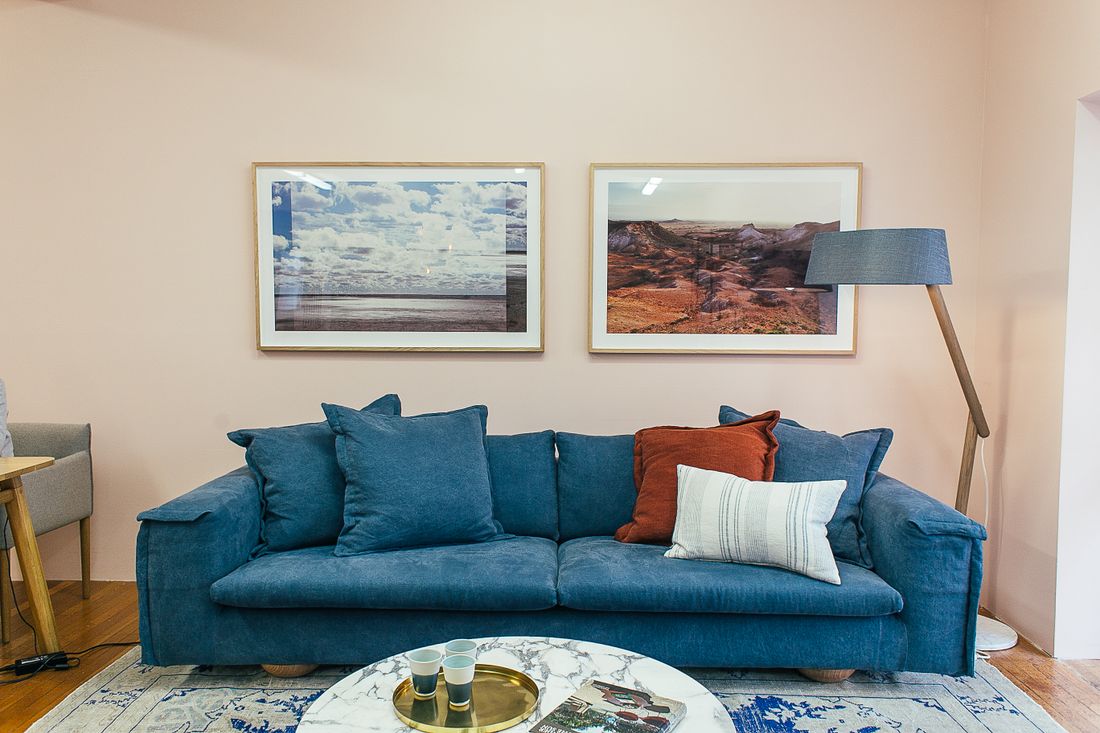
Most collectors don't decide when to document a piece. A sale, a loan, or a claim decides for them, and the record gets made on whichever timeline that event allows. Deciding the timing in advance, close to when a piece enters the collection, produces a cleaner record and takes the decision out of anyone else's hands.
A collector should commission documentation as soon as a piece enters the collection, not when a sale, loan, or claim forces the question. Documenting on purpose, close to acquisition, produces a cleaner, more comparable record than documentation made under someone else's deadline.
When Should a Collector First Commission Documentation?
A collector should commission documentation as soon as a piece enters the collection, not when a sale, loan, or claim forces the question. Early documentation costs less time, avoids someone else's deadline, and gives a piece a clean baseline record before it moves, ages, or changes hands again.
In practice, most collectors do the opposite. A piece gets hung, insured on a rider that lists it by description rather than by photograph, and left alone until an external event asks for a file that doesn't exist yet. At that point, whoever books the shoot is choosing from whoever happens to be available, on whatever the requesting party's timeline allows, rather than choosing on the collection's own terms.
The piece doesn't need to be a major acquisition to justify the timing. A modest work bought at a small gallery deserves the same early record as a significant one, because the value of the documentation isn't tied to the price of the piece. It's tied to having an accurate, dated file that exists before anything happens to prompt one. That file becomes the reference point every later request measures against, whether the request comes in a year or a decade, and whether the request comes from a buyer, an insurer, or the collector's own memory of what a piece looked like when it first arrived. Building that habit once, at the start of a collection, is easier than retrofitting it onto pieces that have already been in place for years.
Why Waiting for a Reason Usually Means Documentation Happens Under Pressure
Waiting for a reason to document a piece almost always means the record gets made under someone else's clock. A sale needs images this week, a loan form is due Friday, or an insurer wants proof after a claim, and documentation becomes a task squeezed into whatever window the triggering event leaves open.
None of those windows are generous. A gallery moving toward a sale wants files fast, because a buyer's interest doesn't wait. A museum requesting a loan sets its own registrar deadlines, unrelated to when the collector is ready. An insurer processing a claim wants documentation as evidence, which is the least flexible timeline of all, since the piece may already be damaged by the time anyone reaches for a camera.
Working inside someone else's deadline changes who gets hired, not just when. A collector under pressure books whoever can shoot this week, not necessarily whoever knows the work best or has documented the rest of the collection already. The resulting files can be technically fine and still sit apart from everything else in the collection, shot on a different day, in different light, by a different eye, simply because the calendar decided the vendor instead of the collector deciding on purpose. None of that is a criticism of moving fast when a real deadline shows up. It's a reason to notice that speed and quality are pulling against each other whenever documentation only happens because something else demanded it.
The First Natural Window Is Right After a Piece Arrives
The best time to document a piece is shortly after it arrives in the collection, once it's unpacked, placed, and settled, but before it becomes part of the background of daily life. This window has no external deadline attached to it, which is exactly what makes it worth using on purpose.
A piece that just arrived is easy to isolate. It hasn't yet accumulated the small changes that happen over years in a home: a shift in wall placement, a new lamp throwing glare across the surface, a reframe that changes its proportions slightly. Documenting close to arrival captures the piece as close to its acquisition condition as the collection will ever see it again, which matters later if a condition question ever comes up.
This window is also simply calmer. Nobody is waiting on the files for a closing, a loan agreement, or an appraisal. The collector can choose a date that works, describe the piece accurately without rushing, and let the documentation happen at a pace that produces a clean result instead of a fast one. Collectors who build this into how they receive new work, the same way they'd arrange insurance or hanging, rarely end up documenting under pressure later, because the record already exists. It also means the piece only ever needs a full setup once, with any later documentation limited to confirming what's changed rather than starting from nothing.
Insurance Is a Common Trigger, But a Late One
Insurance is the most common reason collectors first commission documentation, and it's also a late one. By the time a policy or rider is being written, the piece has usually been in the collection for months or years, which means the record starts well after the piece's condition at acquisition, not at it.
An insurer's requirements shape what gets photographed and how. Coverage paperwork typically wants a clear image proving the piece exists and matches its description, which is a lower bar than a full documentation set: consistent color reference, detail shots of edges and surface, and a file organized well enough to compare against years later if a condition dispute ever comes up. A collector who only ever documents for insurance ends up with a thin file built to satisfy a policy, not a record built to serve the collection.
None of this is a reason to skip insurance documentation. It's a reason not to let insurance be the only occasion documentation ever happens. A collector who documents at acquisition and then updates that file when a policy is written has both: an early baseline and paperwork that satisfies the insurer, instead of one thin file standing in for both jobs at once. That combination also tends to satisfy an insurer more thoroughly than a single quick proof-of-existence photo ever could, since it shows condition over time rather than a single moment chosen under deadline.
A Loan Request Turns Documentation Into a Deadline
When a museum or gallery asks to borrow a piece, documentation suddenly has a registrar's deadline attached to it. Loan paperwork typically wants condition images before the piece leaves the collector's walls, and that request usually arrives with a firm date the borrowing institution set, not one the collector chose.
A loan request is also a compressed one. Registrars generally want images that show the piece's condition immediately prior to travel, which means the shoot has to happen close to the pickup date, on a schedule dictated by shipping logistics rather than by when light, timing, or the collector's own calendar line up best. If no earlier documentation exists to compare against, the loan file also becomes the collection's only condition reference for that piece, carrying weight it was never really designed to carry.
A collector who already has a documented baseline from closer to acquisition is in a different position when a loan request comes in. The new images can focus specifically on confirming current condition against the earlier record, which is a faster, more useful task than starting from nothing under a registrar's clock. The loan deadline still exists, but it stops being the piece's first and only documentation event. It becomes one more update to a file that was already going to need updating eventually, on a schedule the collector chose rather than one a borrowing institution set.
A Claim Is the Worst Time to First Document a Piece
A damage or loss claim is the worst point in a piece's ownership to be documenting it for the first time, because the record an insurer wants is exactly the one that no longer exists: what the piece looked like before whatever happened, happened. Post-claim photography can only show current condition, not the baseline a claim depends on.
Insurers evaluating a claim generally want to compare the piece's current state against a prior record. Without one, the collector is relying on memory, a casual snapshot, or nothing at all, which weakens a claim regardless of how legitimate the damage or loss actually is. This isn't a reason to fear filing a claim. It's a reason the file that supports it needs to already exist before anything happens, not be assembled afterward under the worst possible conditions.
A claim is also, by definition, an unplanned event. There's no calm window to work with, no chance to wait for good light or a convenient date, and often a piece that's now harder to photograph well because of the very damage being claimed. Every argument for documenting early is really an argument against ever needing to first document a piece at this particular moment, when the collection can least afford it, and when the paperwork riding on the images matters most. A collector who has already documented the piece isn't starting from zero when a claim happens; they're simply adding the current, damaged state to a record that already shows what came before.
Documentation Made on Purpose, Compared to Documentation Made Under Pressure
Documentation made on purpose and documentation made under pressure can look similar at a glance, but they differ in what they're built to do. On-purpose documentation is planned around the piece and the collection's own needs. Pressure documentation is planned around someone else's deadline and only needs to satisfy that one immediate request.
The practical differences show up in the details. On-purpose documentation can wait for the right light, use a consistent setup across every piece in the collection, and include the detail shots, condition notes, and framing that only matter later, not today. Pressure documentation typically captures whatever the requesting party specifically asked for and stops there, because there's no time or budget allocated for anything beyond the immediate need.
The gap compounds over a collection's lifetime. A collector who documents on purpose builds a consistent, comparable archive piece by piece, where every file uses the same conventions and can sit next to any other file in the collection. A collector who only ever documents under pressure ends up with a patchwork of files from different occasions, different photographers, and different standards, which is far less useful the next time someone needs to compare one piece's current state against its past. Consistency is easy to dismiss as a cosmetic preference until the collection is large enough that someone actually needs to compare files across pieces, at which point it becomes the entire point of having an archive at all.
A Simple Timing Rule for a Growing Collection
A simple rule covers most collections: document a piece close to when it arrives, then update that record at a handful of natural points, such as before a consignment, before a loan, or after a reframe, rather than waiting for an external request to set the schedule. The goal is a record that grows with the collection instead of reacting to it.
This doesn't mean documenting constantly. A piece that isn't moving, changing hands, or changing condition doesn't need a new shoot every year, and treating documentation as a one-time event at arrival, revisited only when something about the piece actually changes, keeps the archive useful without turning it into an ongoing expense. The rule is about timing the first file correctly and updating it when something real happens, not about frequency for its own sake.
For a collector adding pieces regularly, building this into the acquisition process, the same way insurance or a condition report might already be handled, means documentation stops being a special project and becomes a routine step. By the time a sale, loan, or claim comes along, the file already exists, and whatever new documentation that moment requires is an update to an existing record rather than a first attempt made from a standing start. That difference is what separates a collection with a real archive behind it from one that only has whatever paperwork each individual event happened to require.
Frequently asked questions
Is there a wrong time to first document a piece?
The riskiest time is after a claim, because a damage or loss claim depends on a before-and-after comparison, and post-claim photography can only show current condition. Waiting for a sale or loan is less risky but still means the record gets made on someone else's deadline. Documenting close to acquisition avoids both problems and gives the piece a clean baseline while there's no external pressure shaping the schedule.
Does a modest piece need documentation as early as a significant one?
Yes. The value of early documentation isn't tied to a piece's price, it's tied to having an accurate, dated record before anything happens to prompt one. A modest piece bought at a small gallery benefits from the same early file as a major acquisition, because both become the reference point any later comparison, insurance question, sale, or condition check will measure against for as long as the piece stays in the collection.
Can documentation happen years after a piece was acquired?
Yes, and it's better than not documenting at all. A collection without early records can still be documented at any point, though the file will reflect the piece's current condition rather than its condition at acquisition. Starting now, even years in, still gives every future request, sale, loan, or claim a baseline to work from instead of leaving that baseline missing entirely, and it's a better time than waiting for the next deadline to decide.
Should insurance paperwork be the trigger for documentation?
Insurance is a common reason collectors first document a piece, but it's a narrow one. Policy paperwork typically wants a clear image confirming the piece exists and matches its description, which is a lighter file than a full documentation set built to serve the collection over time. Insurance is worth using as one occasion to document, not the only one a collector relies on for the piece's whole record.
How often should an already-documented piece be revisited?
Most pieces don't need repeat documentation on a schedule. A useful pattern is documenting once close to acquisition, then updating that record at real turning points, before a consignment, before a loan, or after a reframe or condition change, rather than on a fixed calendar. That keeps the archive current without treating documentation as a recurring expense unrelated to what's actually changed about the piece or its circumstances.
Build a paper trail your insurer can't argue with.
We shoot artwork documentation the way an appraiser or adjuster actually reads it, full views, true color, condition notes, and files that stay tied to the right piece.
Explore artwork documentation →