Ask ten galleries what "exhibition documentation" includes and you'll get ten different answers, mostly because most exhibition photography packages never say plainly what the job covers or what a client actually receives at the end of it. In NYC, a documented show is really three separate shoots stitched into one project: an install-day session that captures the empty room, an opening-night session that covers the reception, and a deinstall or run visit that catches whatever the first two missed. Each produces a different kind of file, priced by different things, and delivered on a different schedule. This is a plain walk through what each shoot actually covers, what a gallery receives when it's done, and what pushes the cost of installation photography in NYC up or down.
Exhibition documentation includes three distinct shoots: install-day installation views of the empty room, opening-night coverage of the reception, and a deinstall or run visit that records anything missed and closes out the file. A gallery typically receives archival images, web-ready files, and press-kit images, named to match the checklist.
An Exhibition Is Three Shoots, Not One
Exhibition documentation for one show is really three separate shoots: an install-day session before the room opens, an opening-night session that covers the reception itself, and a run-and-deinstall session near the close. Each one answers a different question, and folding all three into a single visit usually means losing at least one of them.
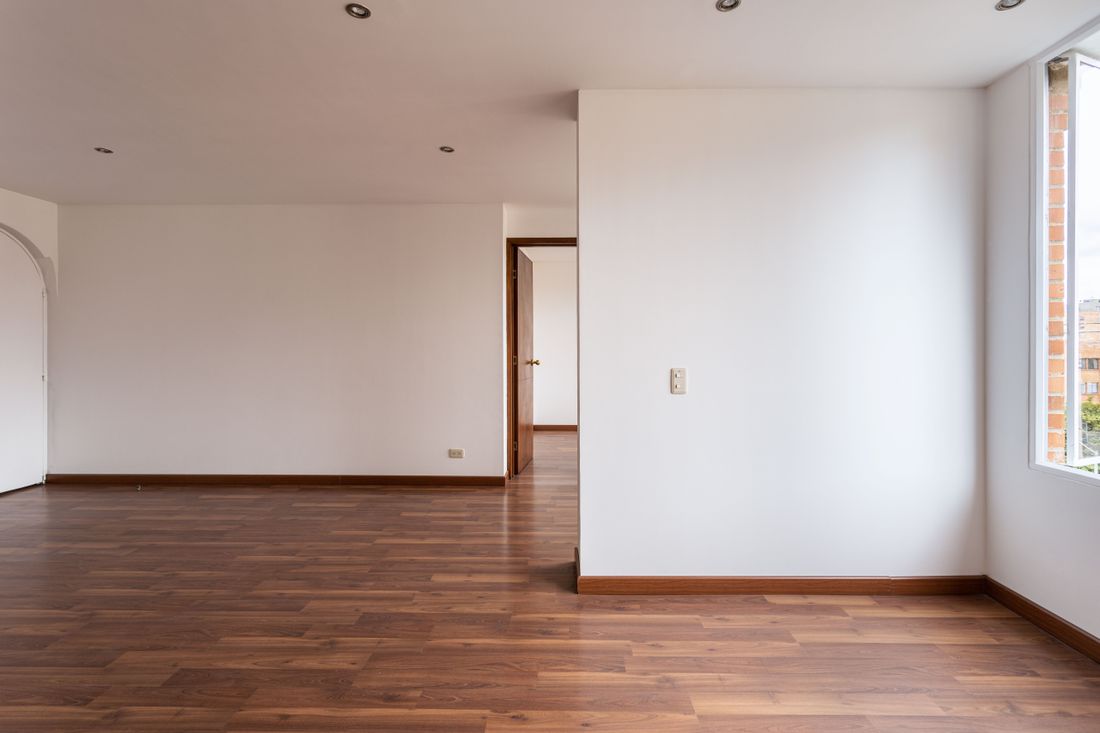
An install-day shoot happens while the gallery is still hanging the show, sometimes after hours or before the space opens for the day. This visit is the only chance to photograph the room genuinely empty, with clean sightlines and no visitors crossing in front of the work. It produces the installation views that outlive everything else from the run.
Opening night is a different assignment entirely. The room is full, the light changes once people start moving through it, and the priority shifts from documenting the work to documenting the event: the crowd, the energy, the people who came. A photographer working an opening is not trying to recreate install-day conditions, and pretending otherwise usually costs both jobs quality.
The third shoot, whether it's a dedicated visit during the run or timed to deinstall, is the last chance to catch anything the first two missed and to record the show one final time before it disappears. Most galleries only budget for one or two of these visits. Knowing which shoot to skip, and which to protect, is the actual planning decision behind exhibition documentation. For the full walk-through of that decision, see our full guide to documenting an exhibition.
Installation Views: The Shots Institutions Reuse for Years
Installation views are straight-on, evenly lit photographs of the show hung in an empty room: full wall elevations, corner shots that establish scale, and sightlines down the length of the space. Institutions keep reusing these images years after a show closes because nothing else documents how the work actually looked together.
A wall elevation is the workhorse shot: a flat, corrected view of one wall with every piece visible at a consistent scale, shot straight-on rather than at an angle that would distort the work. Corner and sightline views add the sense of the room itself, how one wall relates to the next and how a visitor's eye would have traveled through the space.
The empty-room requirement is not a preference, it's what makes the image usable. A crowd, a chair left out, or a staff member crossing frame turns a documentation shot into an event photo, and it can no longer stand in for the show itself in a catalog, a grant application, or a press kit years later.
This is why installation views outlast everything else from a show. A crowd photo dates itself within a season. An installation view stays useful as long as the gallery, the artist, or the estate needs proof of what the exhibition actually looked like, which is often measured in years rather than weeks. A good set of wall elevations can still be doing that job a decade after the opening reception has been forgotten.
Opening Night: Coverage and Documentation Are Different Jobs
Opening night needs two different kinds of photography, not one. Coverage photographs the event itself: the crowd, conversation, the room in use. Documentation photographs the work as if no one were there. A single photographer moving between both goals in one evening will do each one less well than a plan that treats them separately.
A crowd photograph proves the opening reception happened: people in the room, energy in the space, the gallerist mid-conversation with a collector. It's useful for social posts and a recap email, and it tells a real story about that specific evening. It does not, and cannot, show what the exhibition actually contains.
An installation view taken during a crowded reception rarely works either. People block sightlines, phone flashes throw odd highlights onto glass and varnish, and the room almost never looks the way it will look during the calm, considered pass a documentation shoot needs. That's the practical case for treating install day and opening night as separate visits rather than hoping one evening covers both jobs. A second shooter can sometimes bridge the gap, but even then, the two assignments need separate shot lists.
The end of a show deserves the same separation of jobs. Just as opening night needs coverage and documentation handled as distinct tasks, a closing reception is worth its own coverage rather than treating the finale as an afterthought once the walkthrough footage and install shots are already in hand.
The Individual Works Inside the Show
Beyond the wide installation views, most exhibitions also need per-piece capture: a checklist shot of every work in the show, clean and centered, matched to the gallery's own checklist or price list. These close, individual images serve a different purpose than the room views: they document each piece on its own, not how it sits in the space.
A checklist shot usually means the work photographed straight-on, filling most of the frame, with even lighting and no glare across glass or varnish. During a hang, this can happen either while a piece is briefly off the wall, which is easier to light evenly, or in situ once it's hung, which keeps the framing and hanging height honest.
Wall text and labels are worth a few frames of their own, even though they rarely make it into the final deliverable set as hero images. A shot of the label next to the work keeps the checklist mapping honest later, when someone is matching a hundred image files back to a hundred titles, and it's a small habit that saves real time during file naming.
The limit worth knowing up front: documenting work in situ, hung on the wall, is not the same job as a formal documentation setup built for reproduction quality, color matching for print, or archival reference. A checklist shot from a hang proves what was in the show and roughly how it looked. It is not a substitute for a dedicated documentation session when a piece needs museum-quality reproduction files.
Deinstall and the Record That Outlasts the Show
Deinstall is the last honest chance to photograph anything the first two visits missed, and it's also when a gallery often wants simple, factual record shots of each piece as it comes down: a plain reference of condition and placement for its own files, not a formal assessment of the work.
Deinstall day is unglamorous but useful. The show is coming apart, works are being wrapped and moved, and there's rarely a second pass once the walls go bare and the room turns back into an empty space for the next show. Anything not caught on this visit, or on install day, is gone for good, which is part of why it's worth booking rather than skipping when the budget gets tight.
A condition record made during deinstall is a photograph, not a professional condition report. It shows how a piece looked at that moment, useful for a gallery's internal files or as a plain reference if a question comes up later. It is not an assessment of damage, value, or conservation need, and it should never be sold or read as one.
That distinction matters. We photograph the work; we don't appraise it, conserve it, or issue a formal condition report, and a gallery that needs one of those services should bring in the right specialist for it. What we can hand back is an honest, well-lit visual record of how the show looked on its way out the door.
What a Gallery Actually Receives
A gallery typically receives a full set of edited files covering all three shoots: high-resolution installation views and checklist shots for the archive, a smaller set of press-kit images sized for media use, and event photographs from the opening, all named or captioned so they map back to the checklist without guesswork.
File formats usually split into two tiers: full-resolution archival files for the gallery's own records and reproduction needs, and smaller, web-ready versions sized for a site, a newsletter, or a social post. Archival file sizes are kept large enough to hold up in print or an enlargement years from now, not just on a screen.
A useful naming scheme ties every file back to the checklist number or the artist and title, rather than a generic sequence of numbers a gallery has to decode later. Color accuracy and consistent lighting across the set matter here too, so the files read as one coherent shoot rather than a mix of different rooms and different days stitched together.
Usage should be plain, not buried in fine print: a gallery generally gets to use its own show's images for its own promotion, press, and archive, and any broader licensing question is worth asking about directly rather than assuming. Turnaround is usually a matter of days for a first edited set, with the full archive following once every image has been checked and named. That's worth confirming before the shoot, not after files are already delivered, and it's covered in more depth in exhibition documentation from start to finish.
What Drives the Cost in NYC
Questions about gallery opening photography cost usually come down to the same handful of concrete factors that drive cost for exhibition documentation generally in NYC: how many of the three shoots get booked, room size and number of works, access during the install window, whether hours run into evening or overtime, and whether a second shooter or video gets added.
The number of shoots is the biggest lever. One visit is cheaper than three, but it means picking which job that day serves: installation views, opening-night coverage, or a deinstall record. Room size and number of works matter next: a large group show with dozens of pieces takes longer to shoot cleanly than a small solo hang.
Access during the install window shapes the schedule too. A gallery that can offer a quiet block of hours before the show opens makes the installation views easier to capture than a narrow window squeezed between hanging and the public arriving. Evening hours around an opening reception, and any request to extend past a normal call time, add to the day the same way overtime does on any shoot.
A second shooter, a video add-on, or a rush turnaround each add their own line to the plan, and none are required by default. The honest way to think about cost is structural: more shoots, more works, tighter access, and faster turnaround add up, and a gallery controls most of those variables by deciding what matters for this specific show. Exact figures live on our events page, not in general guidance like this.
Walkthrough Video: When to Add It
A walkthrough video adds a sense of scale and movement through the room that still photographs cannot give: how one wall relates to the next, how the ceiling height reads, how a visitor's eye would actually travel through the space. It is worth adding when the show itself is spatial or immersive, and worth skipping when a strong set of stills already tells the story.
A moving camera captures relationships that a series of stills can only imply: the transition from one room to the next, how a sculpture reads from multiple angles as the camera passes it, how light shifts across a piece placed near a window. For shows built around scale, sequence, or a route the curator clearly intended, that's information a set of wall elevations alone won't fully carry.
It's not always worth the extra shoot. A small, single-room hang with a handful of works usually doesn't need a moving camera to communicate its layout, a good set of installation views already does that job. Walkthrough video adds a second pass to the day and its own editing time, which only pays off when the room itself is part of the story.
The choice between a longer walkthrough and a short reel for social media is its own decision, worth working through separately once a gallery knows it wants video at all. A three-minute walkthrough and a thirty-second reel of the same show are built for different jobs, and figuring out which one a specific opening needs usually happens after the documentation shoots are already booked.
Frequently asked questions
What is included in exhibition documentation?
Exhibition documentation typically covers three shoots: an install-day session that captures installation views of the empty, hung show; an opening-night session that documents the reception; and a run or deinstall visit that records anything missed before the show closes. Deliverables usually include full-resolution archival files, web-ready images, and a smaller set of press-kit images, all named or captioned to match the gallery's checklist so files are easy to trace back to specific works.
How are installation views different from opening-night photos?
Installation views are shot in an empty room, straight-on and evenly lit, built to document each piece and the space itself without distraction. Opening-night photos document the event: the crowd, the conversation, the room in use, taken while people are actually there. The two rarely overlap well, since a crowded room makes clean installation views difficult, and a truly empty room doesn't show what the reception actually felt like.
When should the documentation shoot be scheduled relative to the hang?
Install-day documentation should happen once the hang is finished but before the gallery opens to the public, so the room is genuinely empty and every piece is level and lit as it will be seen going forward. Scheduling it too early, before the last few pieces go up, means missing part of the show. Scheduling it during open hours risks visitors, reflections, and shadows that a quiet, closed room avoids entirely.
What files does a gallery receive, and in what formats?
A gallery generally receives full-resolution archival images for its own records and reproduction needs, plus smaller web-ready files sized for a website, newsletter, or social post. Rich, hero-quality deliverables often also include a set of press-kit images for media use. Files are typically named or captioned to match the exhibition checklist, so a gallery can trace every image back to the correct artist, title, and piece without extra work.
Can one visit cover a whole exhibition?
One visit can cover a show, but it usually means picking a single job rather than getting all three: clean installation views of the empty room, coverage of the opening reception, or a closing record before deinstall. Combining goals in one visit tends to produce a compromised version of each, since a crowded room blocks the installation shots and a quiet room has no reception energy to capture. Most galleries choose based on which record matters most.
Got overlapping openings already on the calendar?
We work out the coverage plan well before the night gets close, whether that's two shooters, a tight schedule, or simply booking early enough to avoid the conflict entirely.
Explore event coverage →