
Nobody schedules a documentation refresh the way they book an insurance renewal. Most institutions and companies only notice their files are out of date after something else already happened: a rehang moved a piece, a new work came in, a lender asked for current images the file did not have. That reactive pattern is not a failure of diligence so much as a missing habit. A collection is not a fixed object with one photograph that lasts forever. It changes through acquisitions, deaccessions, rehangs, moves, and new institutional needs, and the documentation only stays useful if someone treats those changes as the actual schedule instead of waiting for a form to arrive that finally forces the question.
A documentation refresh should follow a light recurring cycle for a stable, unchanged display, and jump ahead of that cycle the moment an acquisition, deaccession, rehang, move, insurer or lender change, or a website or report rebuild makes the current files inaccurate. Ownership of that decision is usually split across facilities, marketing, finance, and a curator, so naming one point of contact to watch for these triggers is what actually keeps a collection current.
How Often Should a Collection's Documentation Be Refreshed?
There is no fixed interval that fits every collection. A useful working rule blends the two: revisit documentation on a light recurring cycle, roughly every few years for a static, gallery-like display, and treat certain events (an acquisition, a move, a rehang) as their own trigger regardless of when the last cycle ran.
A pure calendar approach fails because a collection that hasn't changed in three years doesn't need new files just because a date came up, and a collection that changed twice in six months is badly underserved by a three-year clock. Events carry the real information: something acquired, deaccessioned, relocated, or reframed has already made the existing record incomplete, whether or not anyone scheduled a reason to check.
A light recurring cycle still earns its place, because slow drift is real. Frames get swapped, small works get reshuffled between offices, condition changes in ways nobody flags as a discrete event. A periodic review, even a short one that just confirms what's on the walls still matches what's on file, catches that drift before it compounds into a record nobody trusts.
The practical version: set a light recurring check, then let events pull the date forward whenever they happen. A collection with an active acquisition program will refresh more often than the calendar alone would suggest. A stable, rarely-changed collection might go past the calendar date with nothing to update. Either way, the record stays honest about what it actually reflects.
Does Acquiring or Deaccessioning a Work Require an Immediate Documentation Update?
Yes. Any work added to or removed from a collection creates a gap between what the records show and what actually exists, and that gap should close as close to the transaction as practical, not at the next scheduled review. A new work with no image on file is effectively undocumented until someone photographs it.
The reason this can't wait for a bigger refresh is that acquisition and deaccession records tend to feed other systems: insurance schedules, loan paperwork, internal inventories, sometimes a public-facing list. Each of those systems is only as current as the documentation behind it, and a new acquisition sitting undocumented for months means every downstream list is quietly wrong for that whole stretch.
In practice, this doesn't require a full re-shoot of the collection every time a single piece changes hands. It means a specific, tightly scoped addition to the file: new images and identifying details for what came in, and a clear closing note, not a deletion, for what left. A deaccessioned work's prior documentation often still matters for provenance and history even after the piece itself is gone.
Collections with an active, ongoing acquisition pace benefit from folding this into a routine rather than treating each addition as a special request. A standing arrangement to photograph new work as it arrives keeps the file current by default, instead of accumulating a backlog of undocumented pieces that eventually forces an expensive-feeling catch-up project.
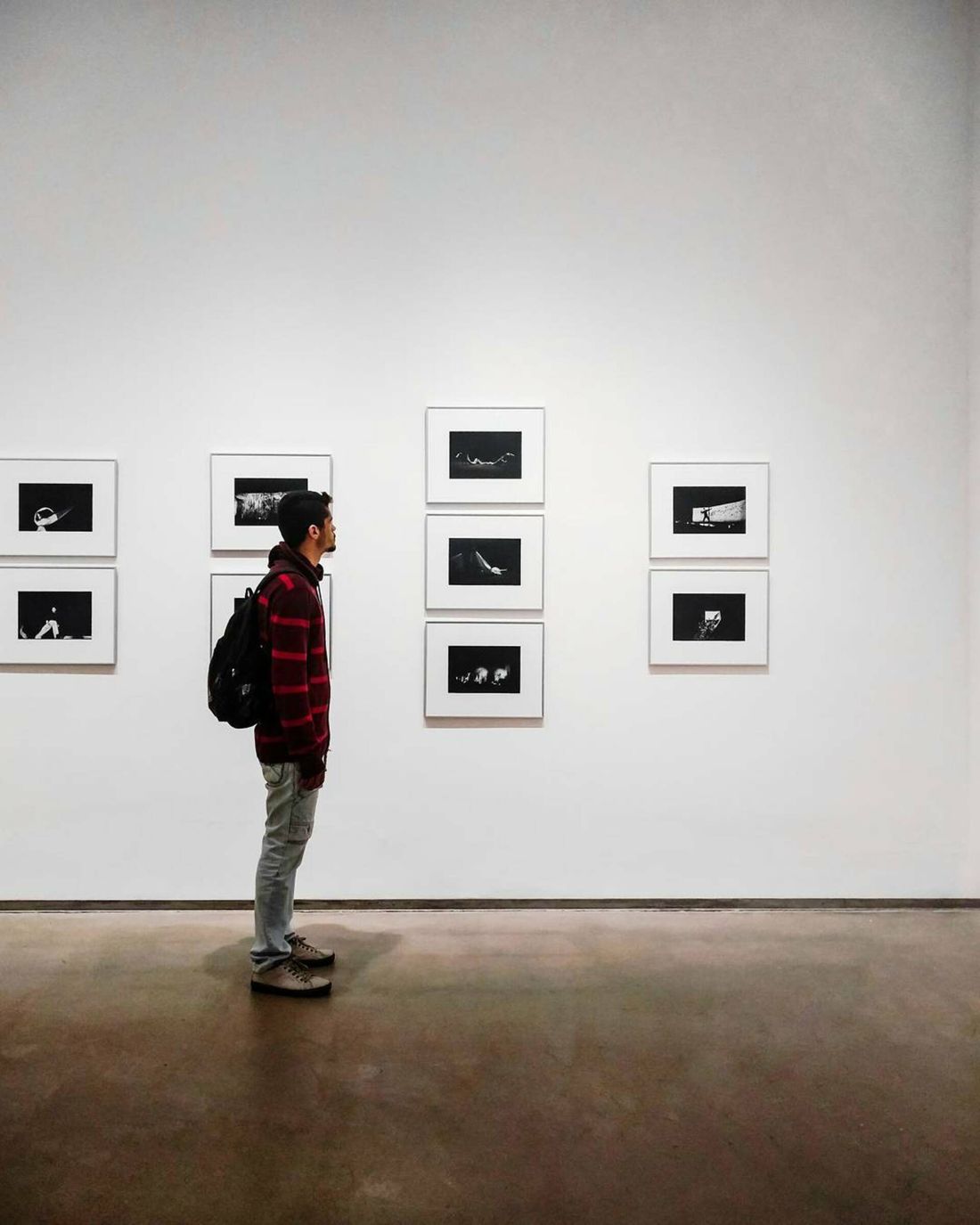
Does a Rehang or Reinstall Change What the Documentation Needs to Show?
Yes, whenever a rehang changes a work's location, lighting, framing, or the context it sits in, the existing documentation stops describing the collection as it's actually displayed. A file that still shows a painting in its old spot, under its old light, next to a piece that's since moved, is describing a version of the collection that no longer exists.
This matters more for institutional and corporate collections than it might seem, because display context does real work. A piece hung differently reads differently, and a record meant to support insurance, loan requests, or an accurate internal inventory needs to reflect current placement, not a snapshot from whenever the last refresh happened. A rehang without an update leaves that gap open indefinitely.
Not every rehang needs the same response. Moving a handful of works between floors is a targeted update: reshoot what moved, leave the rest of the file alone. A full reinstall, where most of a collection changes position or a space gets reconfigured entirely, is closer to the trigger for a fuller documentation pass, since piecemeal updates start to lose track of what's actually current.
The useful habit is treating a rehang as a documentation checkpoint by default, not an afterthought someone remembers weeks later. Building the update into the same planning conversation as the rehang itself, rather than as a separate task competing for attention once the walls are already settled, keeps the file from quietly falling behind the space.
What Happens to Documentation When a Collection Moves or Changes Buildings?
A move is one of the clearest documentation triggers there is, because relocation itself is a risk event: works get handled, packed, transported, and reinstalled in a new space, and any of those steps can change a piece's condition even when nothing about the artwork was intended to change. Documenting before and after a move brackets that risk with an actual record.
Before a move, current documentation gives a collection a clean baseline: what each piece looked like and where it stood immediately before handling began. After a move, a comparable update confirms the work arrived in the condition the baseline described, or flags a difference worth raising with whoever handles condition and conservation questions, which sits outside what documentation itself covers.
A move also changes the practical facts a record needs to carry. Address, floor plan, room names, and often lighting and sightlines are all different in a new building, and a file built around the old space's layout stops being useful for wayfinding, insurance schedules, or loan logistics tied to physical location. Those details need updating even when nothing about the individual works has changed.
Because a move usually has a fixed date on someone's calendar already, it's one of the easier triggers to plan around. Building a documentation pass into the move timeline, rather than treating it as a separate ask that competes with moving logistics, tends to be the difference between a clean before-and-after record and a gap nobody notices until it matters.
Why Does a Change of Insurer or Lender Push a Documentation Refresh?
A new insurer or a new lending relationship almost always comes with its own documentation expectations, and those expectations rarely match exactly what an older file was built to satisfy. Formats, level of detail, and what counts as current can all differ from one relationship to the next, which is what turns a change like this into its own trigger.
This is squarely a case where the collection's own specialists, not this studio, set the actual requirements. What an insurer needs to see, and what a museum or institution wants before agreeing to a loan, are questions for the reader's insurance and loan contacts to define. Once those requirements are clear, documentation exists to meet them, not the other way around.
What typically surfaces the gap is a request that arrives with a deadline attached: a new policy that wants current images before binding coverage, or a borrowing institution that wants documentation dated within a certain window before a loan agreement finalizes. Both turn a general sense that files are probably fine into a specific, checkable requirement with a due date.
The useful move is asking early, as soon as an insurer or lender relationship is changing, rather than waiting for the request to specify exactly what's needed. A short conversation about current documentation standards, before paperwork is due, gives enough lead time to schedule an update instead of scrambling to meet someone else's deadline.

Does a Website or Annual Report Rebuild Count as a Documentation Trigger?
Yes, whenever a rebuild needs images the current file doesn't have, in a format, resolution, or crop the old documentation wasn't shot for. A website redesign or a new annual report often surfaces this gap first, not because the collection itself changed, but because the use case for the documentation changed and the old files weren't built for it.
Marketing and communications projects tend to need different things from a file than an insurance or archival record does: wider crops with room for text overlays, consistent lighting across works that were photographed years apart, or images sized for a specific layout. Documentation built years ago for a narrower purpose often can't stretch to cover a new public-facing use without looking dated next to it.
This is a common way institutions discover their documentation is stale even when nothing about the physical collection has moved. A team building a new site pulls the existing image folder and finds gaps, inconsistent quality, or files too small for how they're meant to be used, and the rebuild timeline suddenly has a documentation dependency nobody planned for.
Flagging this early in a rebuild's planning, rather than after design work has already assumed certain images exist, keeps documentation from becoming the item that blocks a launch date. A short review of what the rebuild actually needs against what's currently on file is enough to catch the gap before it turns into a deadline problem.
How Can You Tell the Files No Longer Match What's Actually on Display?
The clearest sign is a mismatch someone notices in passing: a file that shows a work in a spot it left months ago, a piece in the current display with no matching image at all, or condition details in the record that don't match what's visible on the wall today. Any of those is a signal the documentation has quietly fallen behind the collection.
This tends to surface accidentally rather than through any deliberate audit. Someone pulls a folder to answer a request, a facilities team references an old floor plan while updating wall labels, or a new hire compares the file to the space and asks why the two don't line up. The gap was usually there for a while before anyone had a reason to look closely.
A simple way to check without a full formal review is comparing three things: current physical placement, current file contents, and the date each image was last updated. Where all three agree, the record is current. Where placement and file diverge, or where an image's date is much older than a known rehang or acquisition, that's the specific spot needing attention.
Waiting for a formal reason to check tends to let this drift further than anyone intends, simply because nobody owns the comparison as an ongoing task. Building a quick version of that same check into whatever recurring cycle the collection already uses catches the mismatch while it's still a small fix, not a large one.
Who Actually Decides When a Collection's Documentation Gets Refreshed?
In most institutions and companies, no single role owns this decision outright: facilities notices a move or rehang first, marketing notices a stale file during a campaign, finance notices when insurance paperwork asks for current records, and a curator or collection manager, where one exists, usually holds the most complete picture of what changed and when.
That split ownership is exactly why refreshes get missed. Each department has a partial view and a different reason to care, so the trigger events land on different desks depending on what caused them, and no one department is positioned to see the whole pattern unless someone is explicitly responsible for watching it across the year.
Naming a single point of contact, even informally, closes most of that gap. It doesn't need to be a dedicated documentation role. A facilities lead, a communications manager, or a collection manager can hold the responsibility as one part of a broader job, as long as the other departments know to route a rehang, a new acquisition, or an insurer's request to that same person instead of handling it in isolation.
Once someone holds that seat, the earlier triggers in this piece become a simple checklist that person can watch for, rather than a set of separate surprises landing in different inboxes. That person doesn't need to make appraisal, insurance, or legal calls themselves. Their job is noticing that one of those specialists needs to weigh in, and keeping documentation from being the thing nobody remembered to schedule.
Frequently asked questions
Is there a standard interval for refreshing a collection's documentation?
No single interval fits every collection. A light recurring check, roughly every few years for a stable display, is a reasonable default, but events matter more than the calendar. An acquisition, a rehang, a move, or a new insurer or lender request should pull a refresh forward regardless of when the last one happened, since those specific events are what actually make existing files outdated, not the passage of time alone.
Does every rehang require redocumenting the whole collection?
No. Moving a handful of works calls for a targeted update: reshoot what moved and leave the rest of the file alone. A full reinstall, where most of the collection changes position or a space is reconfigured, is closer to a trigger for a fuller pass, since piecemeal updates lose track of what changed. Match the scope of the update to the scope of the rehang.
Who is actually responsible for noticing documentation is out of date?
In practice, ownership is usually split across facilities, marketing, finance, and a curator or collection manager, each of whom sees only part of the picture. Naming one point of contact, even as part of an existing job rather than a dedicated role, closes that gap. That person routes triggers like a rehang or new acquisition to the right update instead of letting them go unnoticed.
Does a documentation refresh mean rephotographing the entire collection every time?
Not usually. Most triggers, a single acquisition, a partial rehang, a handful of relocated works, call for a scoped update to just what changed, not a full re-shoot. A fuller pass makes sense after a major reinstall, a full move, or when a light recurring cycle has lapsed long enough that a broad check becomes more efficient than tracking many small updates one at a time.
Can a documentation refresh double as an insurance or condition assessment?
Documentation itself is a photographic and organizational record, not an appraisal, conservation review, or insurance determination. It can support those processes by giving a current visual baseline, but any actual valuation, condition, coverage, or legal judgment still belongs with the reader's own appraiser, conservator, insurer, or legal counsel, who should always be brought in separately whenever a refresh happens to raise one of those specific questions.
Give your collection a record that holds up.
We document artwork the way an adjuster or appraiser would actually want to see it: full views, accurate color, condition detail, and a system that keeps every file tied to the right record.
Explore artwork documentation →