Step 01
A short call
We talk through the collection — rough count, which rooms, what’s glazed, and who the files are for. You get one clear number before we book anything.
01Estate & collection inventories
We photograph estate and private art collections in New York — every work, one by one — and deliver a named, organized visual inventory that executors, appraisers, attorneys, and heirs can actually work from.
Collections tend to outgrow their paperwork. Works arrive over decades, invoices scatter, and the one person who knows what hangs where isn’t always available to ask. When an estate needs settling or a family office wants its records current, the first question is simple: what exactly is here?
We answer it visually. Each work gets its own color-accurate photographs, its dimensions and visible details noted as we go, and a file name that makes sense to a stranger. The result is an inventory anyone can open and understand — this year or in twenty. More on how this works in practice: documenting work in a collector’s home.
We’re not appraisers, and we don’t give legal advice — the inventory is more useful because of it. We build the photographic record that appraisers, attorneys, and insurers base their work on, and we’re glad to join a team that’s already assembled: your people keep the valuations and paperwork, we deliver the files their work needs, named and organized their way. Here’s how that usually runs with an advisor.
See what you receive →02What you receive
The record is built to stand on its own — no software subscription, no proprietary format, nothing that depends on us being reachable. Whoever inherits the files inherits the whole answer.
03What it costs
Inventories use the same per-piece tiers as all our documentation work — $50 Essential, $85 Standard, $150 Gallery — depending on how many views each work needs. From 10 to 19 pieces the rate drops 10%. At 20 pieces and up we build a custom quote, which is where most full-collection inventories land.
Wondering whether the record earns its cost? Here’s the math for a collection — what documentation costs as a fraction of what it protects, with the appraisal thresholds insurers actually use.
04The work
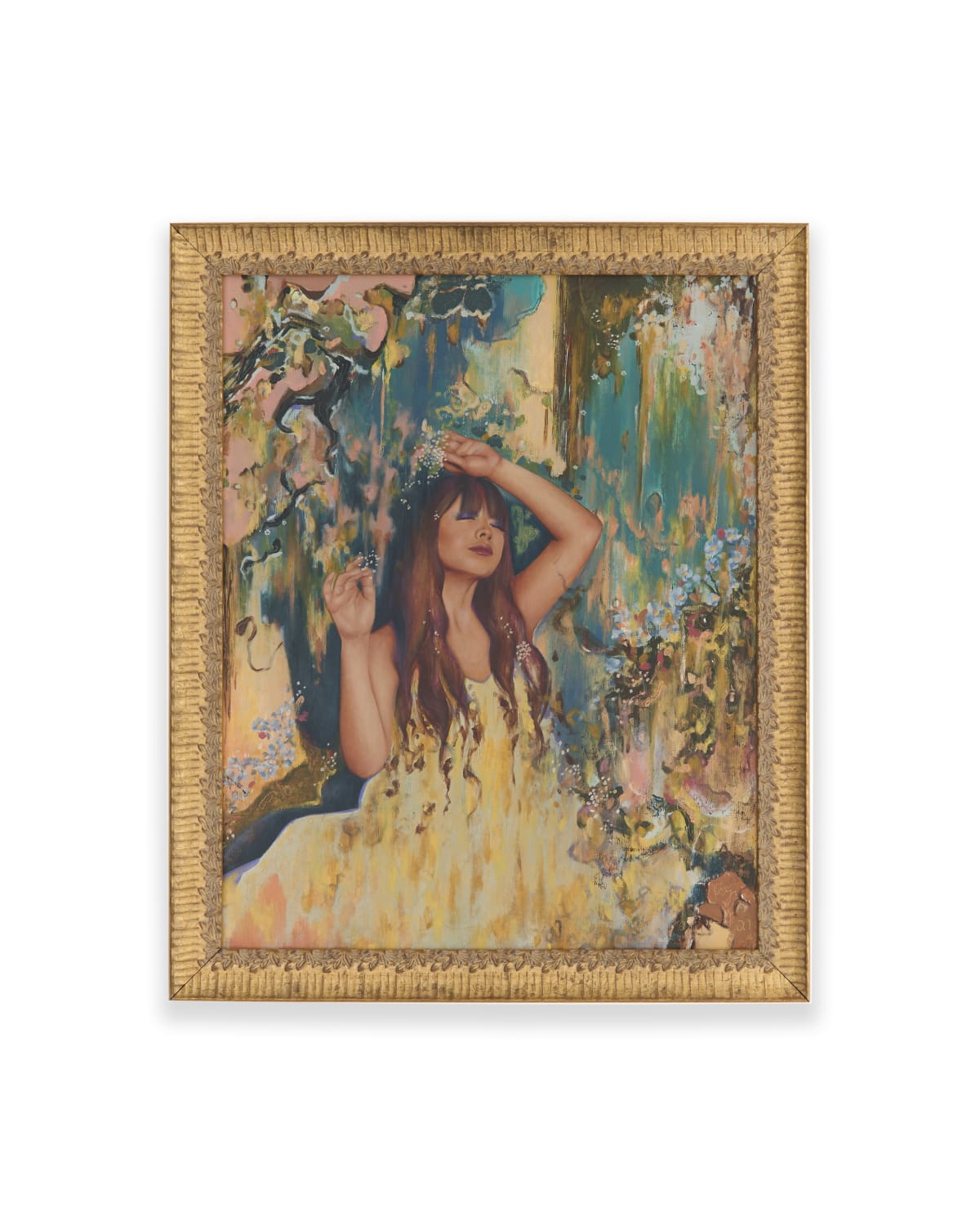
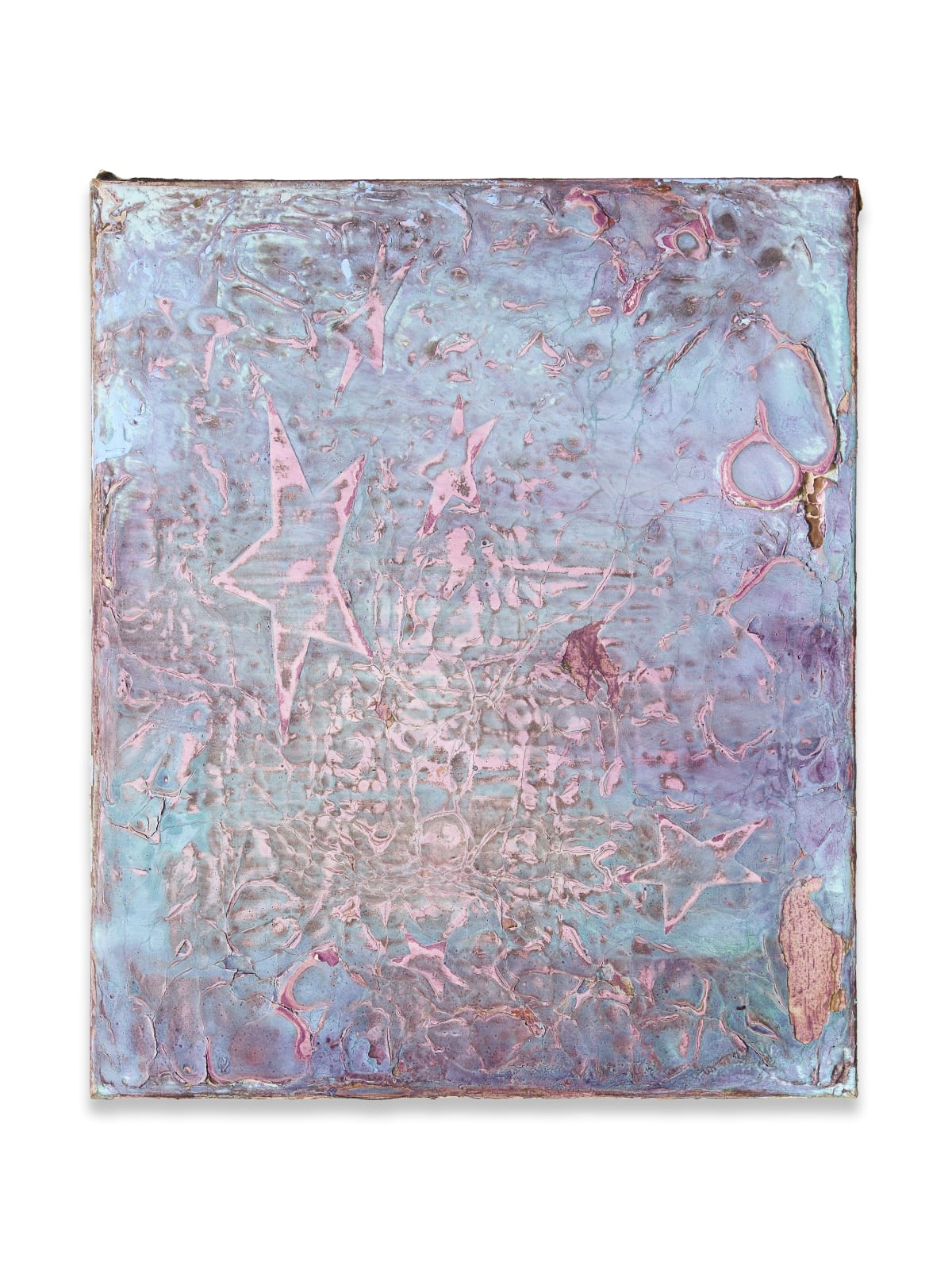
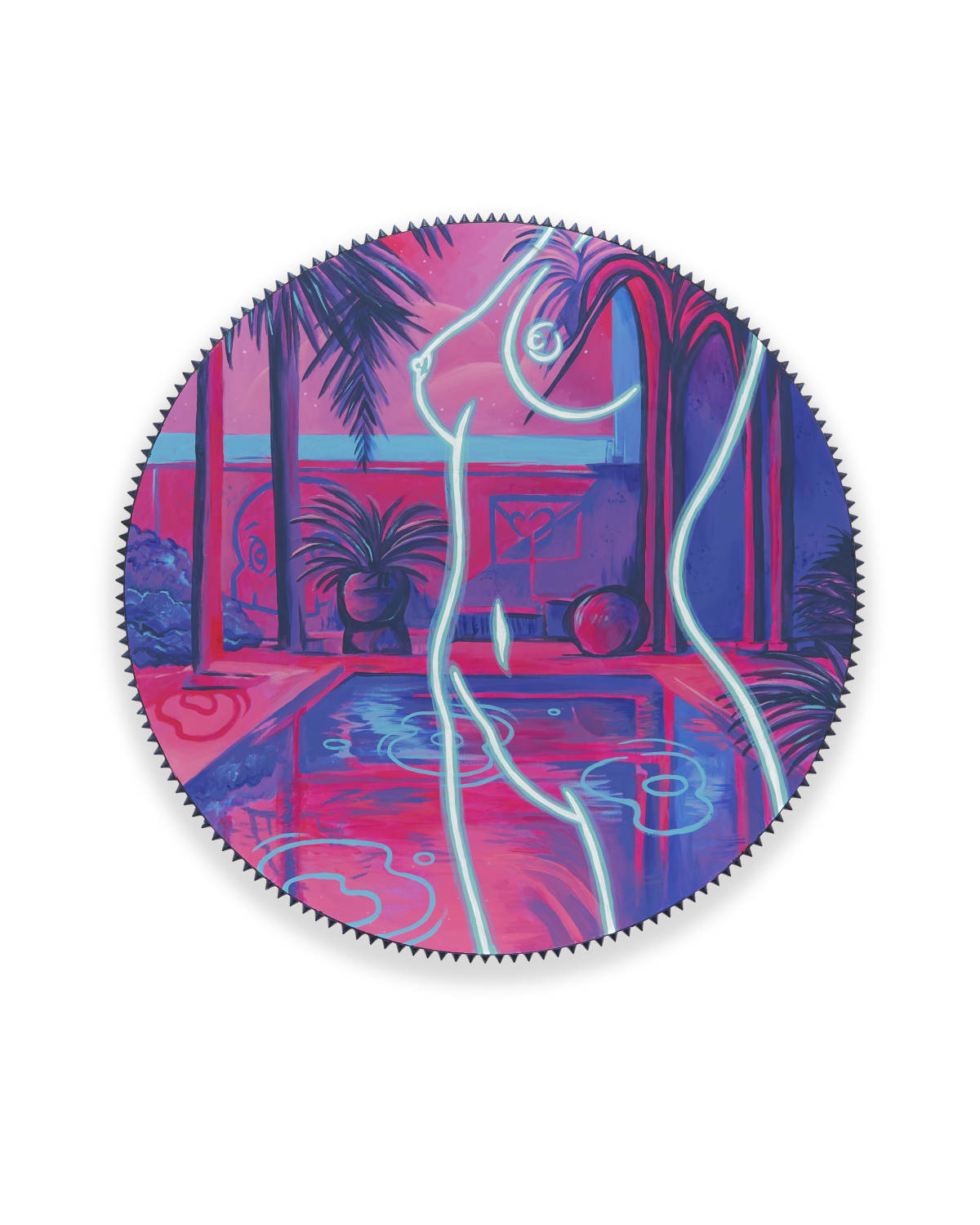
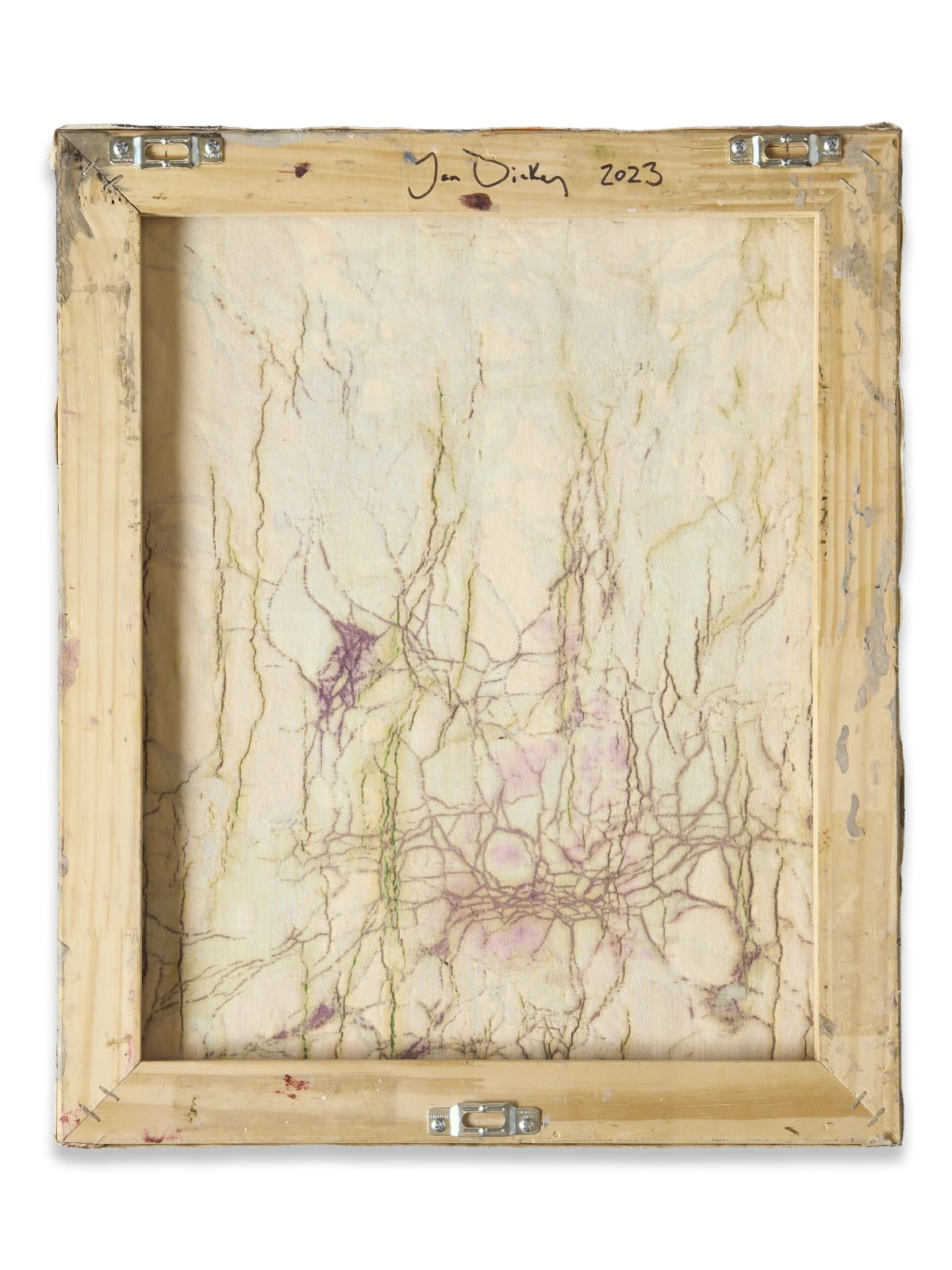
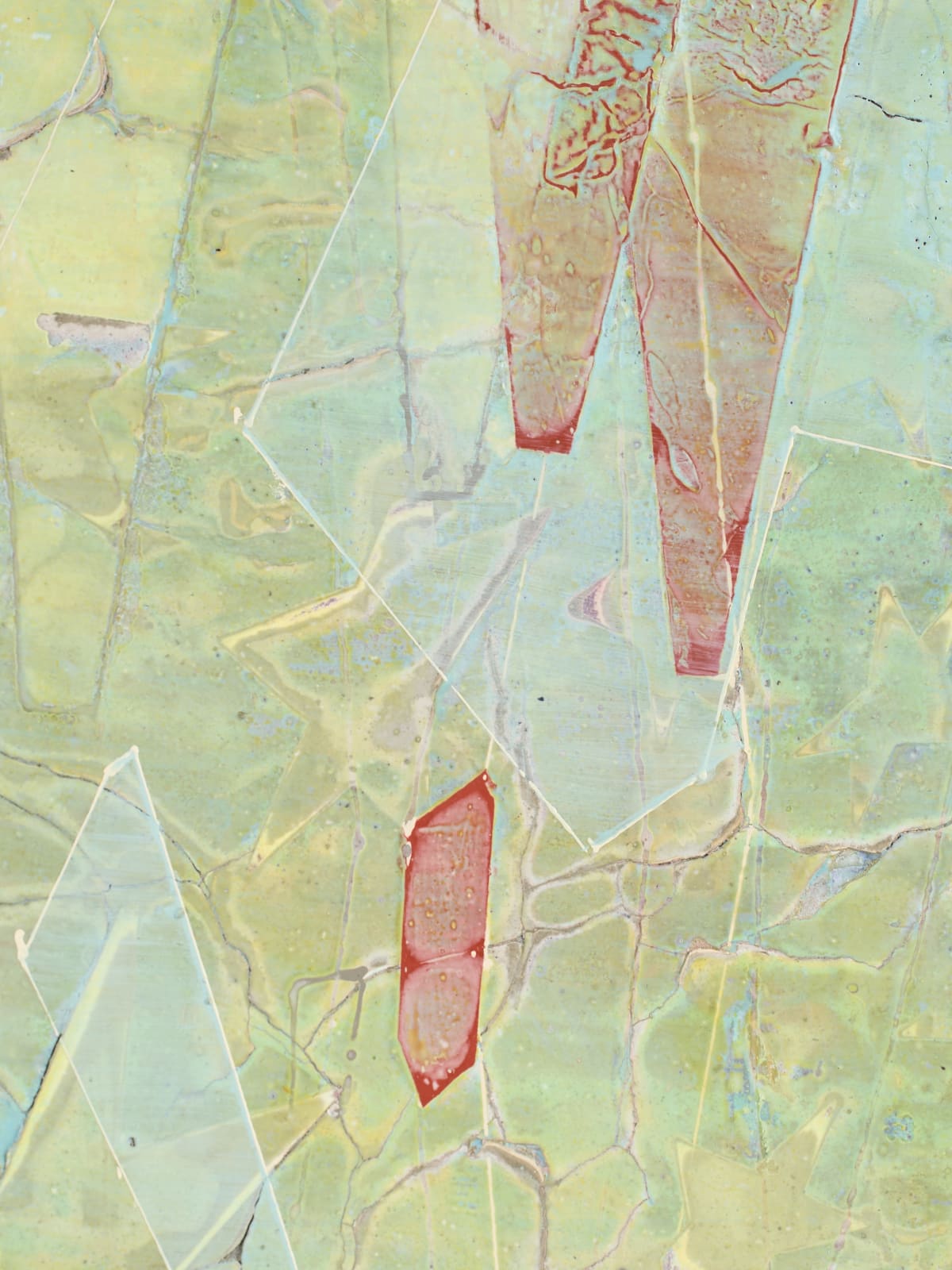
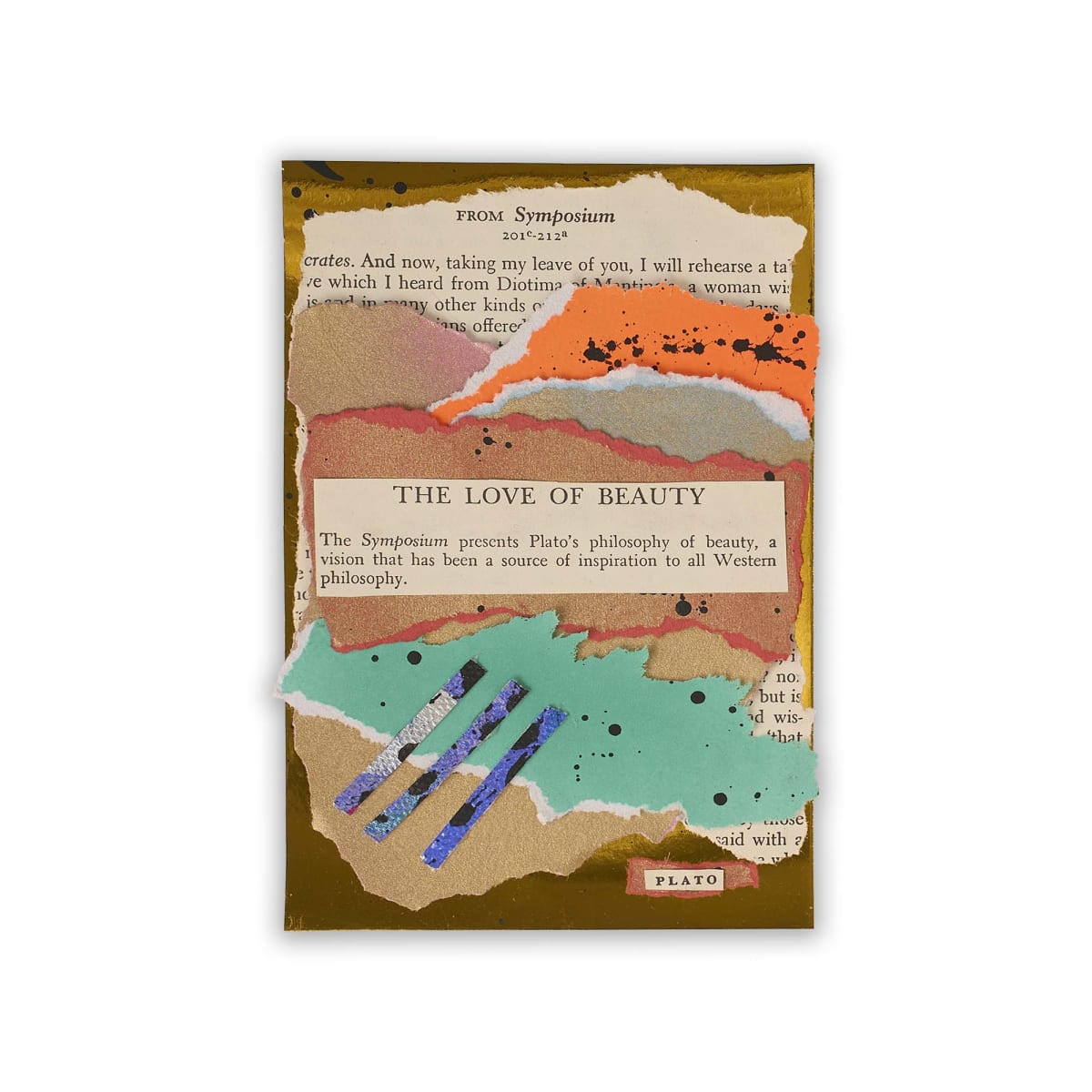
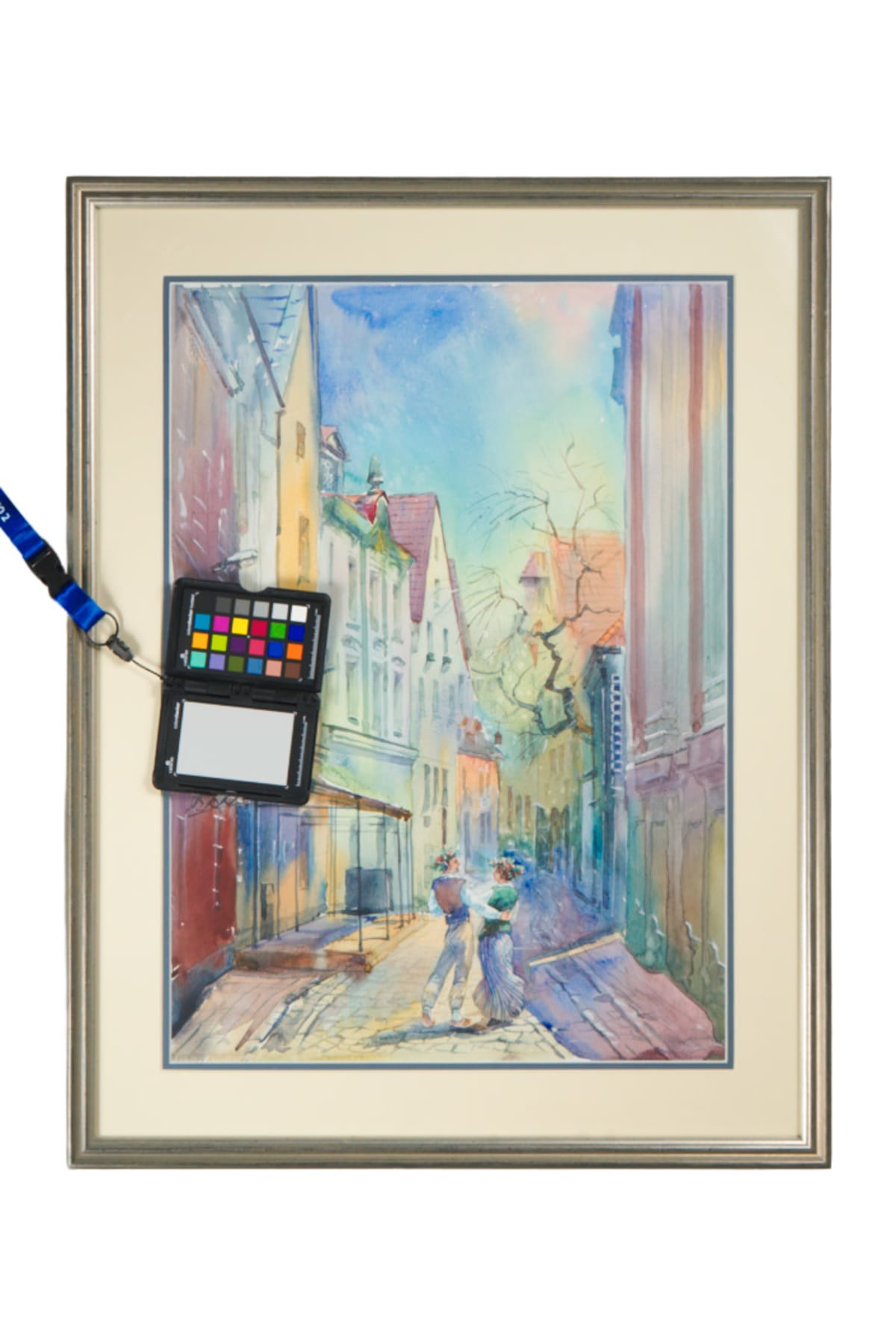
Oil, works on paper, glazed pieces, miniatures — documented for archives, insurance, and estates. All shot by us.


05How it runs
Most of this work happens in private homes, sometimes during a hard season for a family. We work around the household rather than through it — nothing leaves the house, and nothing comes off the wall unless a work asks for it. More on what that looks like: documenting a collection in a private home.
Step 01
We talk through the collection — rough count, which rooms, what’s glazed, and who the files are for. You get one clear number before we book anything.
Step 02
We photograph each work where it hangs, noting dimensions and visible details as we go. One day covers most collections; larger ones get a plan across visits.
Step 03
Named, organized files within ten business days, delivered by cloud link — ready to forward to the appraiser, the attorney, the insurer, or the family.
A rough count, a few phone photos of the rooms, and who the files are for. We’ll reply like humans with one clear number and a date.